
Find the audio upgrades that actually fit your car.
Pick your vehicle and I’ll build you a step-by-step upgrade path — the right signal, speaker sizes, bass, and amp for your exact setup, with the gear I’d actually buy.
Start with your vehicle
Two quick questions and your plan is ready.
This is how I tailor the picks and the budget — no long survey, I promise.
2012 Toyota Camry
Your 2012 Toyota Camry comes equipped with a factory-amplified system across every zone: 6x9-inch front doors with tweeters, rear speakers, and a factory sub. For a full system build at a premium budget doing it yourself, you're doing all of it at once. New head unit first — the replaceable head unit slot is an opportunity to bring in a cleaner source and full aftermarket control. Then front component 6x9s, rear speaker replacements, a proper sub and custom enclosure in the trunk sized to the driver's specs, and aftermarket amplification driving everything. The factory amp gets bypassed. The trunk is a sealed, controlled space that rewards a properly built enclosure — the difference between a box that's just big enough and one that's tuned to the driver is significant. Every zone upgraded, one build.
1 pick isn’t on Amazon — grab it below.
The upgrade path
4 steps · ordered by impact · with DIY difficultyThe 2012 Toyota Camry's single- or double-DIN dash means you have a clean path to a new head unit, and in a full system build it's the right place to start. The new head unit is what provides dedicated preamp outputs for your aftermarket amplifier — bypassing the factory amp and giving every downstream component a clean, uncolored signal to work from. Pick up a vehicle-specific wiring harness and dash kit to make the install clean; brands like Metra, Scosche, and iDatalink cover integration kits that handle wiring, antenna, and steering-wheel controls. Getting the source right is what lets everything else in the system perform as designed.
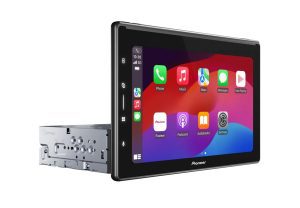
Why it’s the pick: The DMH-WT6000NEX is my big-screen value pick because it puts a current 10.1-inch 1280 by 720 floating display under four figures without gutting the feature list to get there. It…
A full system build starts with speakers, and your 2012 Toyota Camry's layout is purpose-built for a proper front stage: a dedicated tweeter plus 6x9 door woofers up front, and 6x9s in the rear speakers. On a premium budget with a DIY install, do every position now. Up front, a component set — separate woofer and tweeter — goes into the door and the factory tweeter's spot; aim the tweeters toward the listening position for proper imaging. The rear speakers get coaxials to fill out the cabin. The factory amp is in the chain — plan for either bypassing it or feeding the new aftermarket amp a clean line-level signal from it, because the amp step is what ties the whole speaker upgrade together. See the Best Car Speakers by Size guide for the specific picks.
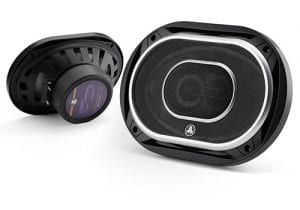
Why it’s the pick: This three-way remains a favorite when I want “hi-fi” sparkle from a coax. JL’s silk dome tweeter + super-tweeter combo gives cymbals and vocals depth without harshness, while the…
A full system build demands that the bass step gets done right. Your 2012 Toyota Camry comes with a factory sub already located in the trunk, so you have a mounting position to work from — the upgrade is to pull the factory driver, drop in a proper aftermarket sub sized to fit that space, and build a custom enclosure around it. Don't reach for an all-in-one powered unit here; at this budget, a dedicated subwoofer in a box tuned to its specs is the right call. The factory amp is in the signal chain, so before you can drive any of this with clean power, you'll need to extract a line-level signal — an integration adapter or LOC gives your new amplifier a proper input and gets the factory amp out of the way.
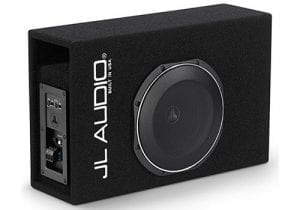
Why it’s the pick: Built in JL’s Florida facility, this system’s V-Groove MDF box, flared slot port, and TW1 low-clearance driver with concentric-tube suspension produce big-system bass from a compa…
A full system build in the 2012 Toyota Camry demands proper amplification, and the factory amp isn't it. Replacing it with an aftermarket amp — or a dedicated amp setup — is what gives every speaker and the subwoofer the clean, headroom-rich power they need to perform. Your new head unit's preamp outputs feed the amp directly, bypassing the factory amp entirely. Size the amp to what you're driving: one channel per speaker, plus a mono channel for the sub. Depending on power targets, that might be a single multi-channel amp or separate amplifiers for speakers and sub. Proper gain structure and tunable crossovers are what let the front stage, rear fill, and sub each operate in their own range without stepping on each other.
2012 Toyota Camry audio — common questions
What size speakers fit a 2012 Toyota Camry?
The 2012 Toyota Camry uses 6×9 + tweeter front speakers and 6×9 rear speakers.
Does the 2012 Toyota Camry have a factory amplifier?
Yes — the 2012 Toyota Camry runs a factory-amplified system, so a new receiver or speakers need an integration adapter / line-output converter to get a clean signal. Most builds keep that amp and spend on better speakers first.
What is the best subwoofer setup for a 2012 Toyota Camry?
There is already a factory sub location to work with. For the trunk, an all-in-one powered sub is the easiest big win; a slim/shallow sub keeps more trunk space, and a component sub + box delivers the most output.
What head unit fits a 2012 Toyota Camry?
The 2012 Toyota Camry has a Single/Double DIN head unit (Replaceable — direct swap), so a matching aftermarket receiver fits with the correct dash kit and harness.
Everything on CarAudioNow for your 2012 Toyota Camry
Fitment is a guide, not a guarantee. Speaker sizes and fit details are based on your selected year, make, model, and audio package and can vary by trim, options, and prior modifications — always confirm before buying.
Your plan is guidance built from your selections (vehicle, goal, budget), not a guarantee of fit, sound, or results, and not a substitute for professional installation advice. Prices are pulled from retailers and may change at checkout.
CarAudioNow is reader-supported — some links are affiliate links and we may earn a commission at no extra cost to you. See our FTC disclosure and privacy policy.