
Best Car Amplifiers (Tested) – 2026 Buyer’s Guide
The amplifier is the heart of your car’s stereo — it feeds clean, stable power to your speakers and subwoofer so they actually perform. I’ve grouped my picks by what readers ask for most, and each is a series: I stand behind the line, and you choose the channel configuration your build needs. New to amps? Start with how to choose the right amplifier.

Why I built this guide
The amp is the part beginners skip and experienced installers obsess over, because it decides whether everything else in the system actually performs. I’ve set gains on more amplifiers than I can count, and the failures were almost always the same: chasing peak-watt numbers, under-powering speakers, or cranking the gains to make up for it — the fastest way to cook a speaker.
So I group these picks by what readers ask for most — a clean four-channel, a do-it-all five-channel, a dedicated sub amp — and show each as a series so you can pick the channel configuration your build needs. Match real RMS power to your speakers and subs, wire it right, and a good amp is the single biggest upgrade you can make.
Compare my 6 amplifier picks
| Best for ↕ | My pick ↕ | Channels | Onboard DSP ↕ | Top Power ↕ | Rating ↕ | Buy |
|---|---|---|---|---|---|---|
| Best All-Around | 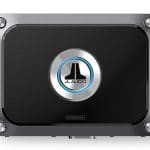 JL Audio VXi JL Audio VXi | 1-ch (Mono) · 400W1-ch (Mono) · 600W2-ch · 180W×24-ch · 75W×45-ch · 75×4 + 1805-ch · 75×4 + 4006-ch · 75W×68-ch · 75W×8 | Yes (TüN™) | 600W×1 / 75W×8 | From $1,049.99 on Crutchfield | |
| Best Built-In DSP | 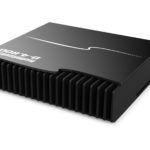 AudioControl D-Series AudioControl D-Series | 4-ch · 125W×45-ch · 100×4 + 3006-ch · 125W×6 | Yes | 100×4 + 300×1 | From $645.00 on Amazon | |
| Best High-Res | 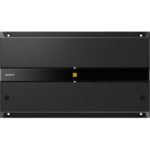 Sony Mobile ES Amplifiers Sony Mobile ES Amplifiers | 1-ch (Mono) · 600W4-ch · 100W×45-ch · 100×4 + 450 | No | 100×4 + 450×1 | From $398.00 on Crutchfield | |
| Best Compact & Slim | 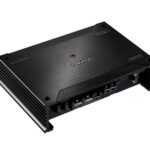 Kenwood Excelon X Kenwood Excelon X | 1-ch (Mono) · 300W4-ch · 50W×45-ch · 50×4 + 300 | No | 50×4 + 300×1 | From $349.00 on Amazon | |
| Best Subwoofer Amp |  Hifonics ZRX (Zeus) Hifonics ZRX (Zeus) | 1-ch (Mono) · 200W1-ch (Mono) · 500W1-ch (Mono) · 500W1-ch (Mono) · 800W4-ch · 250W×44-ch · 60W×44-ch · 75W×4 | No | 800W×1 (Zeus) | From $158.99 on Amazon | |
| Best Factory/OEM Upgrade |  Kenwood Excelon P-XR600-6DSP Kenwood Excelon P-XR600-6DSP | 6-ch OEM DSP | Yes (6-ch) | 6-ch OEM-replacement | Buy Now $579.00 on Amazon |
CarAudioNow may earn a commission from retailer links. Brands do not influence the recommendations.
How we pick amplifiers
I weigh usable power per chassis size, build/material quality, thermal behavior in tight installs, noise in real vehicles, and the features you’ll actually use — then group picks by the use cases readers ask about most.
Peak-watt stickers aren’t continuous (RMS) power. We judge clean, stable RMS at the impedance you’ll actually wire — under-powering causes thin, distorted sound and blown speakers.
High-level inputs, signal summing, signal-sensing turn-on and onboard DSP decide how cleanly an amp drops into a factory or aftermarket system.
Usable power per chassis size and predictable thermal behavior in tight, low-airflow installs matter as much as watts.
All-around, built-in DSP, high-res, compact, sub amp, OEM upgrade — we pick the best line for each so you can match it to your build.
Questions that decide your amp
- How many channels do you need? Mono for a sub; 4-channel for front + rear or front + sub (bridged); 5/6-channel to run a full front stage and a sub from one chassis. That’s the variant you pick inside each series below.
- RMS, not peak. Match RMS power and impedance to your speakers and subs — peak-watt stickers don’t count. Under-powering and cranked gains are how you blow a speaker.
- Keeping the factory system? Prioritize high-level inputs, summing and signal-sensing turn-on — or an OEM-replacement DSP amp. A clean signal path beats raw watts every time.
- Set gains the right way. Use a repeatable method (a meter or DD-1), then double-check fusing and grounds. See my DD-1 gain walkthrough and amp tuning quick guide.
My recommended car amplifiers
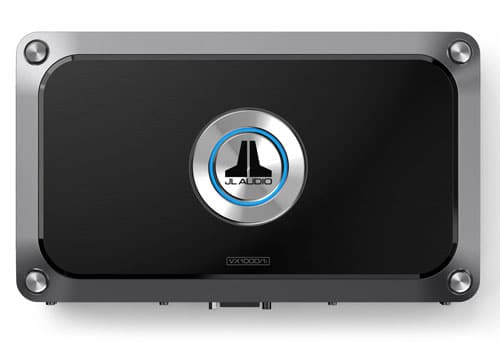
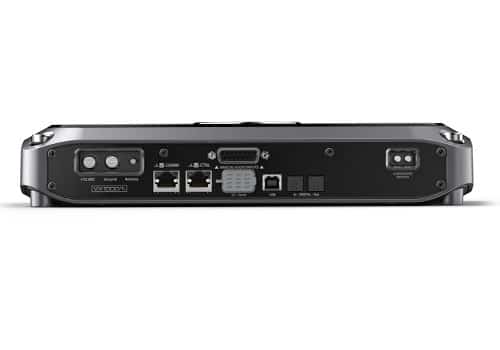
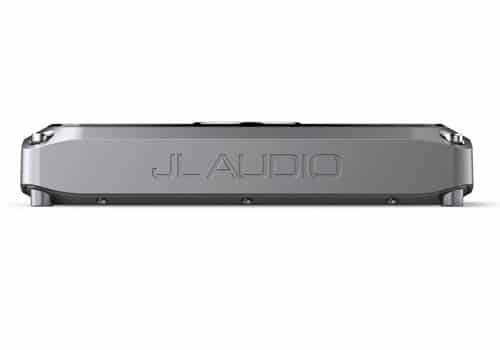
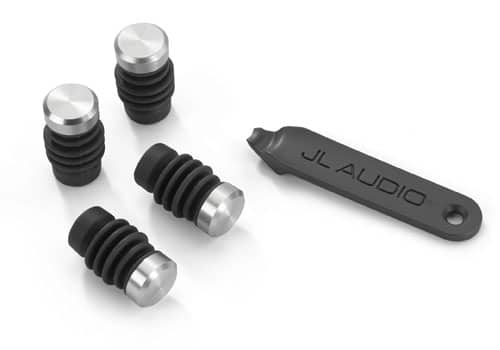
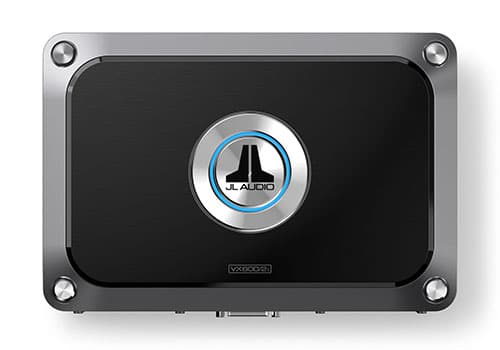
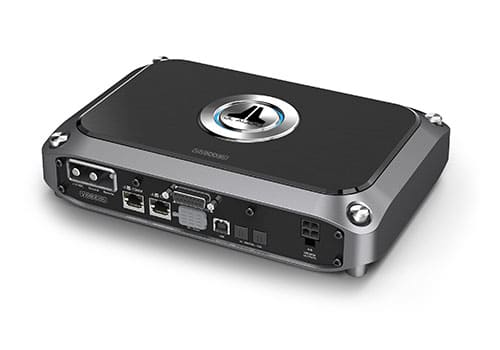
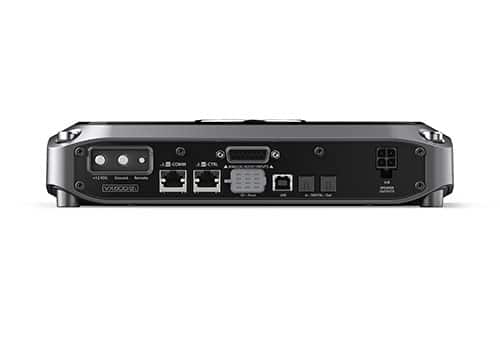
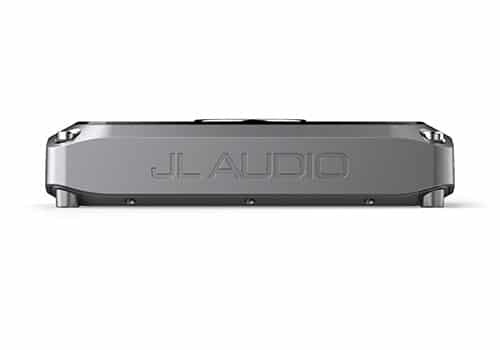
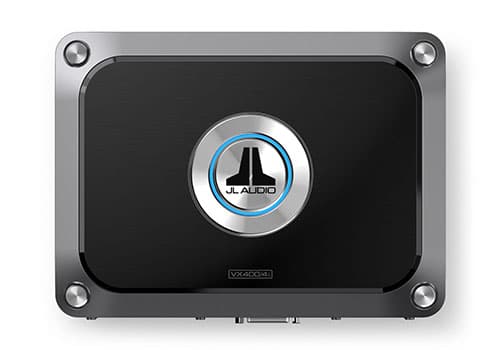
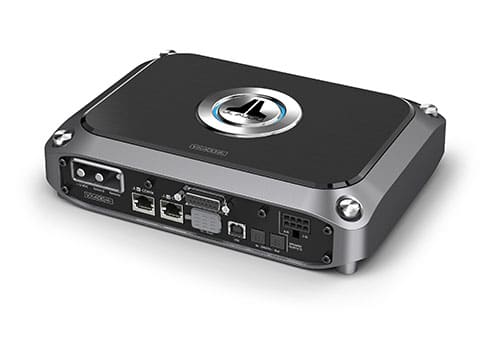
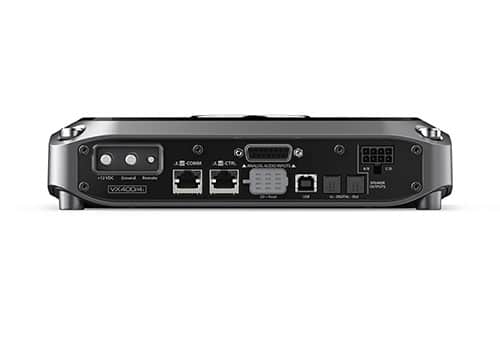
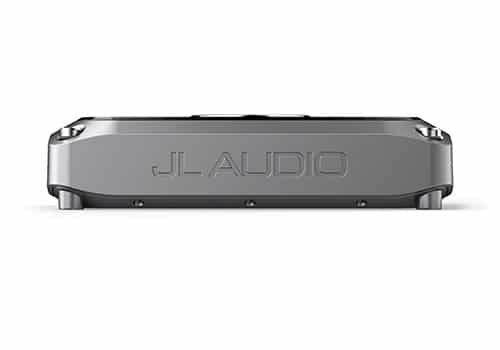
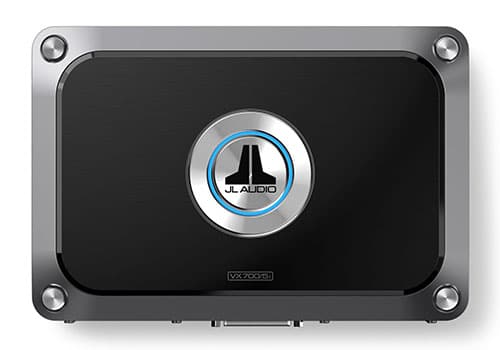
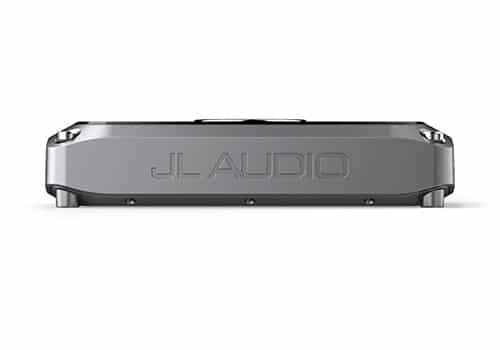
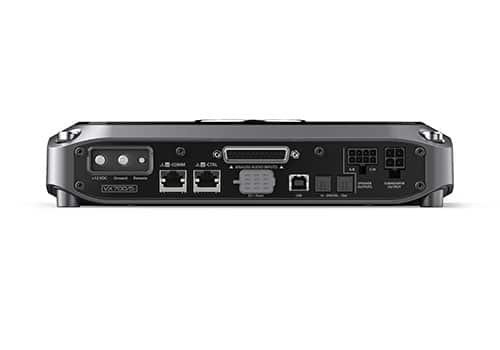

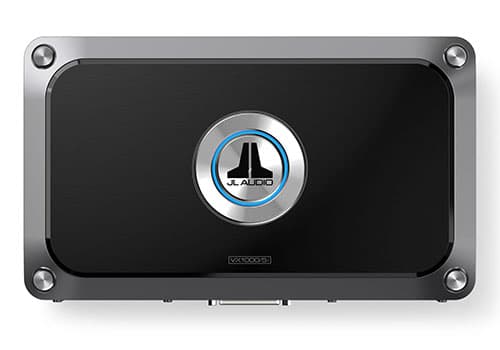
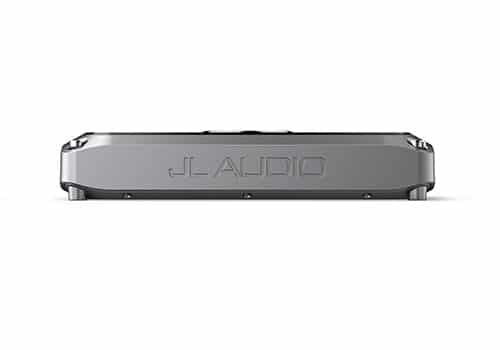
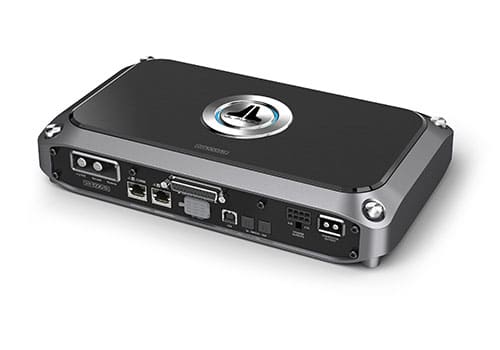
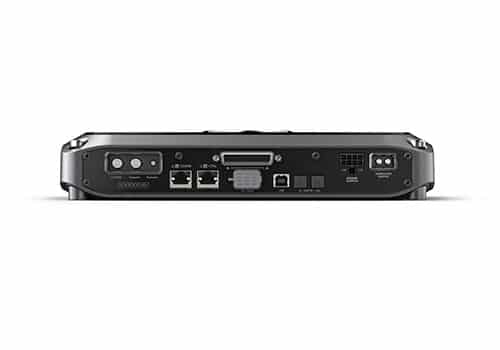
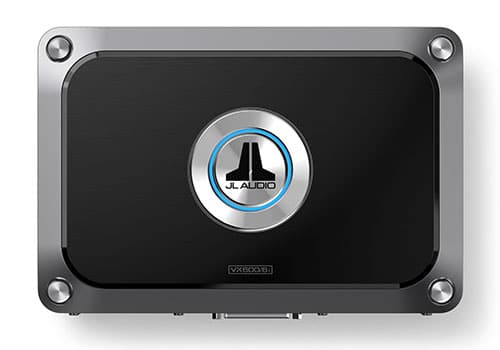
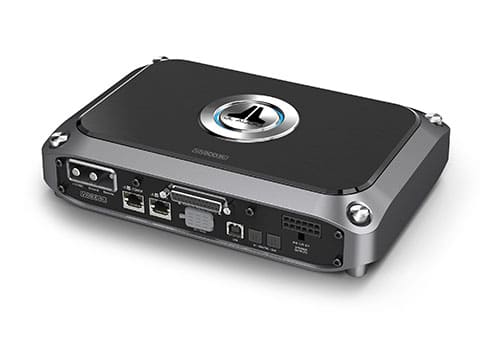
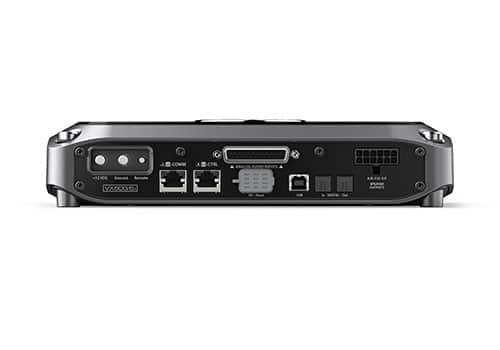
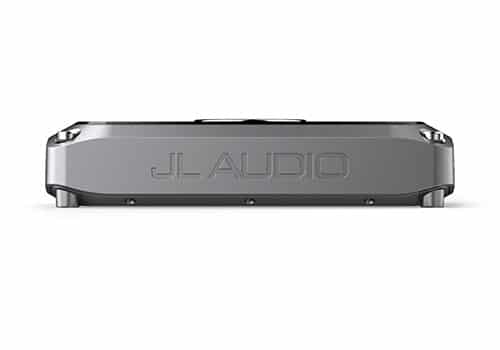
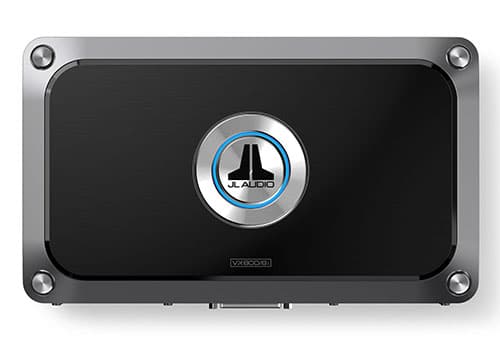
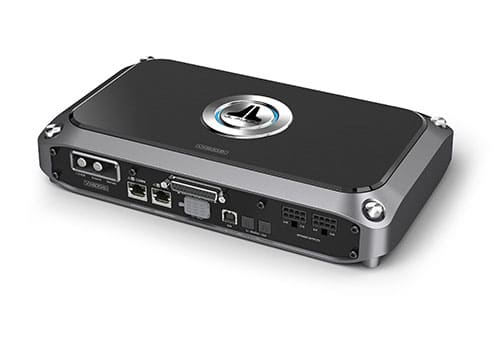
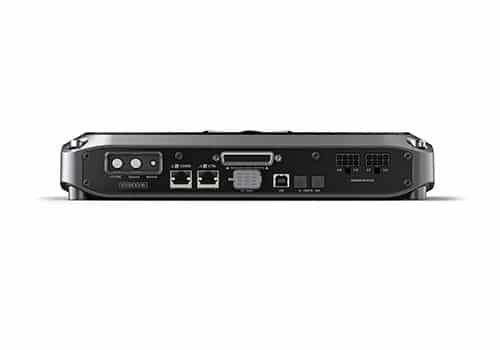
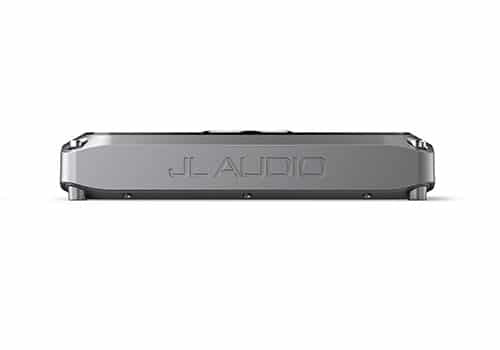
JL Audio VXi
NexD2 Class-D amp line with onboard DSP · 1–8 channel
CarAudioNow may earn a commission from retailer links. Brands do not influence the recommendations.
Why I picked it
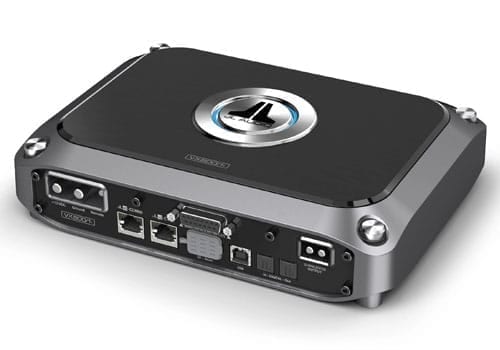
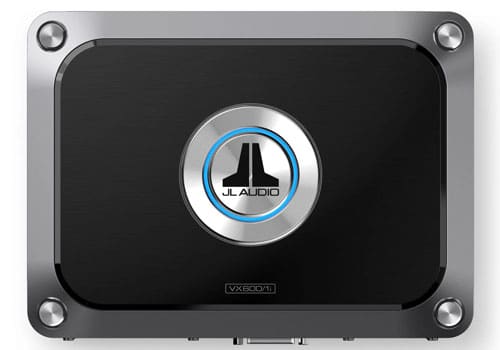
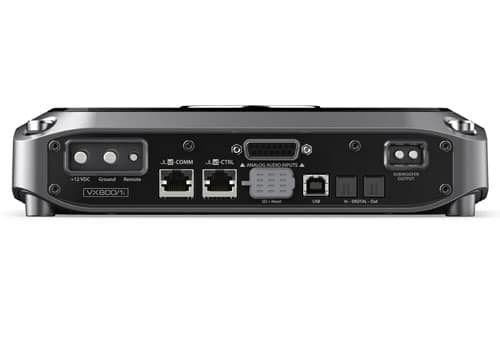
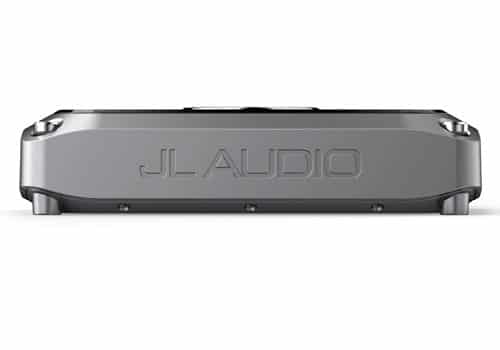
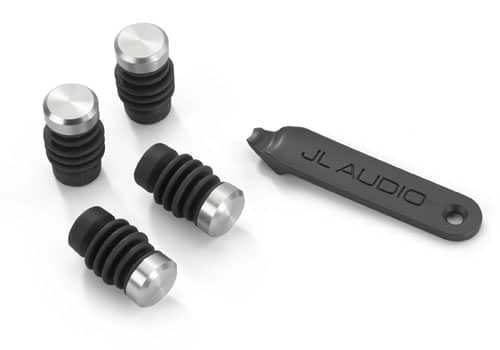
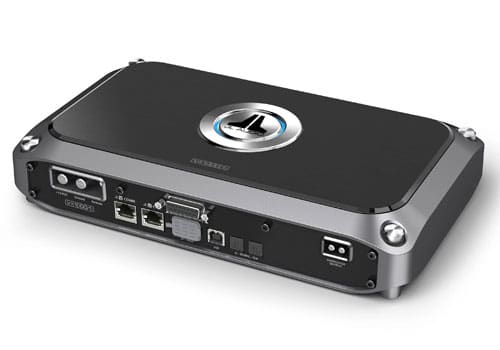
VXi gives pro-grade tuning without extra boxes. JL’s NexD2 Class-D platform is efficient and quiet, and the integrated DSP plus TüN™ software can run active fronts and a sub from one chassis with per-channel EQ, time alignment and flexible crossovers — it’s impressive. The amps turn on/off cleanly, deal with heat gracefully, and integrate well with factory sources. If you want top-tier control and sound quality from a single amp, this is it.
Tip: save multiple TüN™ profiles (“daily,” “SQ,” “demo”) so you can switch quickly after break-in or speaker changes. For deeper details, see my VXi amplifier overview.
| Make | JL Audio |
| Model | VXi |
| Class | Class-D (NexD2) |
| Onboard DSP | Yes (TüN™) |
| Top Power | 600W×1 / 75W×8 |
| Channels offered | Mono–8-ch |
Reasons to buy
- NexD2 Class-D: efficient, quiet, cool in tight installs
- Onboard DSP + TüN™ wireless tuning — active fronts + sub from one chassis
- Clean turn-on/off and graceful thermal behavior
- Channel options from mono all the way to 8-channel
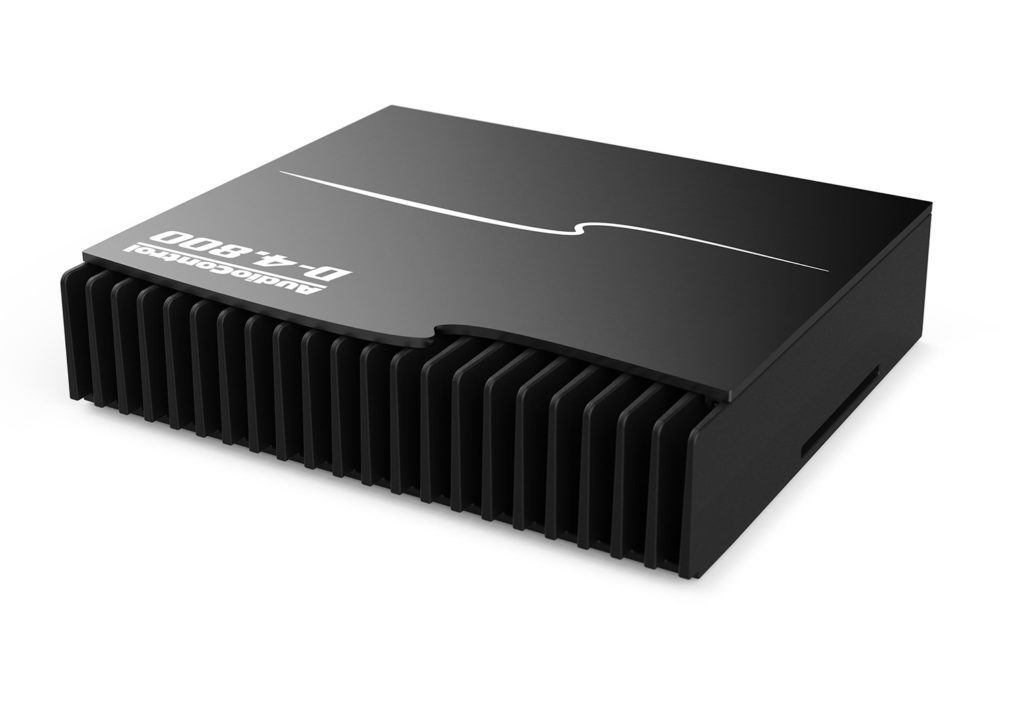
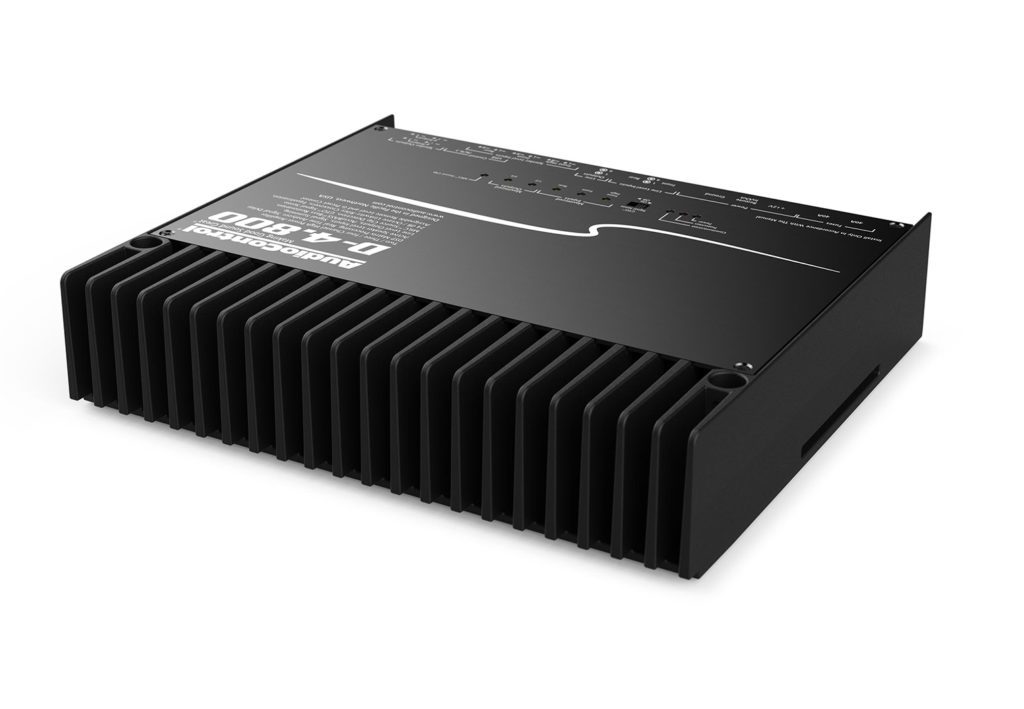
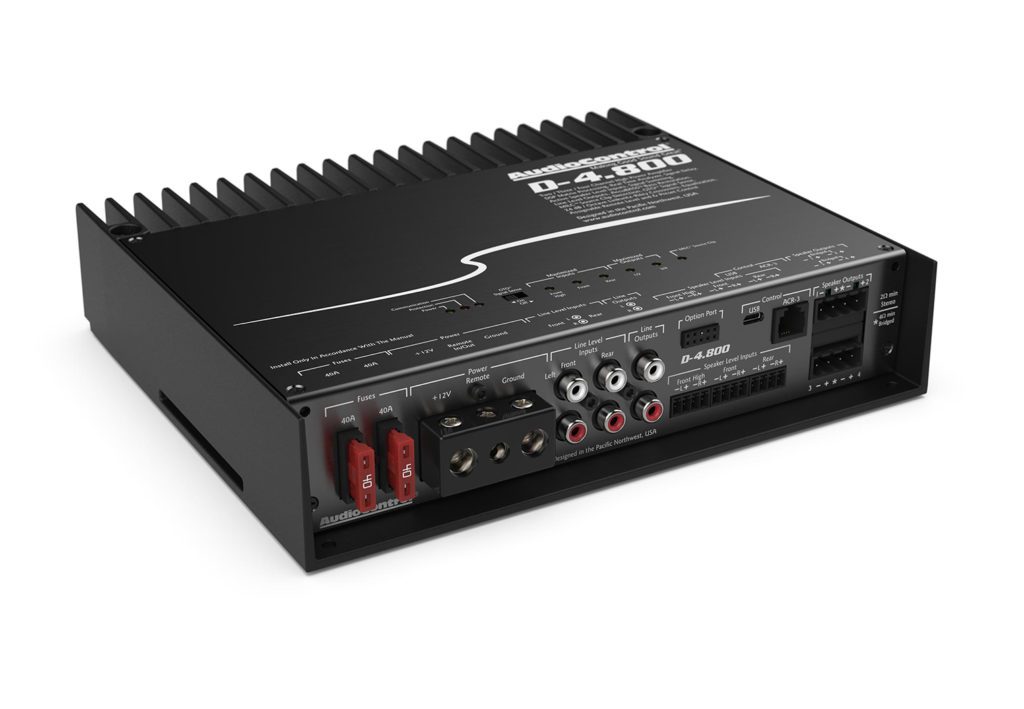
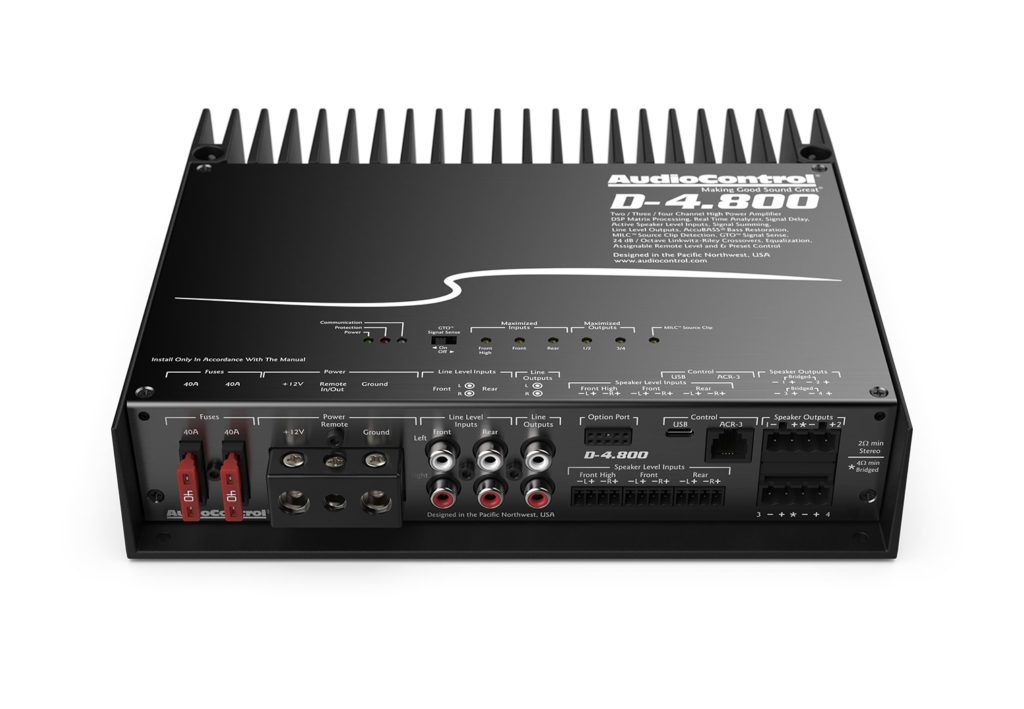
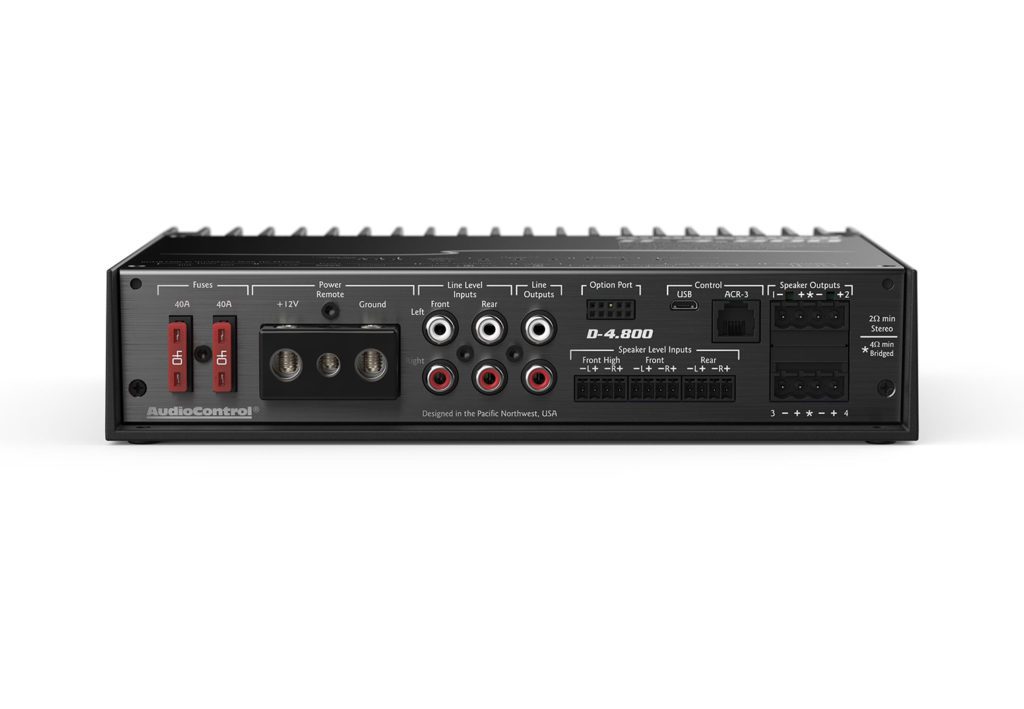
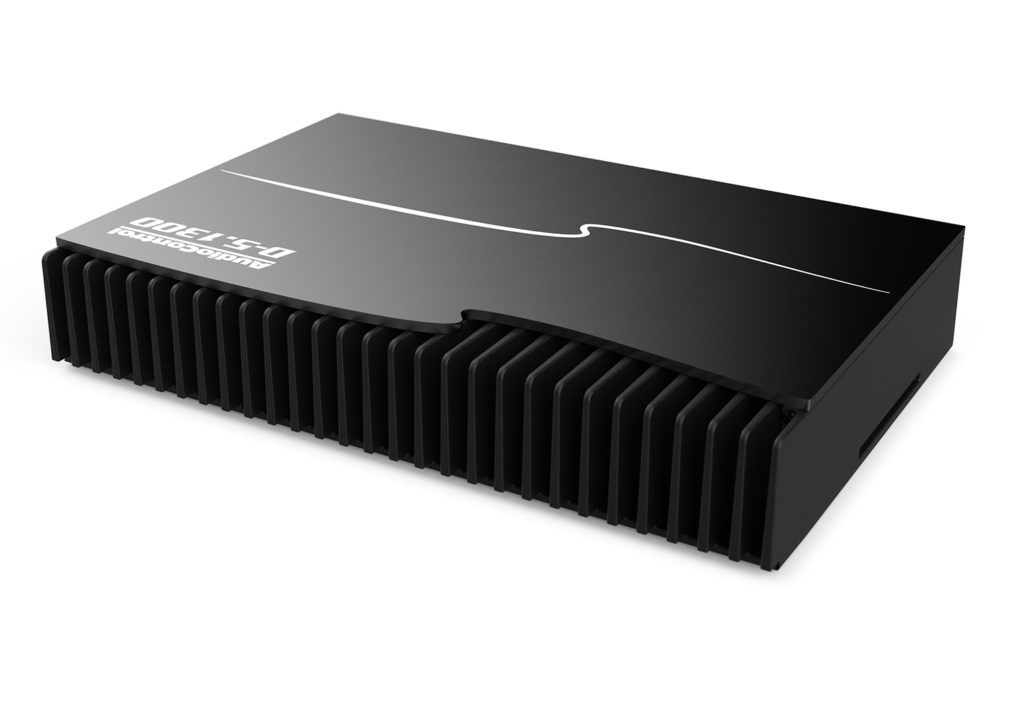
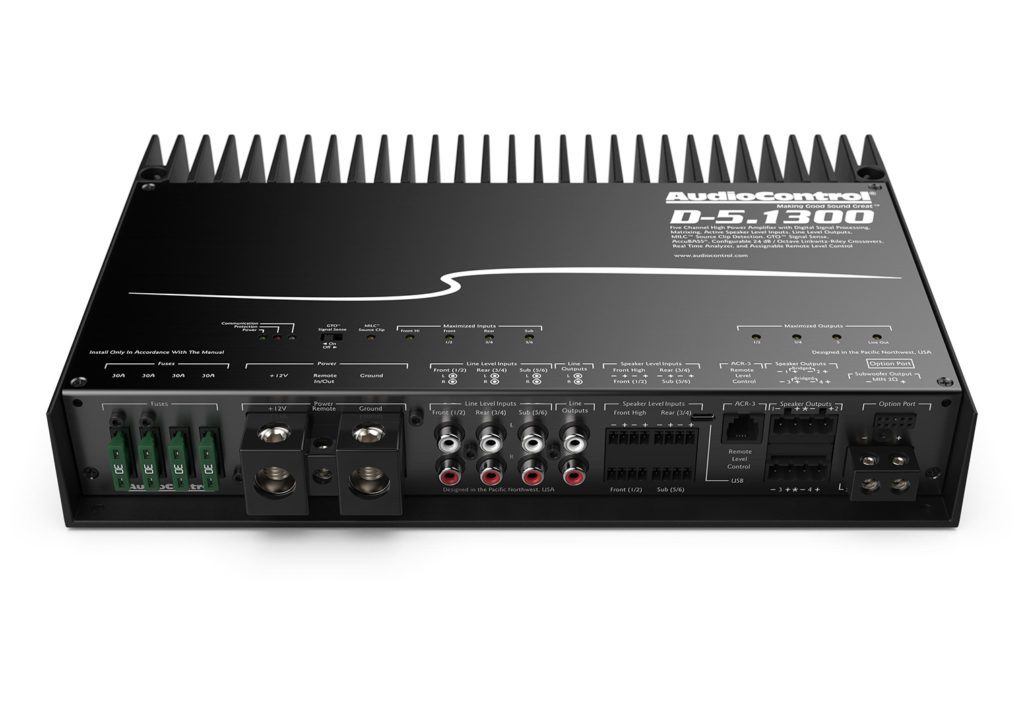
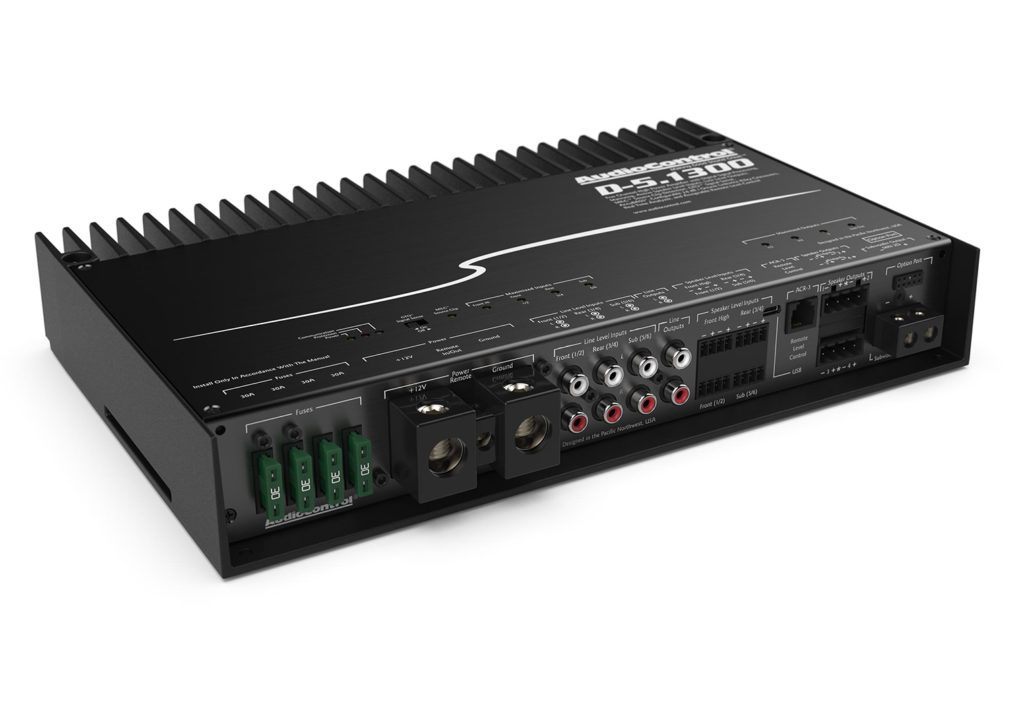
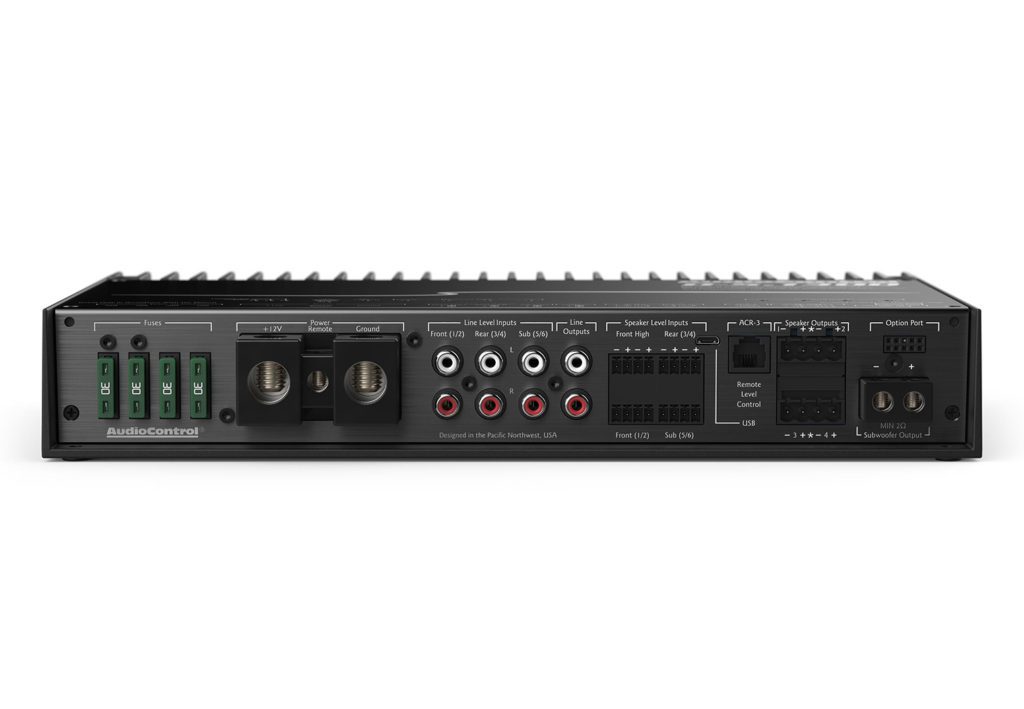
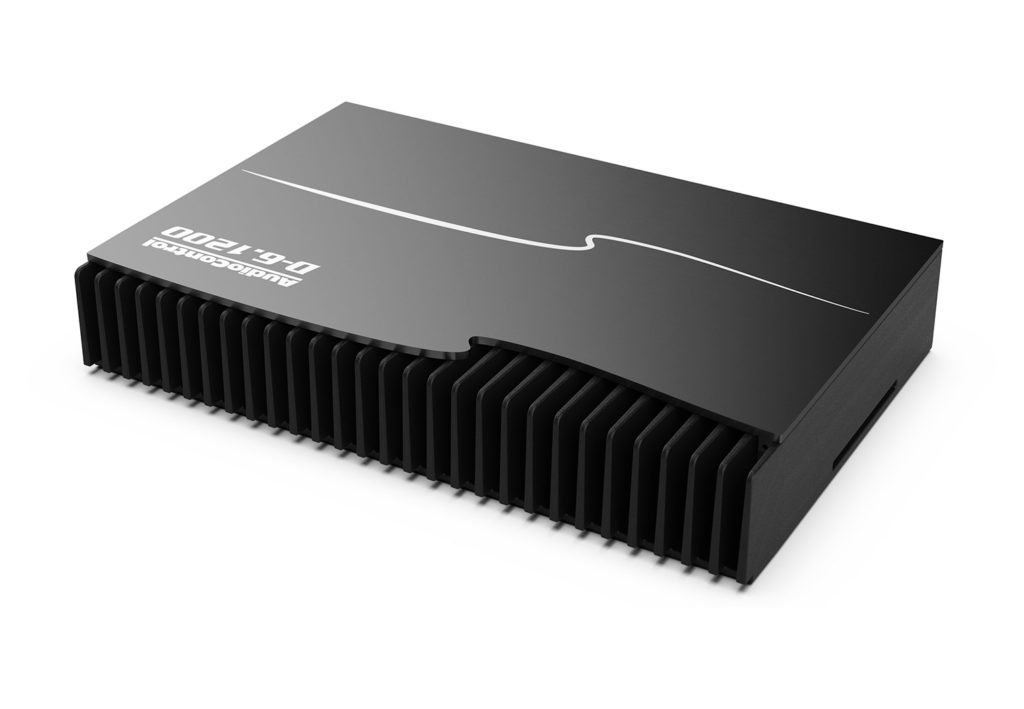
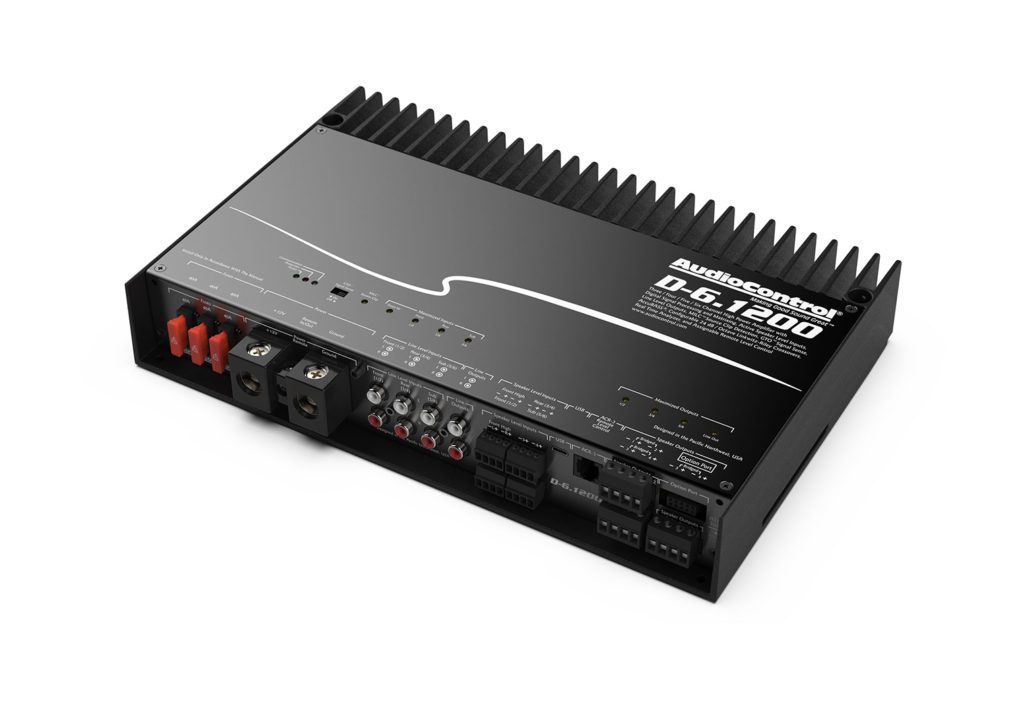
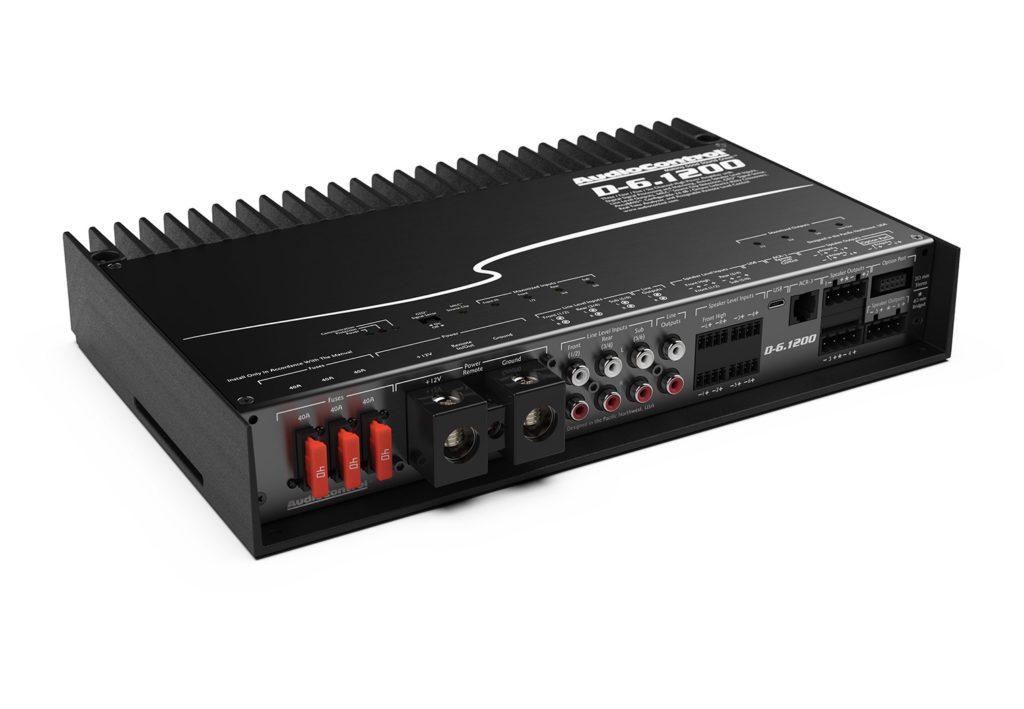
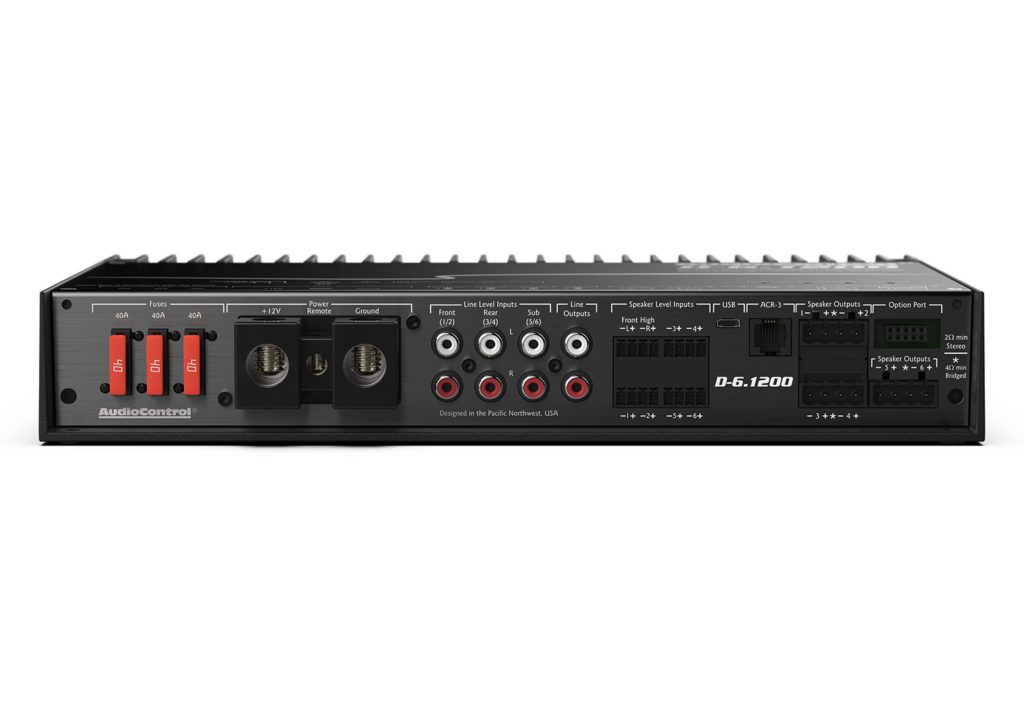
AudioControl D-Series
OEM-friendly amp line with onboard DSP · 4–6 channel
CarAudioNow may earn a commission from retailer links. Brands do not influence the recommendations.
Why I picked it
If you’re keeping the factory head unit or a factory-amplified system, the D-Series makes life easy. Active speaker-level inputs and signal summing handle odd factory crossovers, GTO™ signal-sensing turn-on reduces the need for a remote lead, and AccuBASS™ restores low end if the OEM source rolls it off at higher volume. The software is straightforward — great for a first DSP experience — yet gives me the control I need for daily SQ: time alignment, flexible crossovers, parametric EQ, and saveable profiles.
To nail the setup, I always set gains with a meter or detector before touching EQ — here’s my SMD DD-1 gain-setting walkthrough. For an OEM-integrated example with the same process, see my F-150 installation & tuning.
| Make | AudioControl |
| Model | D-Series |
| Class | Class-D |
| Onboard DSP | Yes |
| Top Power | 100×4 + 300×1 |
| Channels offered | 4–6-ch |
Reasons to buy
- OEM-friendly: high-level inputs, summing, AccuBASS™ and GTO™ cover most factory systems
- Beginner-friendly DSP workflow with the right controls for daily SQ
- Channel options that make full front stage + sub builds practical
Reasons not to buy
- Software UI is practical, not flashy — fewer “advanced” filters than high-end standalone DSPs
- Chassis isn’t as tiny as minimalist non-DSP amps if space is ultra-tight
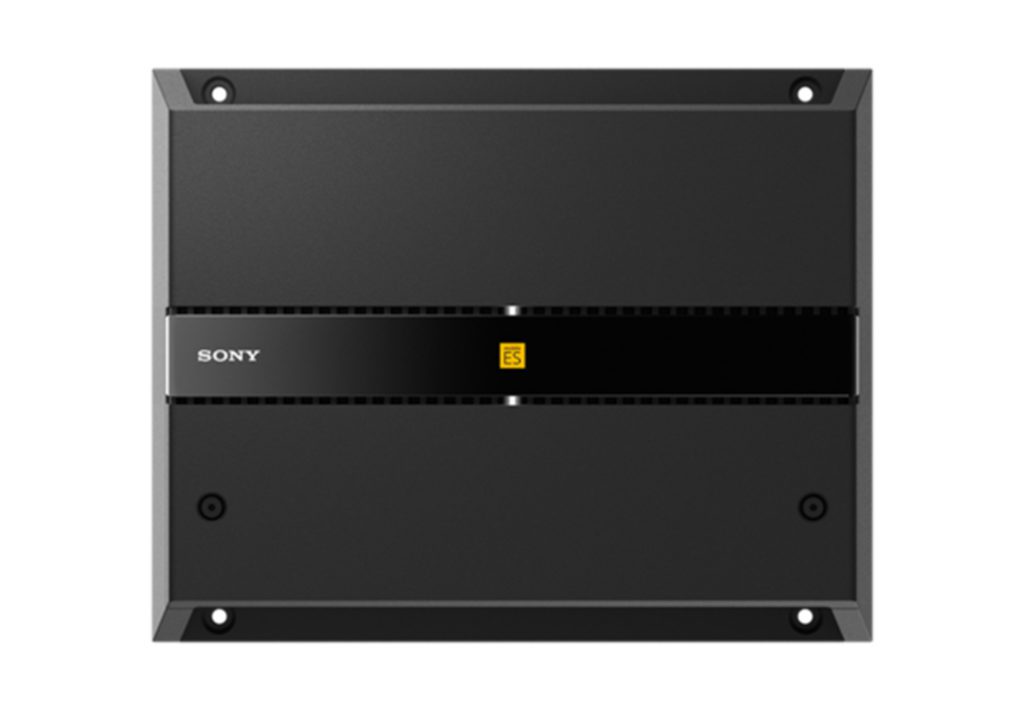
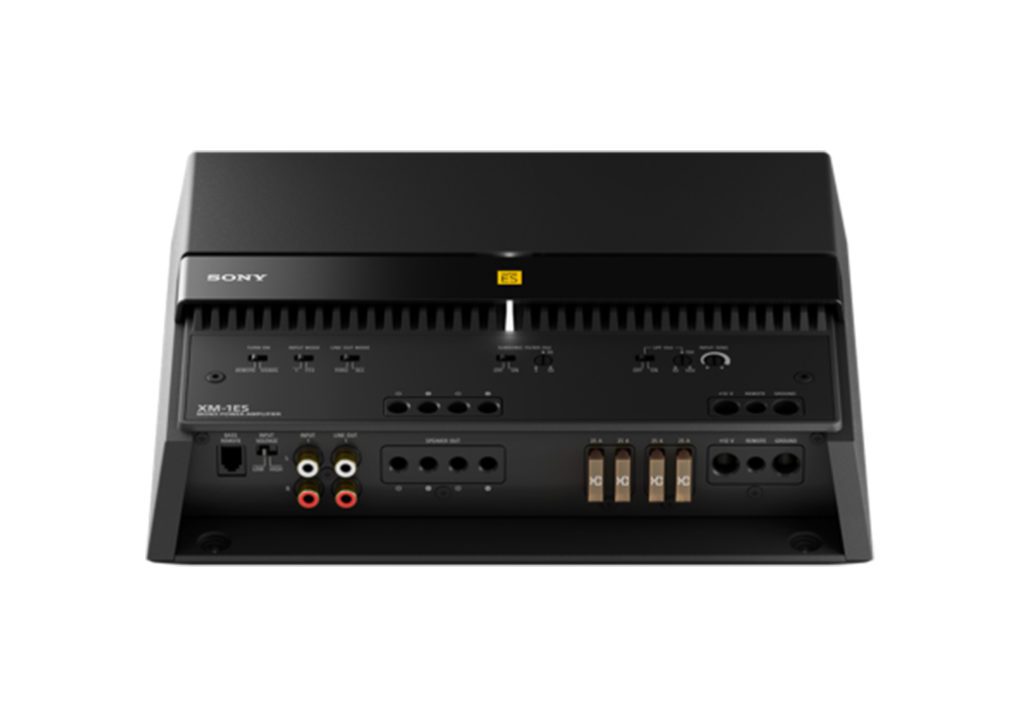
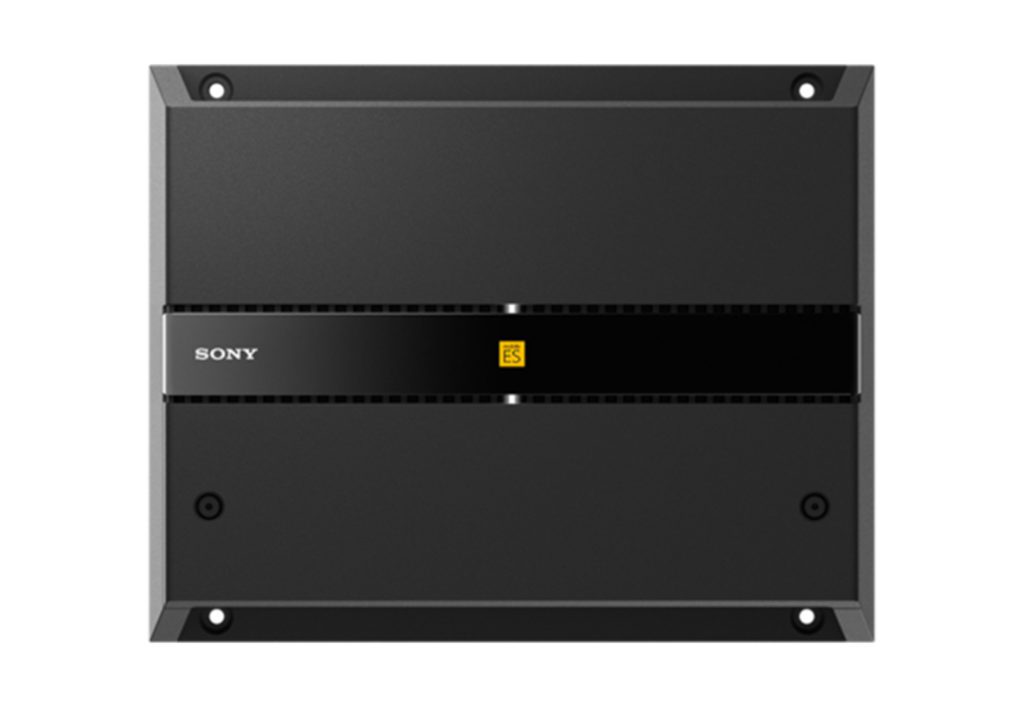
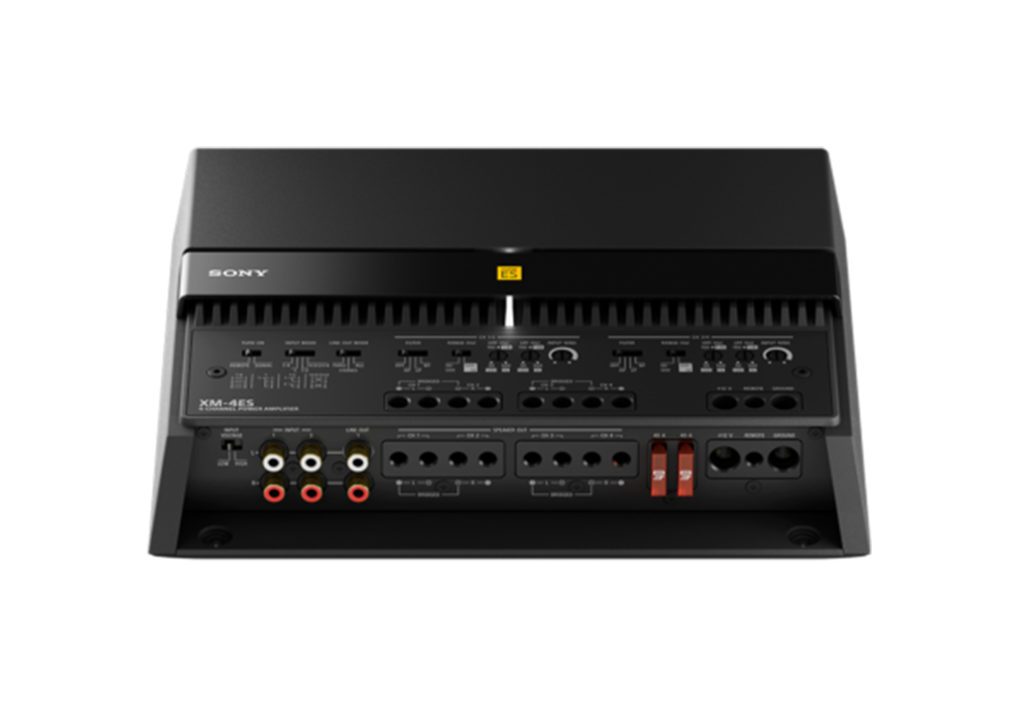
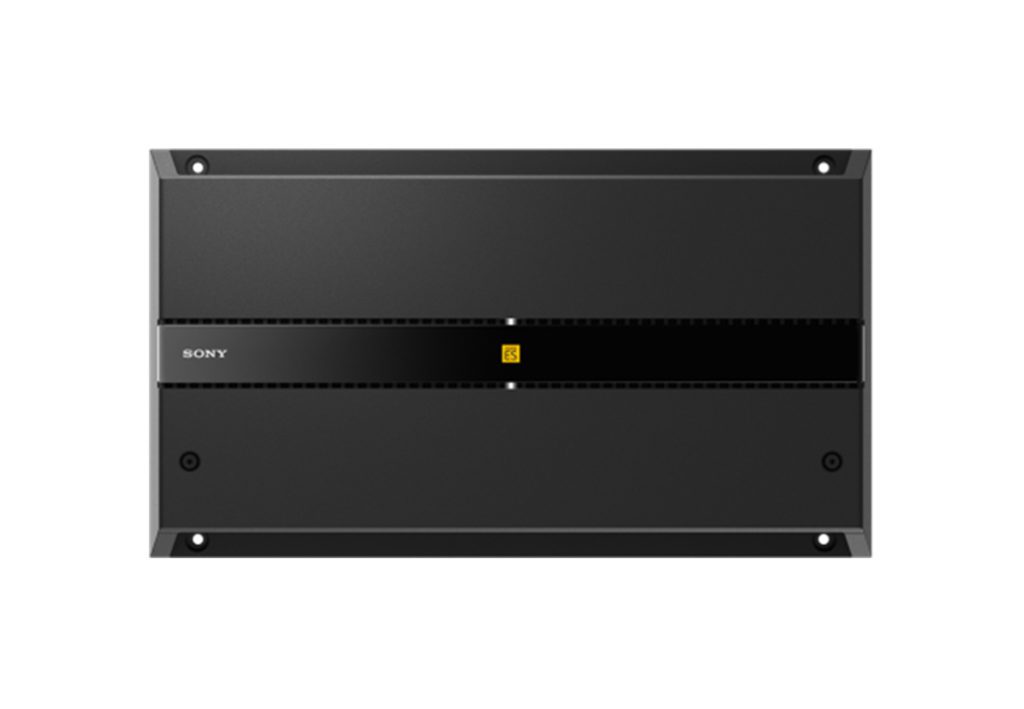
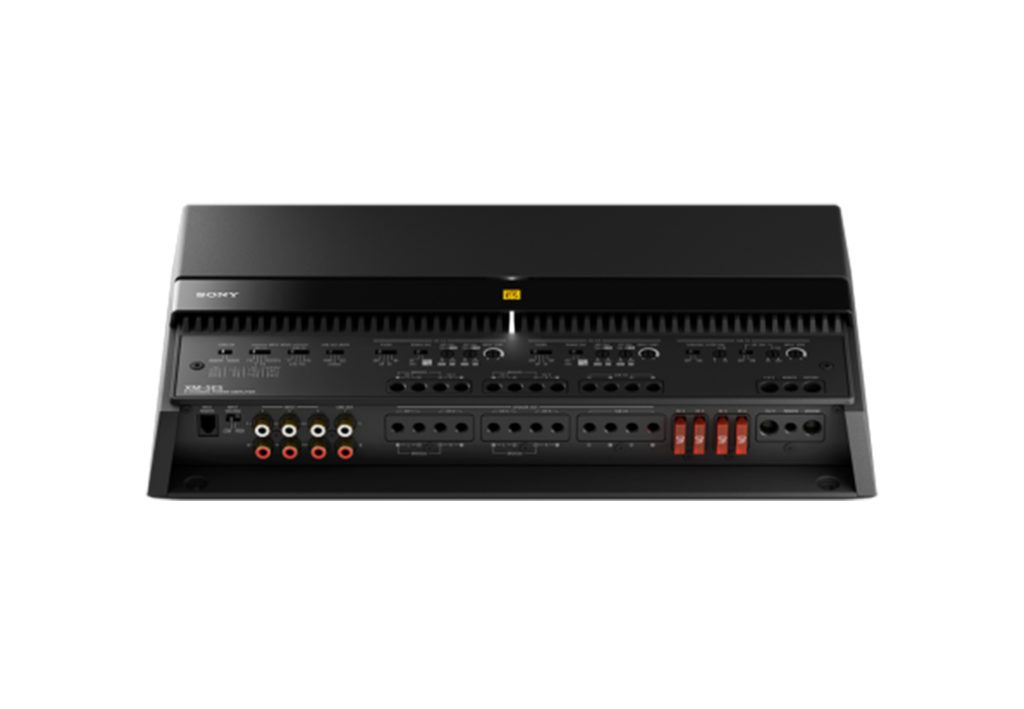
Sony Mobile ES Amplifiers
Refined wide-band Class-D, low noise floor · 1–5 channel
CarAudioNow may earn a commission from retailer links. Brands do not influence the recommendations.
Why I picked it
Mobile ES amps are built like little vaults and deliver clean, wide-band Class-D power with a thoughtful control layout. You don’t get onboard DSP, but Sony gives you flexible input modes, summing and well-spaced filters, which makes dialing in an active or bi-amped front stage straightforward when the rest of your chain is up to it. I run them in my personal vehicle.
I unboxed and tested these — see my Mobile ES amplifier review and the XM-6ES/XM-8ES hands-on for measurements, layout and real-world notes. Practical tip: plan your filter targets and gains before you start, then land your crossover points before you chase EQ tweaks.
| Make | Sony |
| Model | Mobile ES (XM-…ES) |
| Class | Class-D |
| Onboard DSP | No |
| Top Power | 100×4 + 450×1 |
| Channels offered | Mono–5-ch |
Reasons to buy
- Excellent detail retrieval and dynamics with quality sources & treated doors
- Logical, clearly-labeled controls; easier to dial in than many feature-heavy chassis
- Strong reliability from my testing and community feedback
Reasons not to buy
- No onboard DSP — add a processor for time alignment and advanced EQ
- Footprints aren’t the smallest if mounting space is ultra-tight
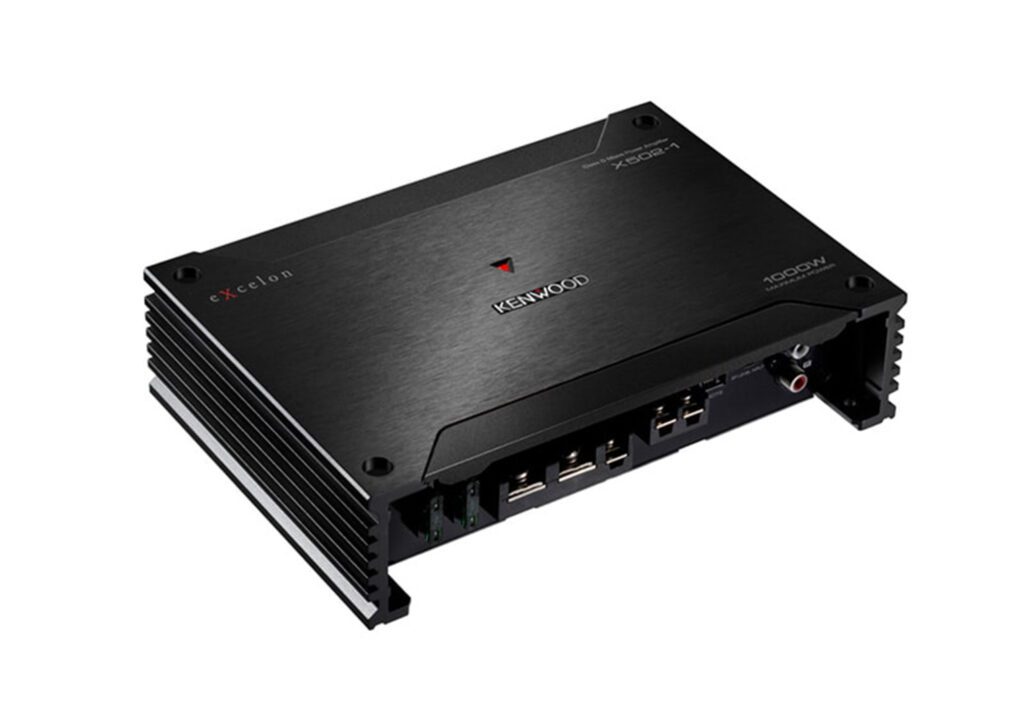
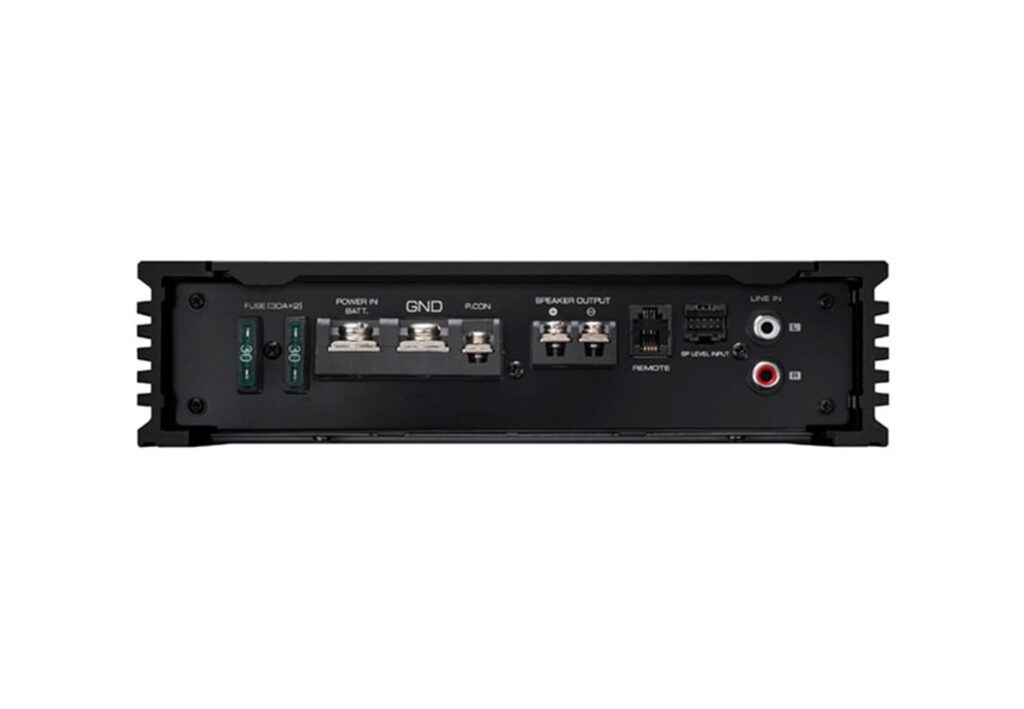
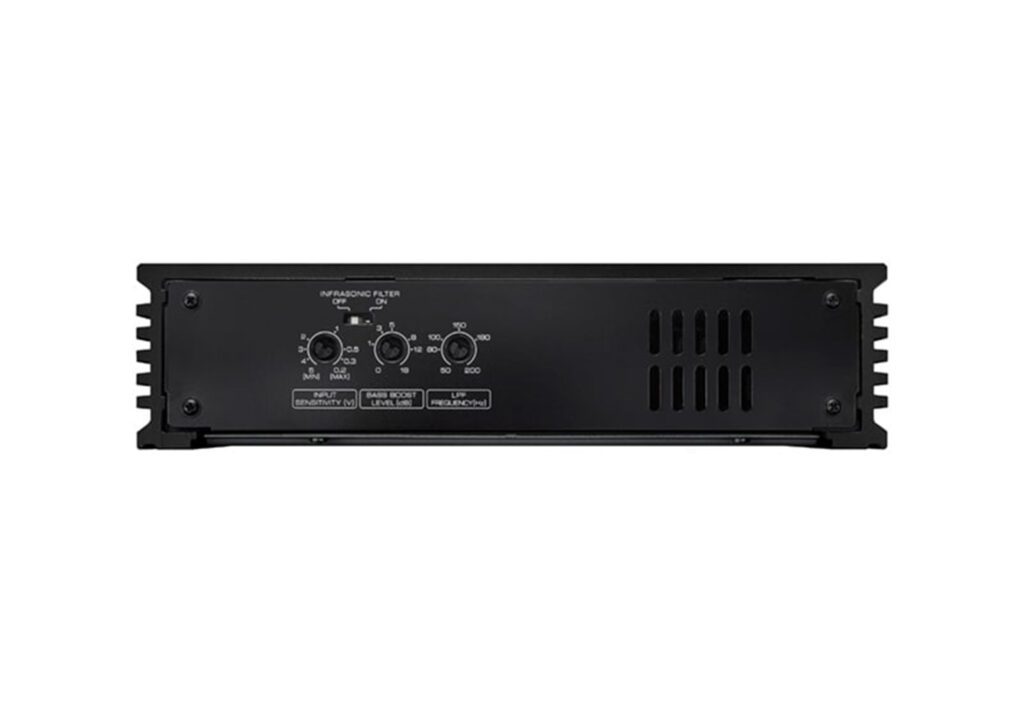
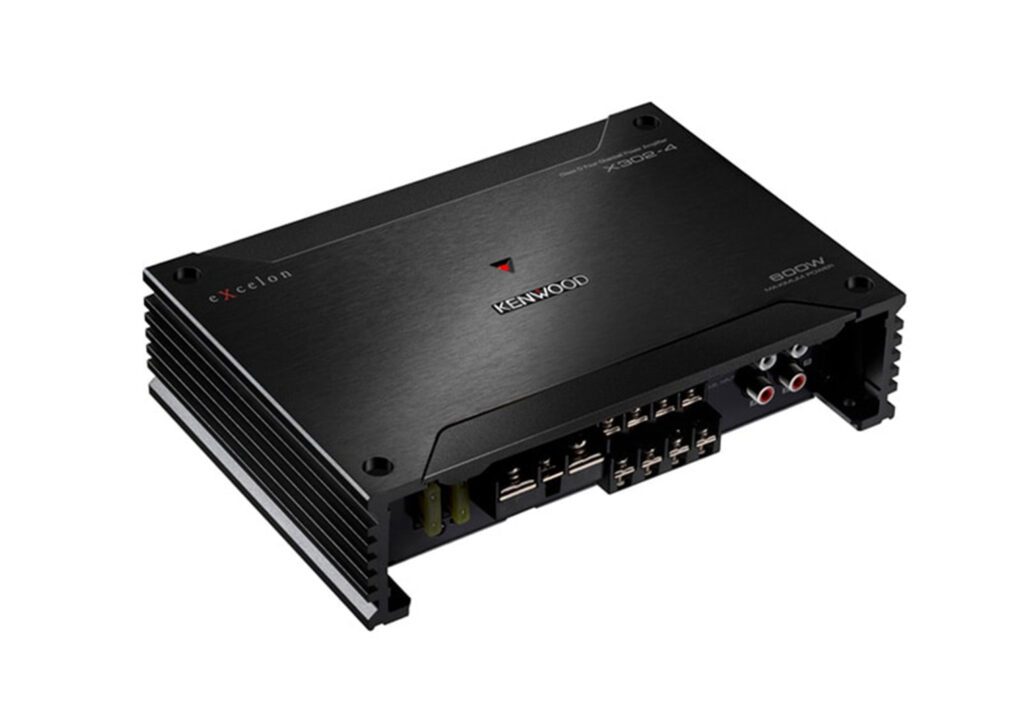
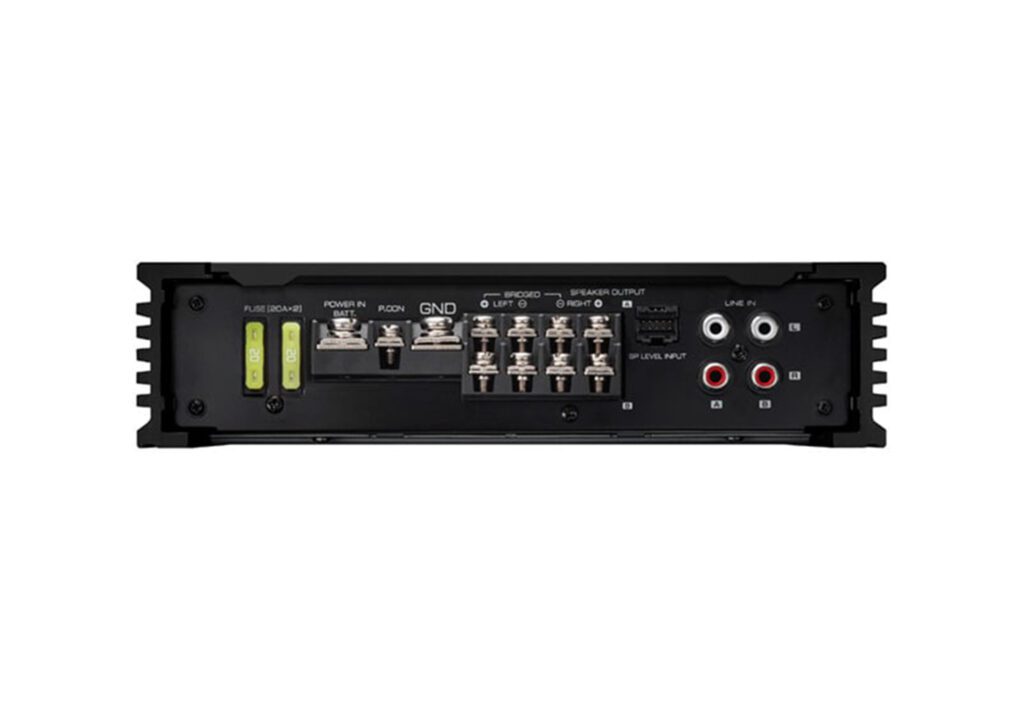
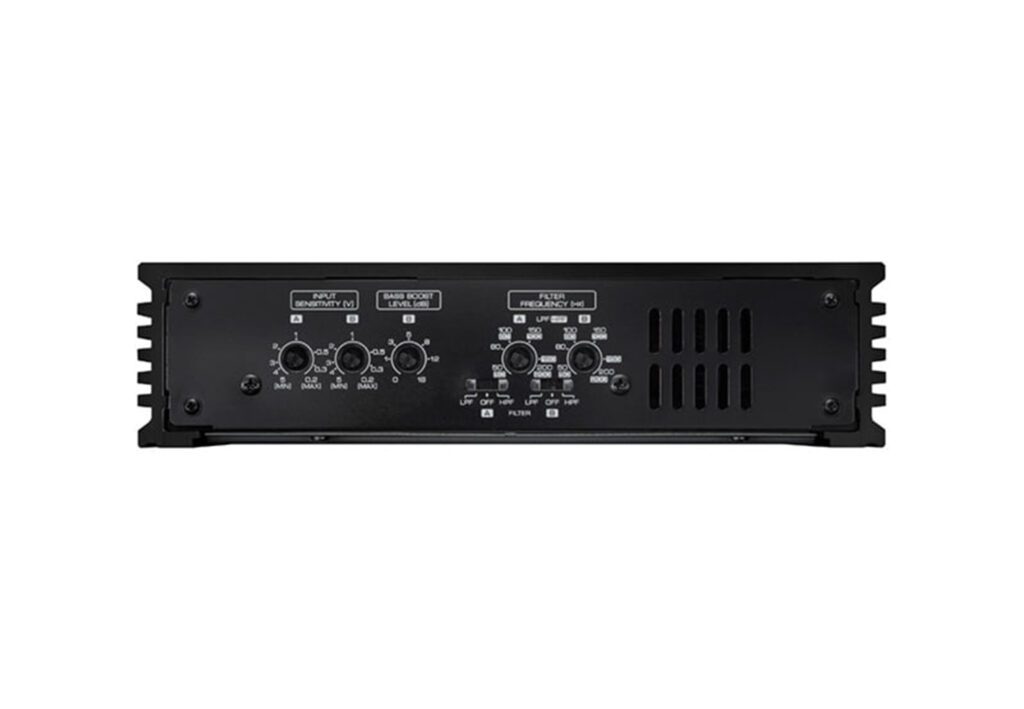
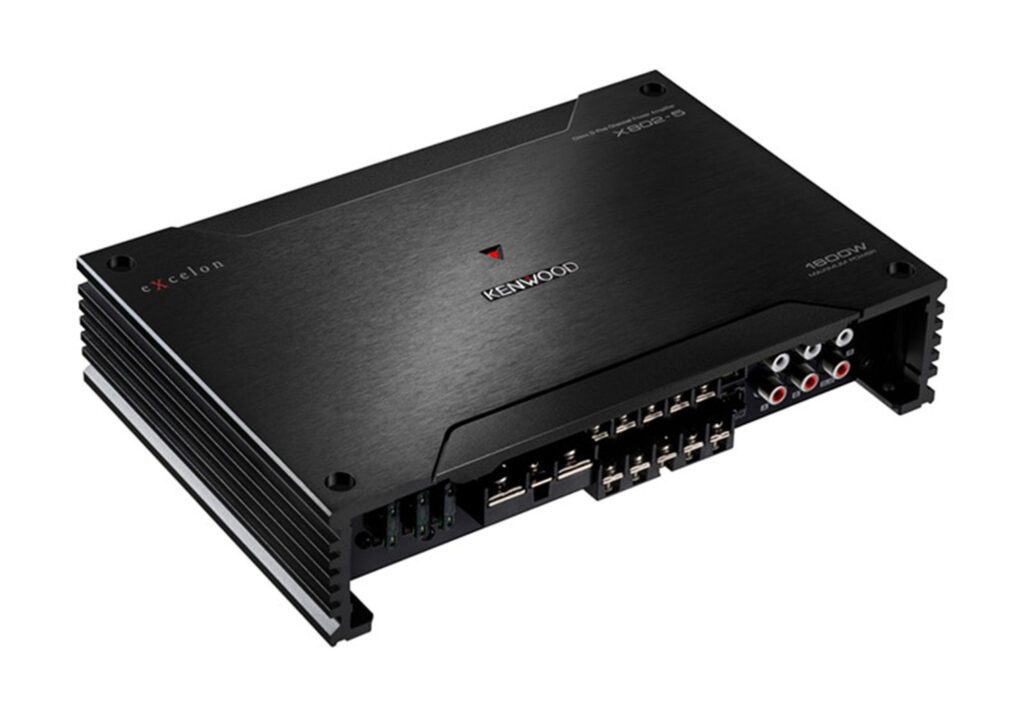
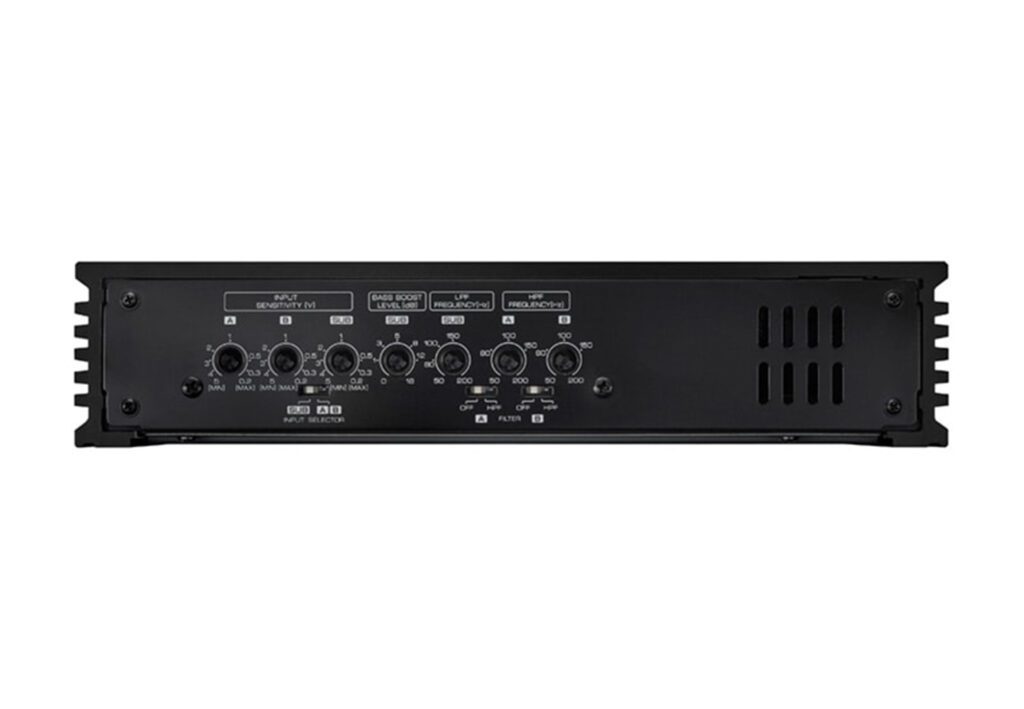
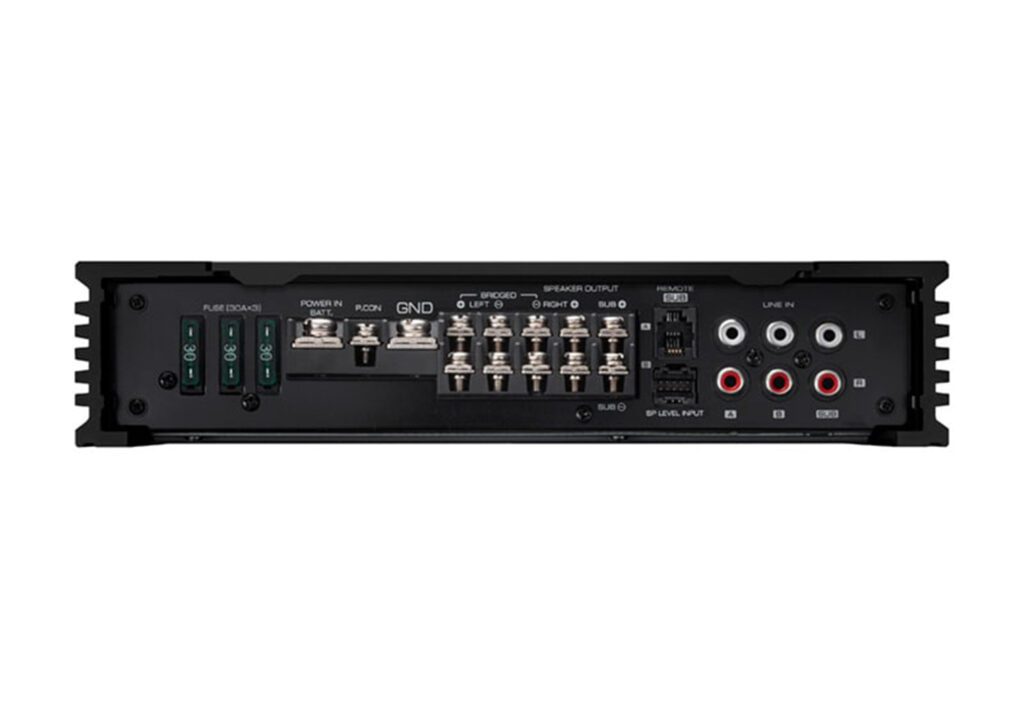
Kenwood Excelon X
Compact Class-D for tight installs · 1–5 channel
CarAudioNow may earn a commission from retailer links. Brands do not influence the recommendations.
Why I picked it
When I have almost no room but still want a reliable, clean setup, the Excelon X line is an easy call. The chassis is compact and efficient, the speaker-level inputs make OEM integration painless, and the controls are simple to dial in and keep quiet in tight cabins. The power-to-size ratio makes them easy to recommend for OEM-plus builds, small cabins and mixed-use vehicles where space is the real constraint.
Pairing this with a low-profile enclosure? Start with my best shallow subwoofers, and plan runs that fit tight trim with my wire gauge guide so you don’t choke the amp with undersized power wire.
| Make | Kenwood |
| Model | Excelon X |
| Class | Class-D |
| Onboard DSP | No |
| Top Power | 50×4 + 300×1 |
| Channels offered | Mono–5-ch |
Reasons to buy
- Tiny footprint — fits under seats, side panels and small cubbies most amps won’t
- Clean, simple tuning; easy to keep noise out of compact installs
- Great one-box solution for OEM-plus builds when space is the constraint
Reasons not to buy
- Not the cheapest watts per dollar if you have room for a larger chassis
- Sub channel output is “daily-driver” strong, not SPL-focused — pair with efficient enclosures
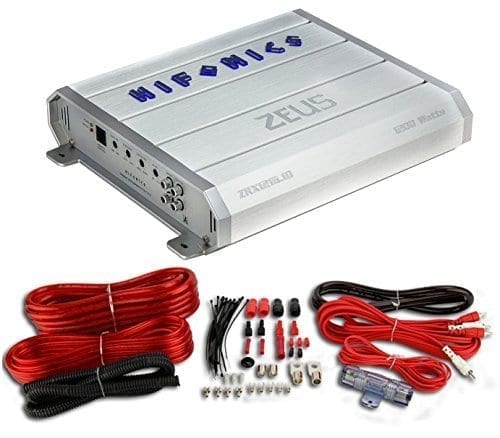
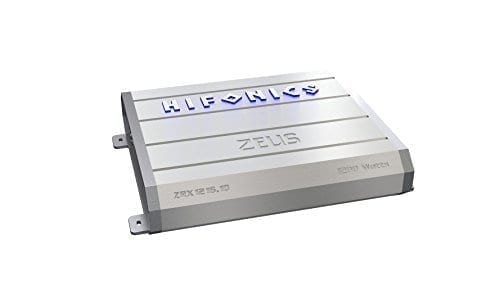
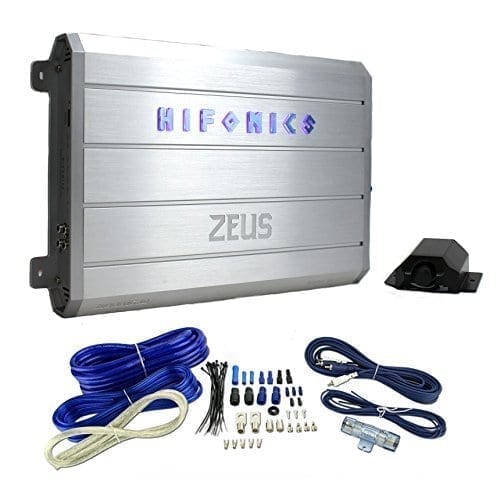
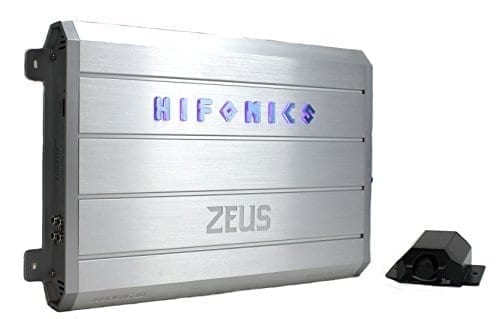
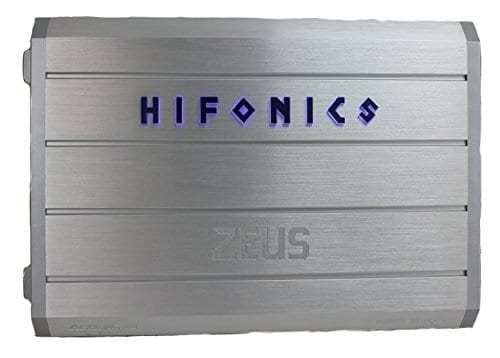
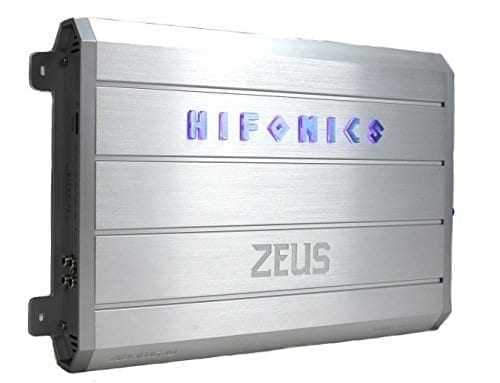

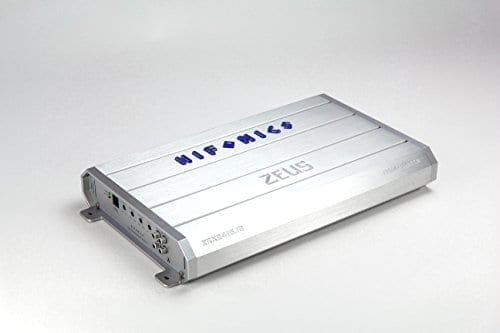
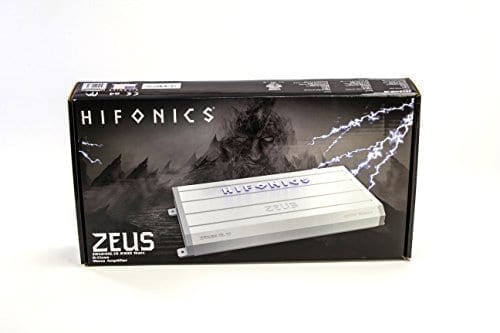
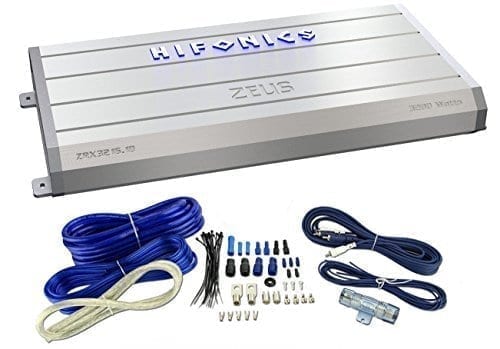
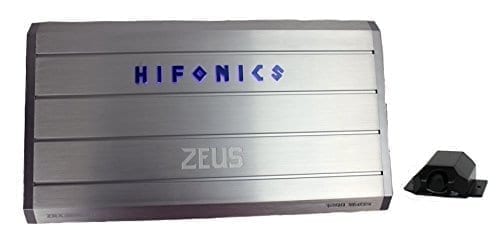
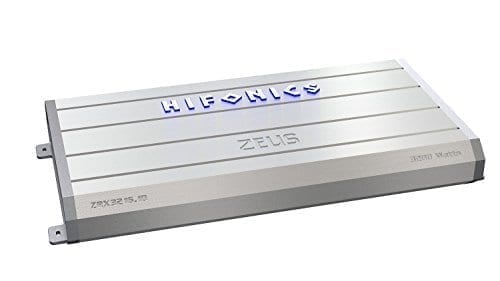
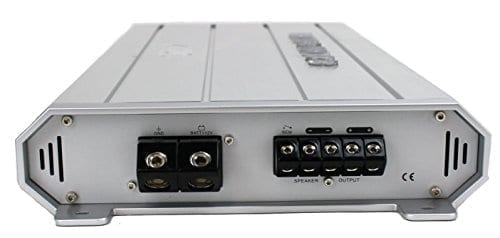
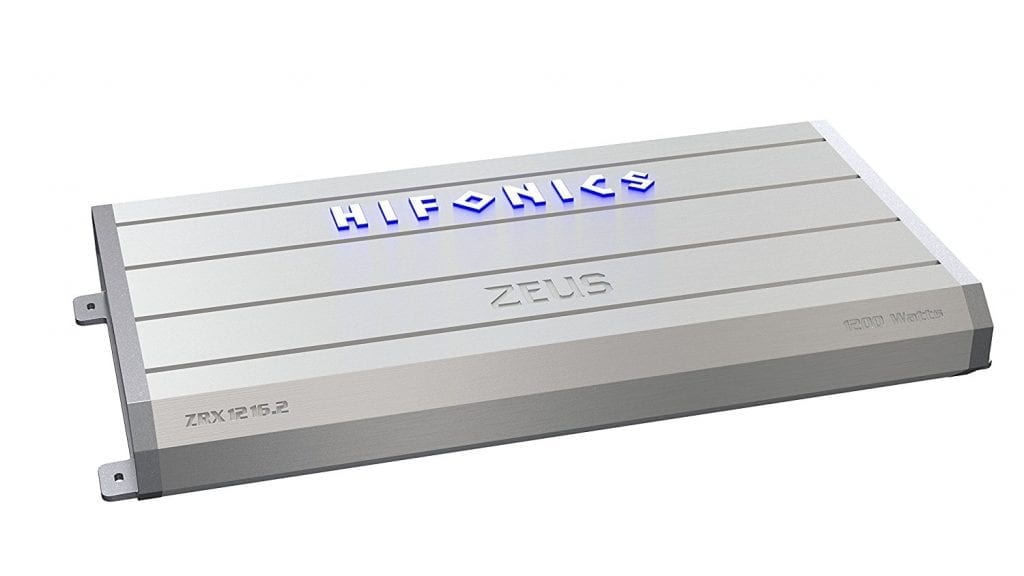
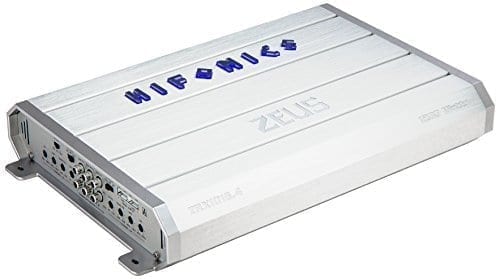
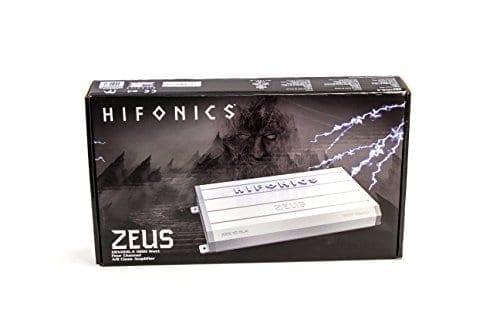
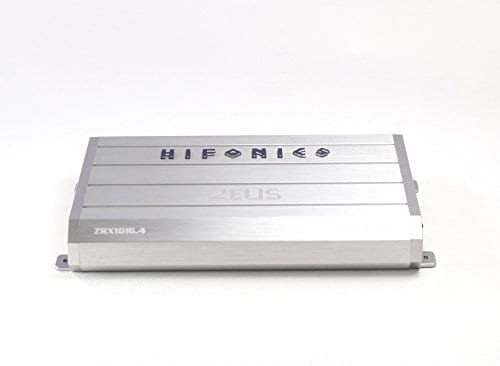
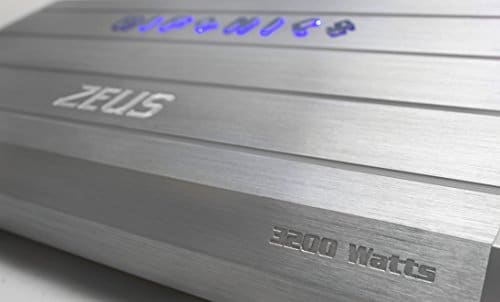
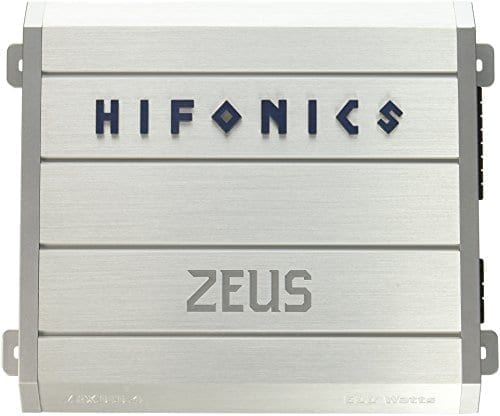
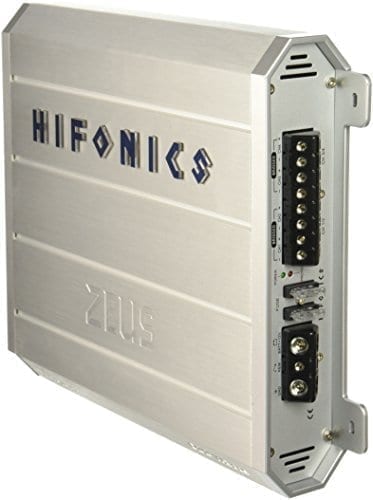
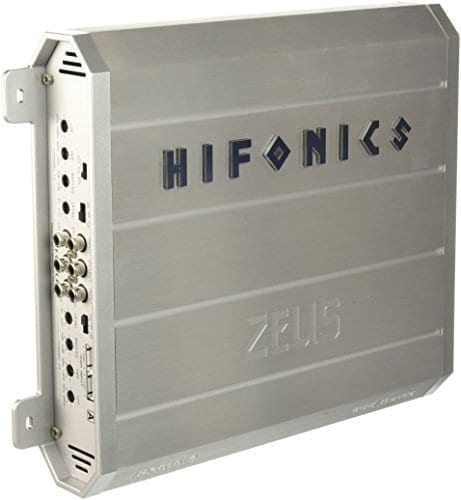
Hifonics ZRX (Zeus)
Budget-friendly loud-bass amp line · mono & 4-channel
CarAudioNow may earn a commission from retailer links. Brands do not influence the recommendations.
Why I picked it
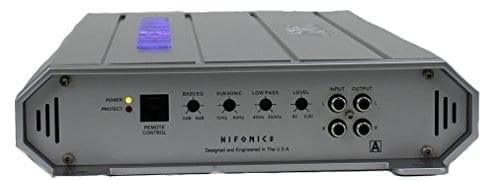
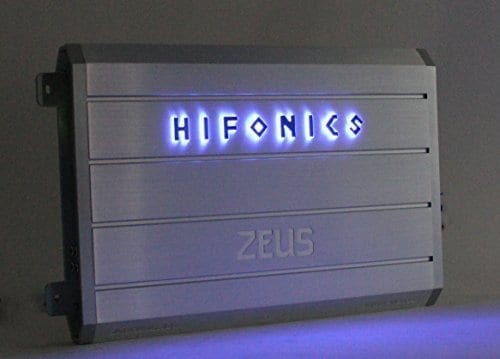
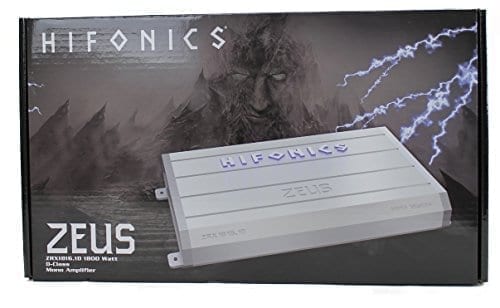
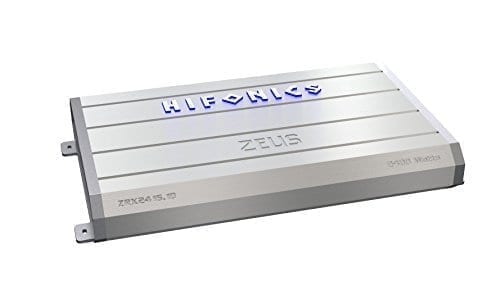
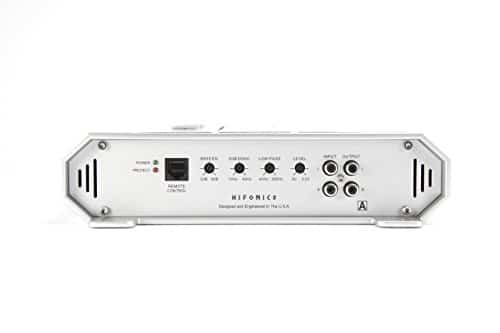
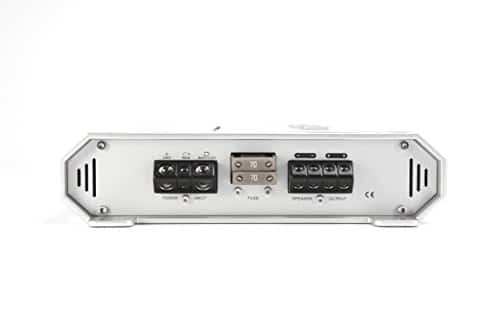
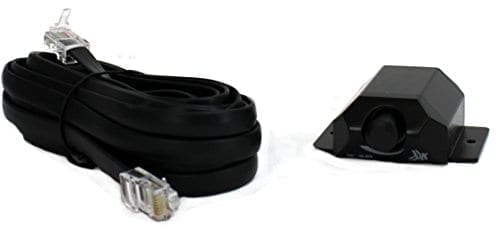
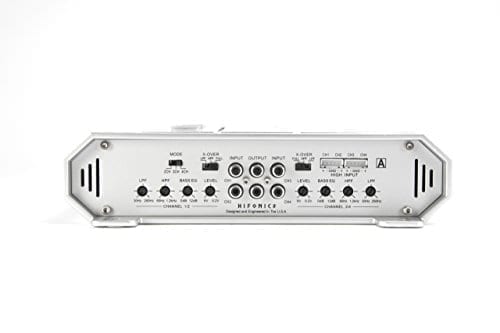
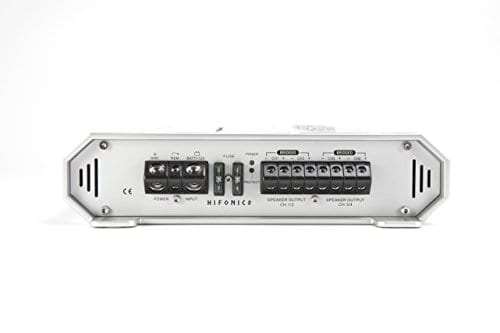
If you want a budget-friendly amplifier for loud bass, the Zeus ZRX line covers a ton of ground with straightforward controls and plenty of wattage options. It’s easy to match to a common single-12″/dual-12″ setup whether you’re wiring at 2Ω or 1Ω, and the remote level knob makes day-to-day adjustments simple. This isn’t my ultra-low-noise SQ choice, but for daily bass that hits hard without a premium price tag, ZRX delivers.
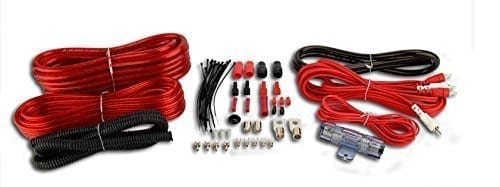
Set yourself up for success: decide on your enclosure and wiring first, then pick the ZRX model that gives you the right RMS at your final impedance. My quick guides help you avoid clipping and mismatches — start with 5-channel vs. separate amps and my DD-1 gain-setting walkthrough. For mono picks, see my top monoblock subwoofer amplifiers.
| Make | Hifonics |
| Model | ZRX / Zeus |
| Class | Class-D |
| Onboard DSP | No |
| Top Power | 800W×1 (Zeus) |
| Channels offered | Mono & 4-ch |
Reasons to buy
- Wide model range — mono and 4-channel options for common sub/enclosure builds
- Variable LPF + subsonic filters, bass boost and a remote level knob for quick tuning
- Easy to match at 1Ω or 2Ω; straightforward, daily-driver-friendly setup
- A lot of wattage per dollar
Reasons not to buy
- Not an ultra-low-noise “SQ” amp — it’s built for slam, not micro-detail
- “Daily-driver” strong, not all-out competition SPL
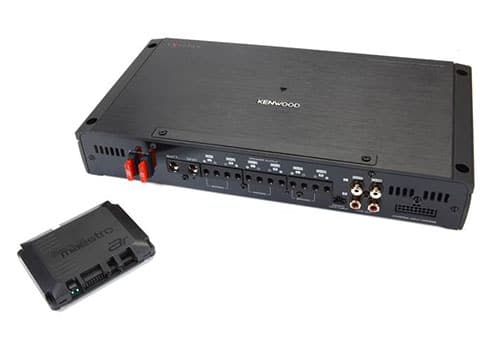
Kenwood Excelon P-XR600-6DSP
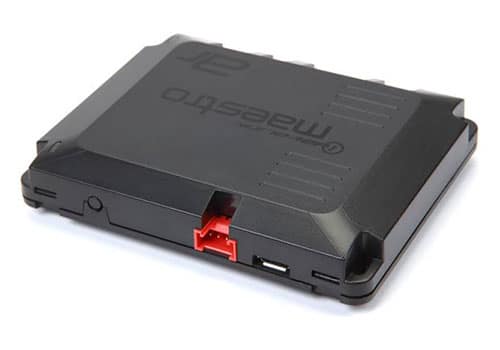
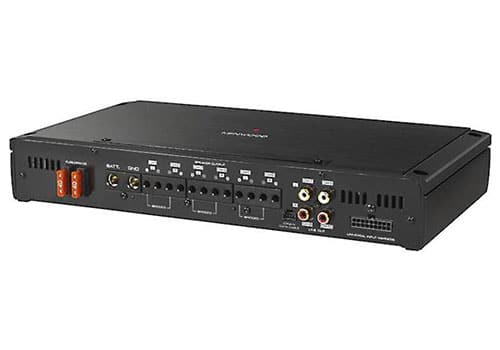
OEM-replacement 6-ch DSP amp · pairs with iDataLink Maestro AR
CarAudioNow may earn a commission from retailer links. Brands do not influence the recommendations.
Why I picked it
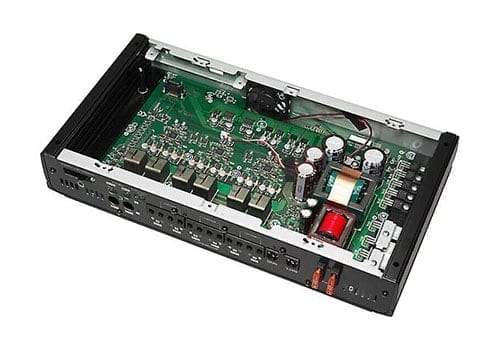
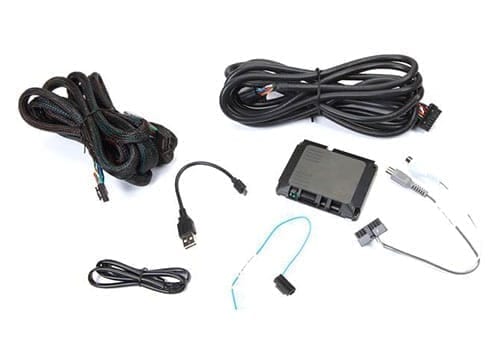
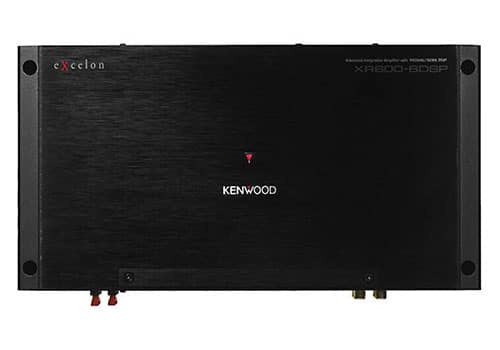
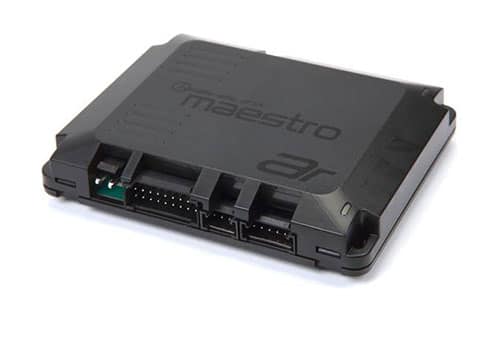
This combo gives me the most OEM-clean upgrade path I’ve used. The Maestro AR talks to the vehicle over data, so I keep balance/fade, factory alerts and steering controls while the Kenwood XR600-6DSP provides real power and per-channel tuning. It’s minimally invasive, sounds dramatically better than the stock amp, and the app makes post-install tweaks painless.
Before buying, confirm Maestro AR compatibility for your exact year/trim. For process and tuning checkpoints, my OEM-integrated F-150 install & tuning lays out the steps I follow, and this amp wiring guide will help you plan grounds, fusing and runs the right way.
| Make | Kenwood |
| Model | Excelon XR600-6DSP |
| Class | Class-D |
| Onboard DSP | Yes (6-ch) |
| Top Power | 6-ch OEM-replacement |
| Channels offered | 6-ch |
Reasons to buy
- Keeps factory UI/chimes while delivering a real power & quality upgrade
- Less invasive than replacing the head unit in many 2015+ vehicles
- Saveable profiles make daily vs. demo listening easy
Reasons not to buy
- Requires a compatible vehicle and the Maestro AR module/harness
- Not as flexible for a heavily custom, competition-style system later
Match the amp to your exact vehicle & gear
Tell us your year, make and model and we’ll help you line up channels, power and impedance with the speakers and subs you’re running.
Car amplifier FAQ
Do I really need an amplifier?+
If you want your speakers and subs to perform, yes. Factory and even aftermarket head units often leave systems underpowered; a proper amp with clean power and headroom wakes up even stock speakers.
How many channels should I get?+
Mono powers a sub; 4-channel handles four speakers (or front + bridged sub); 5/6-channel runs a full front stage plus a sub from one chassis. Pick the configuration that matches the system you want to end up with.
Peak watts vs. RMS — which matters?+
RMS (continuous) power is what matters. Match RMS and impedance to your speakers/subs; ignore the big “peak” numbers on the box.
Do I need an amp with built-in DSP?+
If you’re integrating with a factory system or want time alignment and EQ without an extra box, onboard DSP (JL VXi, AudioControl D, Kenwood XR600) is worth it. Otherwise a clean non-DSP amp plus a separate processor also works.
More amp guides & how-tos
Plan the rest of the build:
Why trust CarAudioNow?
