
Best Marine-Grade & Boat Speakers
I organize this guide by the three categories boaters actually shop — 6.5″ and 7.7–8″ cabin speakers and wakeboard tower speakers — because fitment and goals decide everything on the water. Here are my current category winners, picked for proven on-water performance and built to survive UV, spray and salt, with a deeper sub-guide linked under each pick.

Why I built this guide
Put a set of car speakers on a boat and you’ll be replacing them by next summer — the sun yellows the cones, moisture eats the surrounds, and salt corrodes the terminals. Marine speakers are built to shrug all of that off, and the good ones still play loud enough to cut through wind and open air.
But ‘marine’ on the box doesn’t always mean it’ll survive a few seasons, so I lean on brands that actually publish UV and salt-fog testing and that I’ve run on real boats. Find your spot on the boat — cabin or tower — and the pick I’d run for it is below.
Compare my 4 picks side by side
| Size ↕ | My pick ↕ | Best for ↕ | Power (RMS) ↕ | Sensitivity ↕ | Rating ↕ | Buy |
|---|---|---|---|---|---|---|
| 6.5″ | 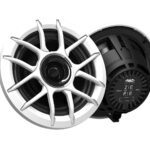 Wet Sounds ZERO 6 XZ-W Wet Sounds ZERO 6 XZ-W | the all-around 6.5″ marine upgrade | 100 watts | ~90 dB | Buy Now $714.99 on Amazon | |
| 8″ | 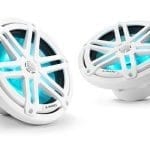 JL Audio M3-770X-S-GW JL Audio M3-770X-S-GW | bigger cone output in an 8″/7.7″ cutout | 70 watts | ~90.5 dB | Buy Now $439.99 on Amazon | |
| Tower | 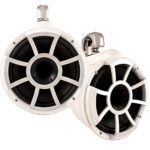 Wet Sounds REV 10 W/ Swivel Clamp (White) Wet Sounds REV 10 W/ Swivel Clamp (White) | aimed, high-output sound on a tower | 300 watts | ~92 dB | Buy Now $1,699.99 on Amazon | |
| Soundbars | 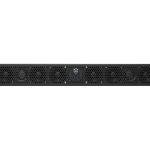 Wet Sounds Stealth 10 Ultra HD Wet Sounds Stealth 10 Ultra HD | deck-wide, all-in-one sound with no head unit | 300W | N/A (powered) | Buy Now $679.99 on Amazon |
CarAudioNow may earn a commission from retailer links. Brands do not influence the recommendations.
How we test & choose marine speakers
We install and listen to these speakers on real boats — no regurgitated spec sheets. Here's what actually drives the picks:
We favor brands that publish real UV and salt-fog (ASTM) testing — not just a 'marine' label — so the speaker survives sun, spray and salt over seasons.
Synthetic spiders and cones, stainless hardware, sealed baskets, and conformal-coated crossovers — the parts that actually fail on the water when they're built wrong.
Open-air listening on the boat: do vocals stay intelligible at distance and party volume, on- and off-axis, without getting harsh?
Cutout diameter and mounting depth, grille and clamp hardware, and how cleanly each fits thin gunwales, arches and towers.
We run them on real marine amp power (60–150W/ch) — the way they're meant to be driven — to confirm they wake up and tune flat with gentle EQ.
Impedance and RMS/peak power against manufacturer docs, so you don't mismatch amps or zones.
What size or type should you choose?
- 6.5″ coaxials Pick these for a direct-fit upgrade that still gets loud when amped — the best fitment for most factory cutouts. There's less cone area than 7.7/8″, so add a marine sub to fill in the low end. Great with a clean 60–100W/ch amp.
- 7.7–8″ coaxials Step up for fuller mid-bass, smoother highs and real output without going to towers. Check your cutout and depth, and plan to pair an amp — these want 75–125W/ch.
- Wakeboard towers Choose these if you tow riders and need long-range clarity 60–80 ft behind the boat. They come in both horn-loaded compression (HLCD) and traditional tweeter-driver designs, and they're larger, heavier enclosures that need more power — run them on a separate zone from the cabin.
My top marine speakers, by size & type
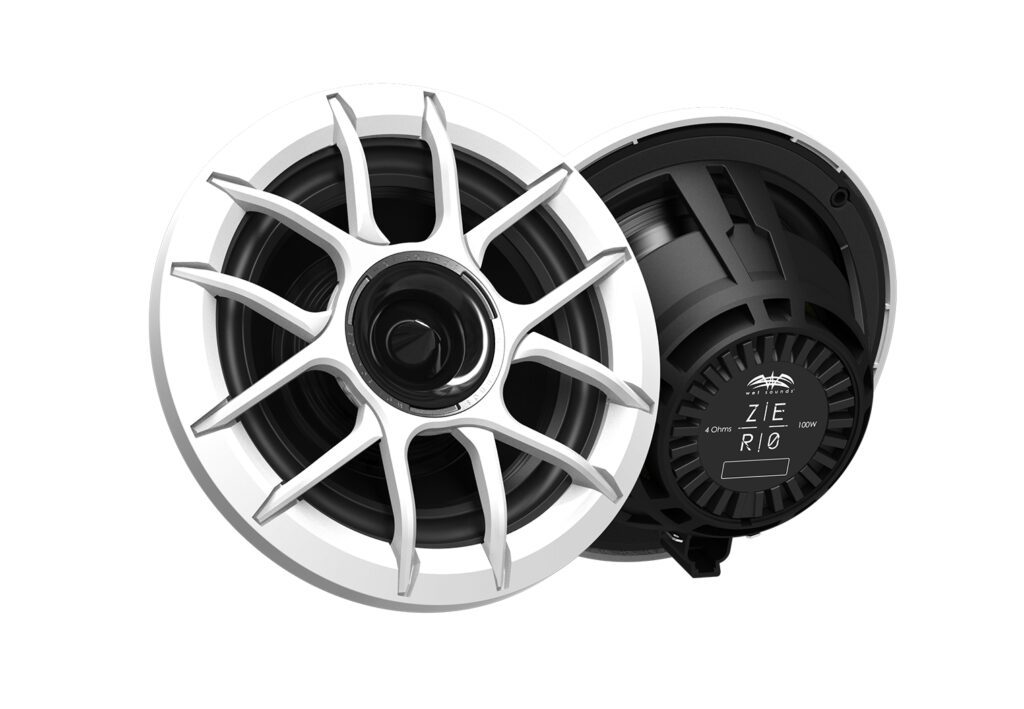
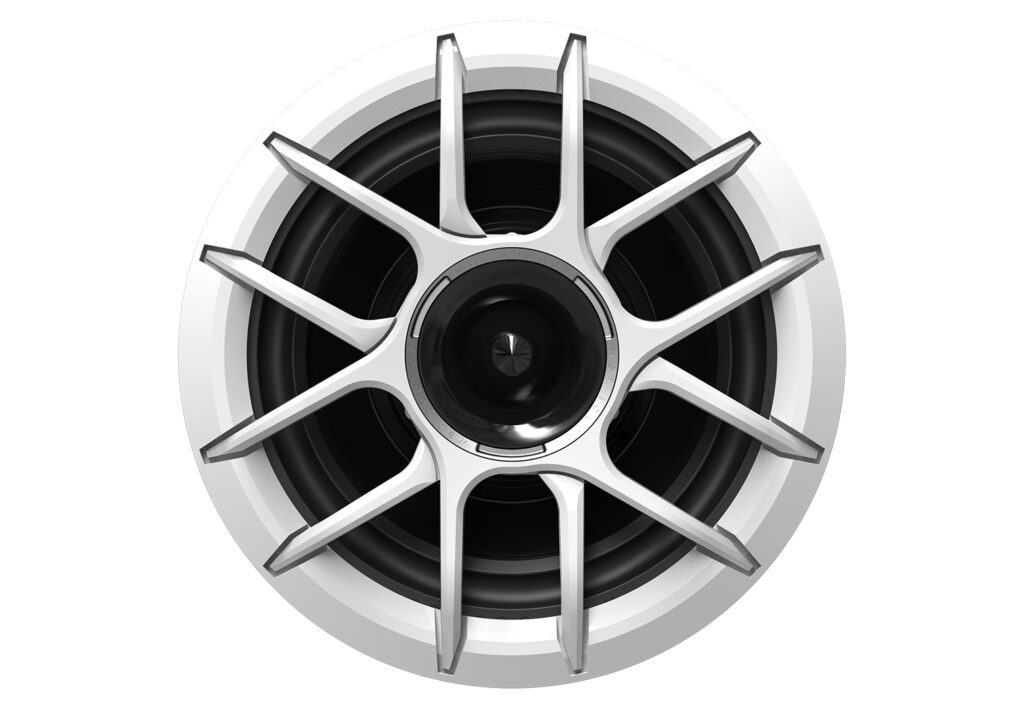
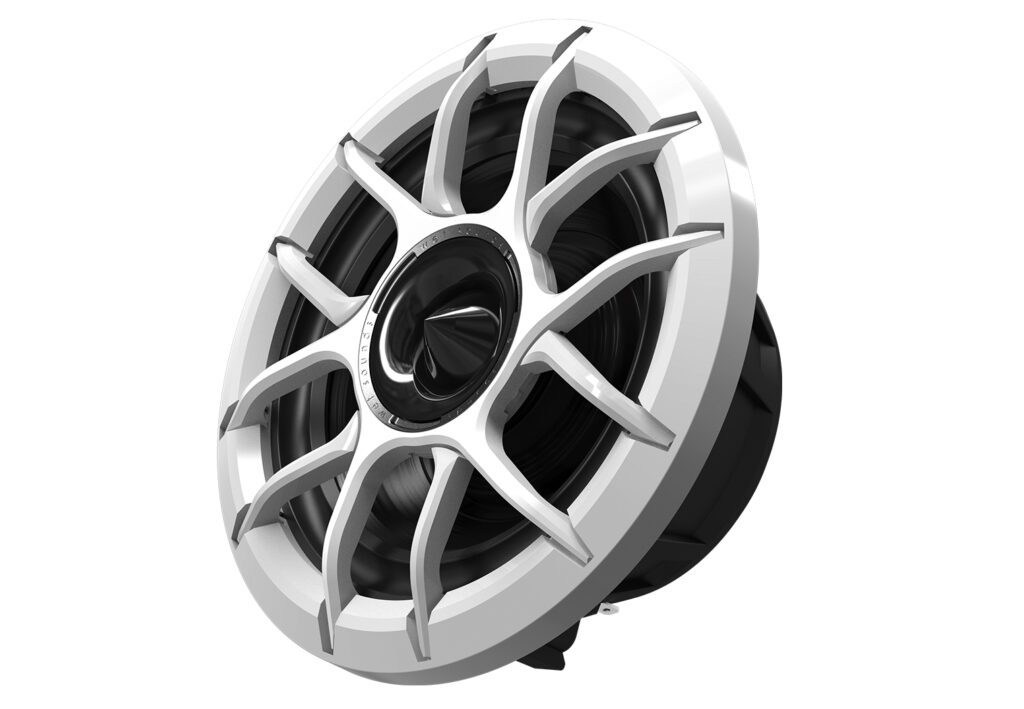
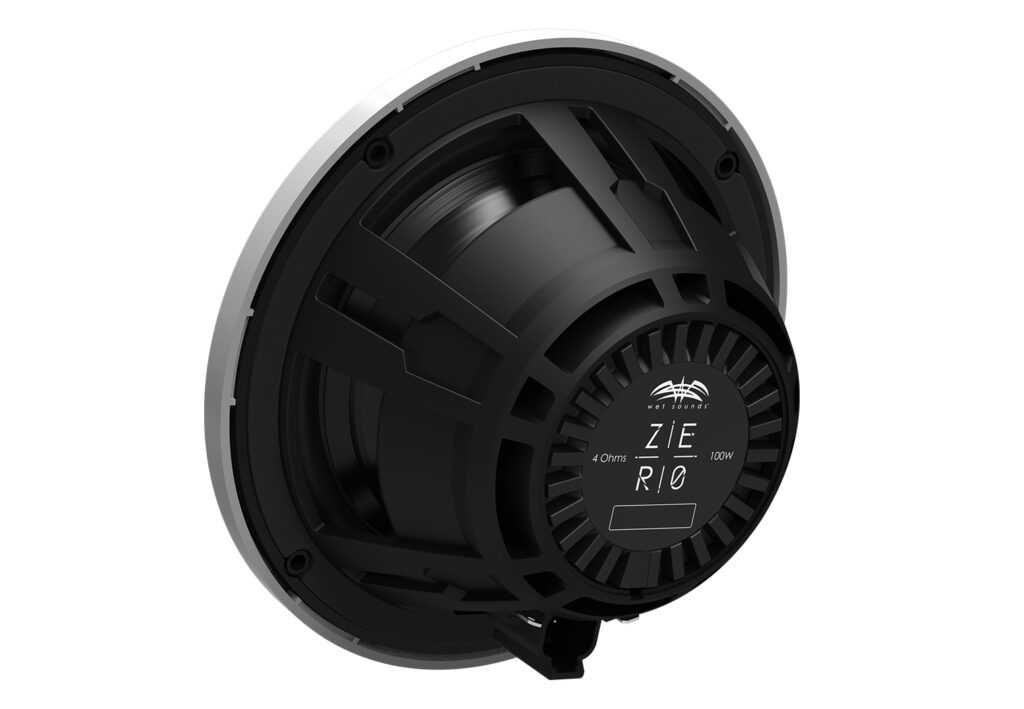
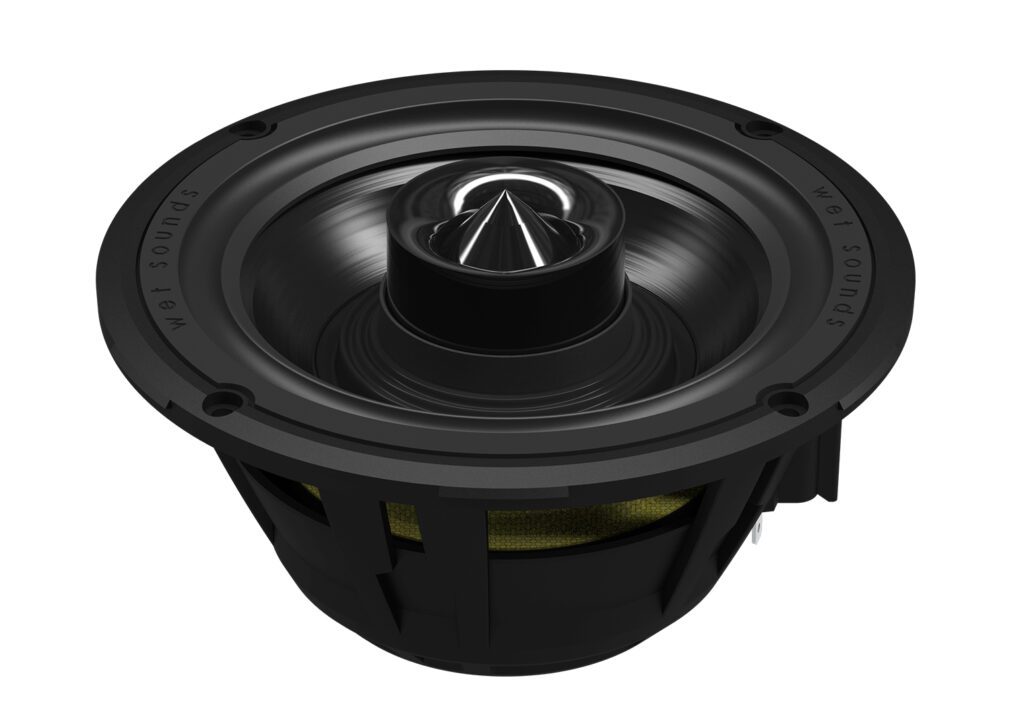
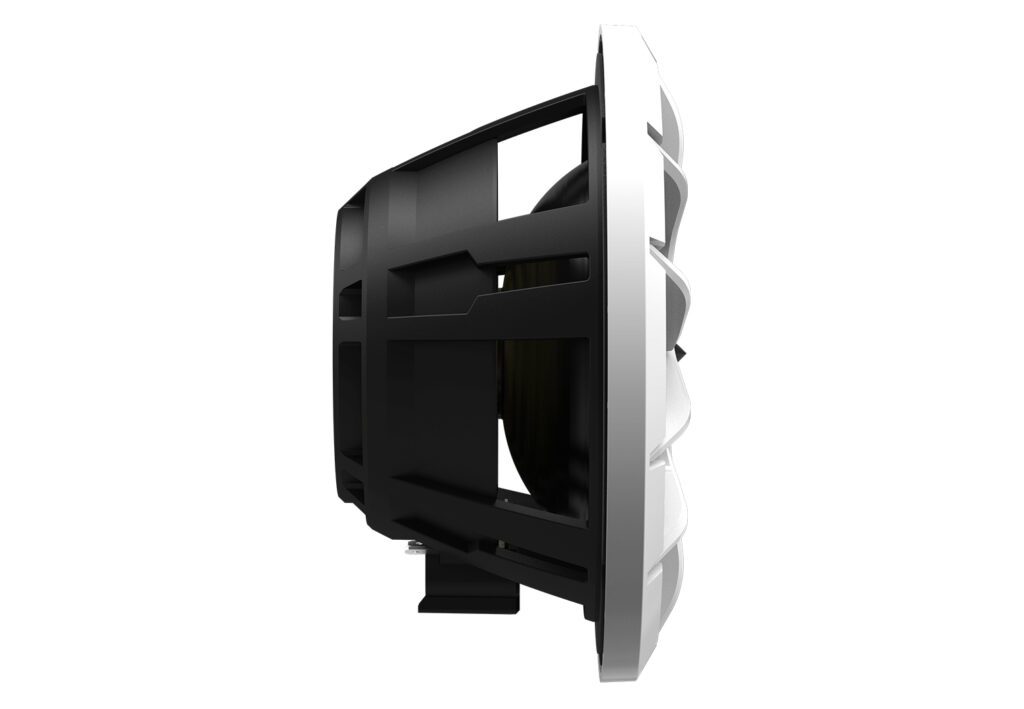
Wet Sounds ZERO 6 XZ-W
Tower-like projection from a 6.5″ cutout
CarAudioNow may earn a commission from retailer links. Brands do not influence the recommendations.
Why I picked it
I reach for the ZERO 6 when I need big-boat projection from a standard 6.5″ hole. The horn-loaded tweeter keeps vocals intelligible in open air, while the composite cone/surround/spider package resists UV and moisture better than typical paper-backed or cloth components. The shallow basket and twist-lock grille also solve real install headaches in thin gunwales and arches. Matched with 80–120W/ch of clean Class-D power, these tune flat with only gentle EQ—great off-axis and at party volume.
- My notes: “Tower-like” projection from a 6.5″; easy to aim the top end without harshness when set up right.
- Good pairings: High-quality marine amps in the 75–125W/ch range; consider DSP/zone control via a modern marine head unit.
- Ideal installs: Pontoons, bowriders and center consoles needing more throw without upsizing cutouts.
| Make | Wet Sounds |
| Model | ZERO 6 XZ |
| Size | 6.5″ Coaxial |
| Power (RMS) | 100 watts |
| Power (Peak) | 200 watts |
| Sensitivity | ~90 dB |
| Impedance | 4Ω |
| Marine rating | UV-resistant marine-grade build |
Reasons to buy
- Outstanding output and clarity from a 6.5″ footprint
- Rugged materials and shallow-mount flexibility
Reasons not to buy
- Shines with real amplifier power—head-unit power alone won't do it justice
- Pricier than mainstream 6.5″ options
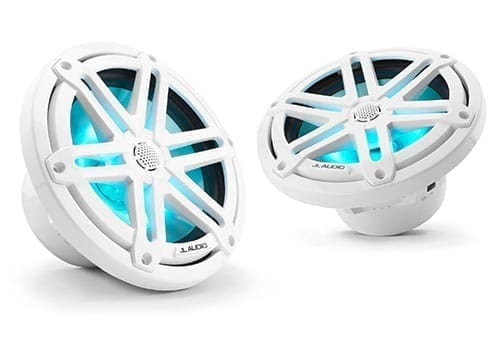
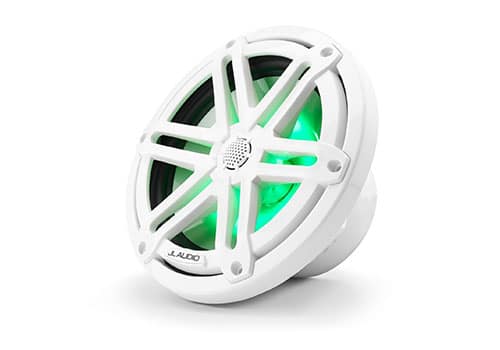
JL Audio M3-770X-S-GW
Sounds bigger than it looks — refined 7.7″ output
CarAudioNow may earn a commission from retailer links. Brands do not influence the recommendations.
Why I picked it
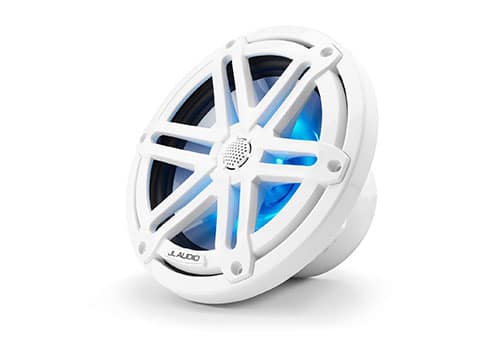
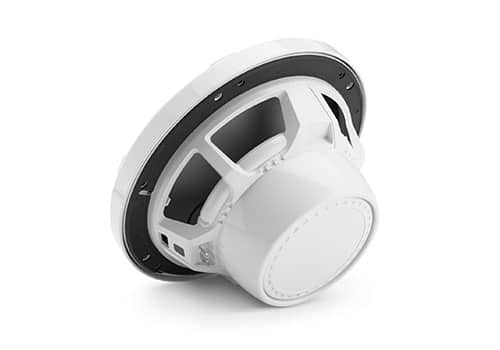
When a boat can't fit true 8.8″ cutouts, the M3-770X is my “sounds bigger than it looks” solution. The 7.7″ cone and efficient motor give you real mid-bass and output, while the treated silk dome tweeter keeps highs clean at volume without the brittle edge some hard-domes bring. JL's marinization and testing ethos are excellent for longevity, and the line plays nicely on 75–100W/ch—ideal for multi-zone setups that need smooth, non-fatiguing sound across the cockpit.
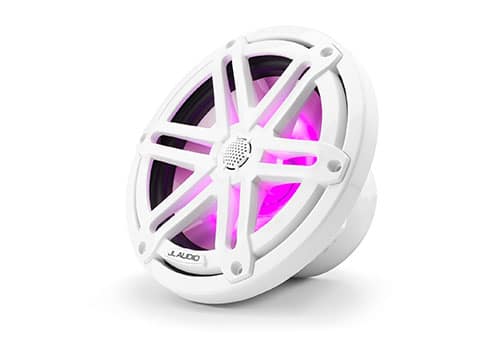
- My notes: Refined voicing, forgiving off-axis, great with or without LEDs.
- Good pairings: 75–100W/ch marine amps; add a marine subwoofer to unlock full low-end.
- Ideal installs: Boats with room for 7.7″ cutouts; owners prioritizing tonal balance over brute SPL.
| Make | JL Audio |
| Model | M3-770X-S-GW |
| Size | 8″ Coaxial (7.7″) |
| Power (RMS) | 70 watts |
| Power (Peak) | 225 watts |
| Sensitivity | ~90.5 dB |
| Frequency Response | 45 – 25,000 Hz |
| Impedance | 4Ω |
| Marine rating | Exceeds ASTM salt-fog & UV standards |
Reasons to buy
- Class-leading sound quality for the size
- Strong marine validation and hardware
Reasons not to buy
- Lower RMS rating than some 8.8″ competitors (still loud with proper power)
- Costs more than budget 8″ options
Wet Sounds REV 10 W/ Swivel Clamp (White)
Long-range, aimed tower sound for riders 60–80 ft back
CarAudioNow may earn a commission from retailer links. Brands do not influence the recommendations.
Why I picked it
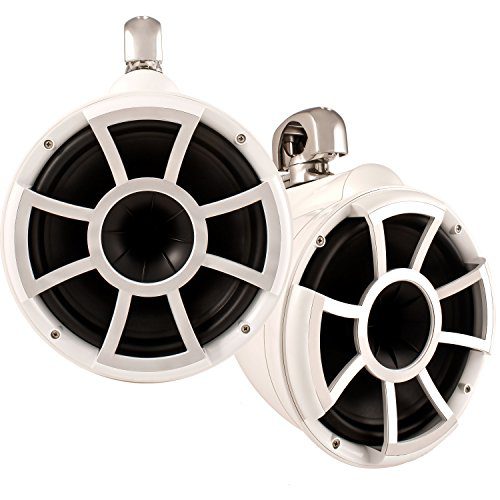
When the rider's experience matters most, Wet Sounds' REV series is my benchmark. The horn-loaded driver gives clear, intelligible mids/highs to the rope with less beaminess than older HLCDs, and the Kevlar-reinforced woofer holds together when you pour real power on. Clamp choices make rigging easy on most towers and arches, and they blend tonally with high-output cabins (e.g., Wet Sounds ZERO or REVO) so the boat and rider hear the same “voice.” I run the 10″ REV 10 as the flagship for serious wake/surf towers; want the same voice for less? The REV 8 is the smaller-budget sibling—it steps down to an 8″ cone and a bit less power but keeps the same REV TEC™ long-range projection.
- My notes: Serious long-range projection without the brittle edge; rugged enclosure and hardware.
- Good pairings: Dedicated high-power marine amp channels (≈200W/ch+); run a separate tower zone for rider vs cabin control.
- Ideal installs: Wake/surf boats where the rider is 60–80 ft back and needs vocals/guitars to cut through.
| Make | Wet Sounds |
| Model | REV 10 (Revolution Series) |
| Size | 10″ Tower (HLCD) |
| Power (RMS) | 300 watts |
| Power (Peak) | 600 watts |
| Sensitivity | ~92 dB |
| Impedance | 4Ω |
| Marine rating | Marine-grade, UV-resistant |
Reasons to buy
- Industry-leading projection and clarity behind the boat
- Clamp options and serviceable hardware
Reasons not to buy
- Larger/heavier than cabin speakers; plan mounting carefully
- Requires real power; budget amps need not apply
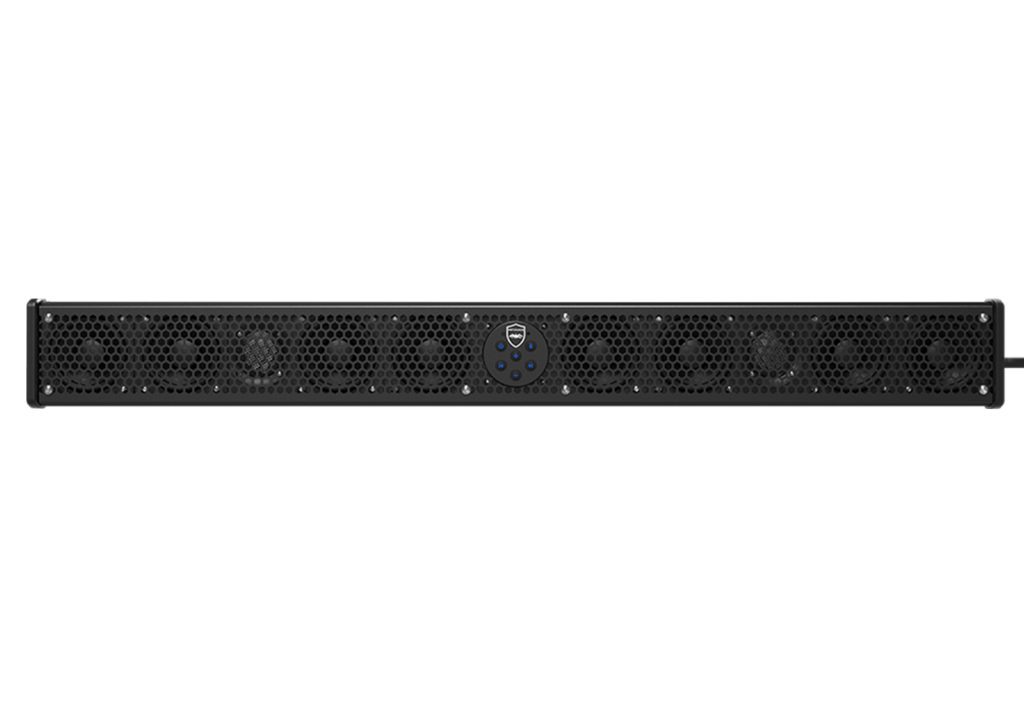
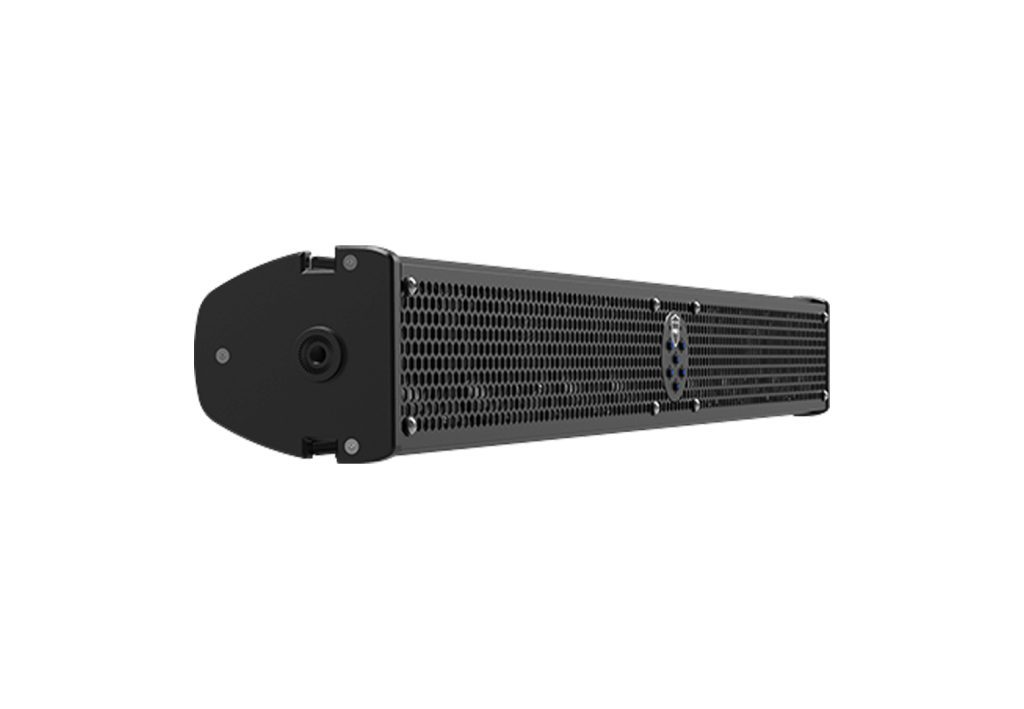
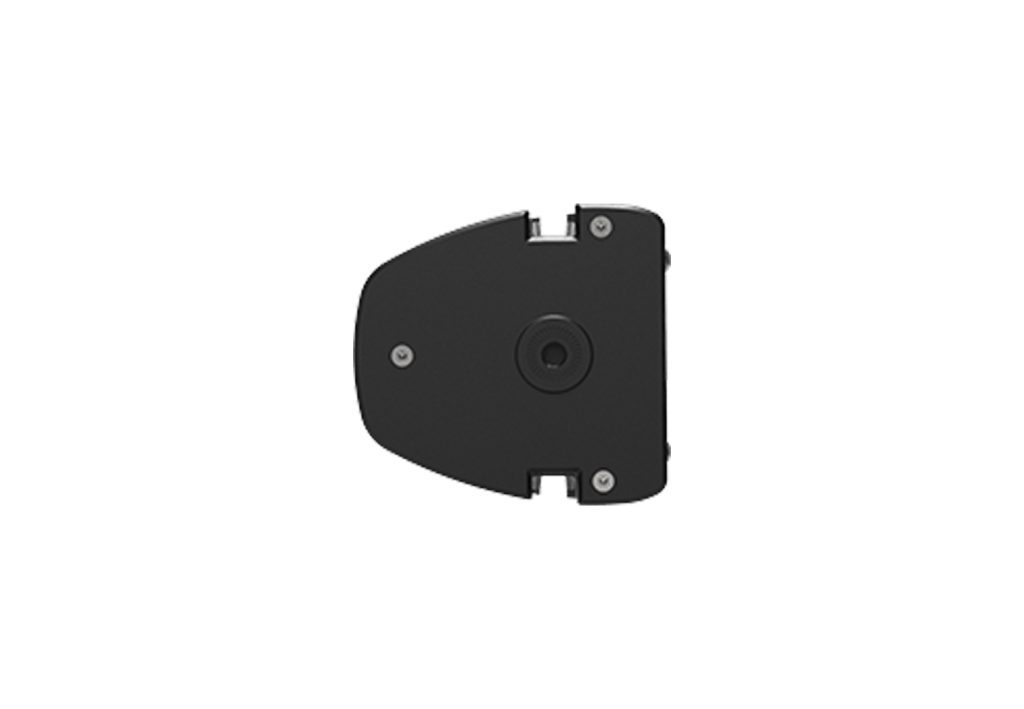
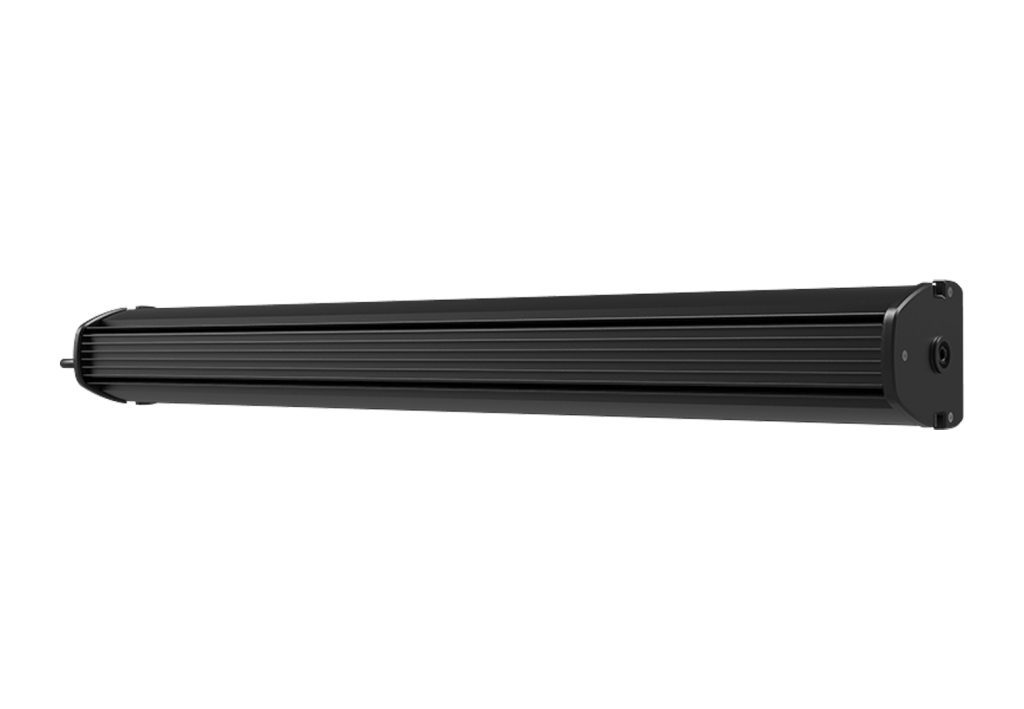
Wet Sounds Stealth 10 Ultra HD
The all-rounder that does almost everything right
CarAudioNow may earn a commission from retailer links. Brands do not influence the recommendations.
Why I picked it
If I had to bolt one soundbar to a boat and walk away, this is the one. The Stealth 10 Ultra HD earns Best Overall because it hits the balance the others miss — enough output to stay clear over wind and engine noise, but tuned so it still sounds good at idle, not just wide open. You get ten drivers (eight 3-inch full-range plus two 1-inch titanium tweeters) running off 300 watts, all in a sealed, all-in-one cabinet with Bluetooth built in. That last part matters more than people expect: there's no separate amp to find a dry home for, and no head unit required. Two power wires to the battery, a ground, mount it, pair your phone, done.
On a center console or a deck boat it throws sound back to the cockpit without you cranking it to the stop, and because Wet Sounds builds for powersports too, it's just as at home clamped to a big side-by-side roll cage as a boat. It's not the loudest bar here and it won't shake the hull on its own. If you want real low end, run it with a marine sub (see my best boat subwoofers guide). Bottom line: for most boats between 18 and 24 feet, this is the soundbar I'd spend my own money on — pair it with a set of cockpit speakers down low and you've got a system that sounds deliberate, not just loud.
| Make | Wet Sounds |
| Model | Stealth 10 Ultra HD |
| Length | ~24.5″ |
| Power | 300W RMS |
| Speakers | 10 (8×3″ full-range + 2×1″ titanium) |
| Bluetooth | Yes (built-in controller) |
| IP Rating | Marine-rated |
| Lighting | None |
| Amplified | Yes |
| Best Use | 18–24 ft boats / big side-by-sides |
| Power (RMS) | 300W |
| Sensitivity | N/A (powered) |
Reasons to buy
- All-in-one: built-in amp + Bluetooth, no head unit
- Balanced tuning that sounds good at idle and wide-open
- 10 drivers / 300W with titanium tweeters
- Sealed marine-grade build
- Easy two-wire-plus-ground install
Reasons not to buy
- Premium price, a real step up from the budget bars below
- No built-in RGB (the XT 12 has it)
- Needs a sub for real low end
- Not the loudest bar here on big open boats
Build It Right: Power, Zones & Tuning
- Power properly: Most marine speakers wake up with 60–150W RMS/ch. Start with my best marine amps and real-world reviews like Fusion Apollo and Infinity 6001A.
- Use zones: Separate cabin and tower on dedicated channels with a head unit that offers multi-zone/DSP, e.g. JBL R4500 or Fusion MS-RA770.
- Tune cleanly: Set gains correctly, then apply gentle EQ. My amp tuning quick guide walks through the process.
- Don't skip low end: A marine subwoofer lets cabin speakers play cleaner and louder.
Why Trust Our Opinion on Boat Speakers?
First off, whether its automotive audio or marine audio – we’re all in. And just because we’re “CarAudioNow” doesn’t mean we don’t love boats and boat stereos too. When it comes to marine audio, we’ve got over a decade of experience documenting custom installs and product reviews. Our founder, Kameron, is particularly invested in boat stereos – just check out his stereo upgrades on a Nautique G23, Axis A22 and Lightning 247SX (to name a few). It’s dozens of installations like these that make us an expert in not only car speakers, but marine speakers too.
CarAudioNow is also an award winning blog, founded and built from the ground up by car enthusiasts over a decade ago. We don’t use AI to throw regurgitated information about a few boat speakers on a list and say they’re “the best”. We’re dedicated to providing meaningful and authentic lists, with practical information that will help you make an informed decision on a product. And we do it because we genuinely enjoy or highly regard the stuff we add to our lists. Our readers and our reputation are both more important to us than a quick buck or the top rank on Google – although both of those would be nice! Read more about how we choose our top lists here.
Explore the rest of my marine audio guides
From marine amps and subwoofers to head units and tower speakers, my boat-audio hub links every tested guide — so you can power, tune and expand your system the right way.
More marine audio reviews & guides
Go deeper on the gear and installs behind these picks.
Marine speaker questions, answered
Do I really need true marine-rated speakers, or will car speakers work on a boat?+
Use true marine-rated speakers. The water, salt and UV a boat lives in will cook car speakers fast — paper cones, untreated surrounds and steel hardware corrode and fall apart. Real marine speakers use UV-stable cones, synthetic spiders, sealed baskets and stainless hardware, and the good ones publish salt-fog (ASTM) and UV testing. It's the difference between one season and ten.
What size speakers fit my boat?+
Most boats take 6.5″ or 7.7–8″ cabin cutouts, with towers running dedicated 8″ or 10″ enclosures. A 6.5″ is the easiest direct-fit upgrade for most factory holes; step up to 7.7–8″ when you have the room and want more mid-bass. Measure your cutout diameter and mounting depth before you buy — thin gunwales and arches don't always have the depth a bigger speaker needs.
Do tower speakers need an amp?+
Yes — towers are built to throw sound 60–80 feet to a rider, and they only do that with real power. Plan on a dedicated high-power marine amp channel (roughly 200W RMS per channel and up) and run the tower on its own zone, separate from the cabin, so you can control rider volume independently. Head-unit power alone won't cut it.
Coaxial or component speakers on the water?+
For most boats, coaxials are the right call — they're simpler to install in open, wet locations, with less wiring and fewer crossover boxes to keep dry. Components can image better in an enclosed cabin, but the extra install complexity rarely pays off in open air. Save the horn-loaded, separated-driver sound for the tower, where it does the most good.
How many speakers and zones do I need?+
Start with a cabin pair up front, add a second pair for the stern or cockpit, then a tower pair if you tow riders, and a marine sub to fill in the low end. Put the cabin and tower on separate zones with a multi-zone head unit so you can turn the rider's music up without blasting everyone in the boat. Match each zone to clean amp power and tune it gently.
How do I protect marine speakers from sun and water?+
Buy speakers with published UV and salt-fog testing, use the sealed grilles and gaskets they ship with, and mount them where they drain rather than pool water. Rinse salt off after saltwater days, cover the boat when it's parked, and keep crossovers and amp connections in a dry, ventilated spot. Good marine gear is built for abuse, but a little care doubles its life.