
Best Component Car Subwoofers (Tested) – 2026 Buyer's Guide
My updated guide to the best component car subwoofers — maximum flexibility to choose your own box, amp and placement, and the strongest foundation for sound quality and output. Each pick is a series: I stand behind the line, and you choose the size that fits your build. This guide is part of my larger car subwoofers guide; want simpler? See powered subs, or for tight spaces, shallow subs.

Why I built this guide
A component (raw driver) sub is the foundation of a serious bass system — you choose the box, the amp and the placement, which is exactly the flexibility that lets you chase real sound quality or real output. It’s more work than a powered box, and that work is where the best results come from.
Each pick here is a series, so you pick the size your build needs — ranked below.
Compare my 6 component subwoofer picks
| Best for ↕ | My pick ↕ | Sizes | RMS Power ↕ | Enclosure ↕ | Rating ↕ | Buy |
|---|---|---|---|---|---|---|
| Best Overall | 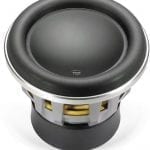 JL Audio W7AE JL Audio W7AE | 8″10″12″13.5″ | 500–1500W (size-dependent) | Sealed or ported | From $749.99 on Amazon | |
| Best Sound Quality | 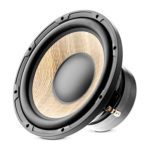 Focal Flax Evo Focal Flax Evo | 8″10″12″ | 250–400W (size-dependent) | Sealed (or conservative ported) | From $489.99 on Crutchfield | |
| Best for Clarity | 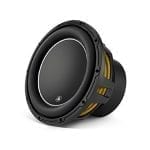 JL Audio W6v3 JL Audio W6v3 | 10″12″ | 300–600W (size-dependent) | Compact sealed (~0.6 ft³) | From $749.99 on Amazon | |
| Editor’s Pick | 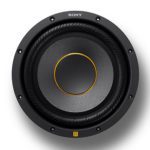 Sony Mobile ES Sony Mobile ES | 10″12″ 2Ω12″ 4Ω | 500W | Modest ported | From $198.00 on Crutchfield | |
| Best Value | 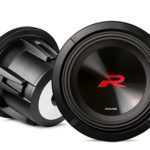 Alpine R2-W (2nd Gen R) Alpine R2-W (2nd Gen R) | 8″10″ 2Ω12″ 4Ω | 350–750W (size-dependent) | Sealed or ported | From $299.95 on Amazon | |
| Best Budget | 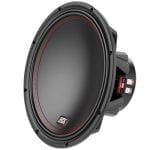 MTX 55 Series MTX 55 Series | 10″12″15″ | 400W | Ported | From $169.95 on Amazon |
CarAudioNow may earn a commission from retailer links. Brands do not influence the recommendations.
How we test & pick component subs
Everything here is based on installs I’ve done, measurements where applicable, and extended listening. I purchase many of the subs; some are manufacturer samples — brands don’t pay for placement or approve picks.
Component subs let you choose the enclosure, amp and placement; we pick lines that reward a good box — sealed for accuracy, ported for output.
We match each pick to realistic power at your wiring impedance and call out DVC options so they’re easy to wire to the amp you own.
We listen in real cars for clean, articulate bass that integrates with the front stage — control, not just output.
From the reference W7AE to the budget MTX 55, we pick the best at each tier so there’s a right answer for every build.
What to consider before you buy
- Space & box type Sealed is tighter and smaller; ported is louder per watt. Match the box to your space and goals — my box primer has visuals and example volumes.
- Impedance & coils DVC drivers are easier to wire for the amp you own. Use my pairing guide to avoid mismatches.
- Power & electrical Target clean RMS, not peak. High-power builds want a big-3/AGM upgrade. See my amplifier-choosing guide, the right wire gauge, and how I install & wire amps and tune them.
- What size should I get? 8″ is fast and tight in tiny boxes; 10″ balances depth and slam; 12″/13.5″ give deeper extension and higher output for SQ + SPL builds.
My top component subwoofer series
JL Audio W7AE
Reference-standard component sub line · 8″–13.5″ · sealed or ported
CarAudioNow may earn a commission from retailer links. Brands do not influence the recommendations.
Why I picked it
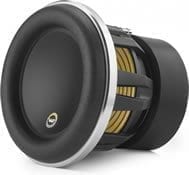
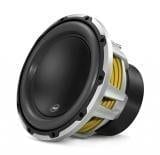
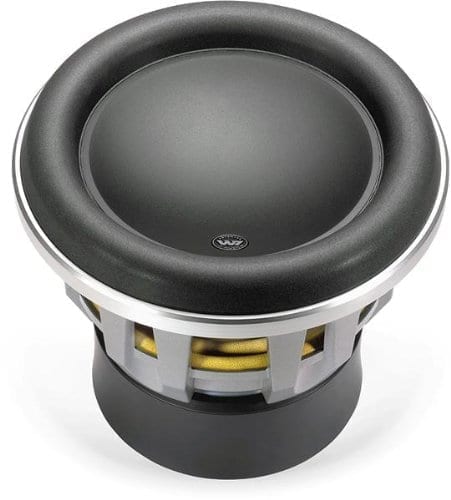
JL’s W7 has been the reference standard for two decades because it blends control and command: deep extension without bloat, slam without smear. Its W-Cone assembly and OverRoll surround maximize stiffness and excursion, while DMA (Dynamic Motor Analysis) keeps the motor linear under heavy loads — exactly what you hear as clean, undistorted bass at volume.
We’ve installed and tuned every size over the years: the 10″ is the sweet spot for most daily builds, while the 12″/13.5″ step into “effortless” territory when you have the space and power. For a deeper dive, see our W7 in-depth feature review (and our standalone W7 review). I set gains with my DD-1 gain-setting walkthrough, and you can hear how it stacks up against the Stinger DC2-S12B loaded enclosure and the Sony Mobile ES 12″ subs we’ve measured.
| Make | JL Audio |
| Model | W7AE-3 |
| Type | Component subwoofer |
| RMS Power | 500–1500W (size-dependent) |
| Voice Coil | DVC 3Ω |
| Enclosure | Sealed or ported |
Reasons to buy
- Class-leading linearity and control at high excursion
- Works sealed or ported; scalable from 8″ to 13.5″
- OverRoll / W-Cone / DMA tech = clean output at volume
Reasons not to buy
- Requires real power/current to shine
- Enclosures can be larger vs shallow/powered options
- Premium price tier
Focal Flax Evo
Flax-fiber component sub · 8″–12″ · natural SQ
CarAudioNow may earn a commission from retailer links. Brands do not influence the recommendations.
Why I picked it
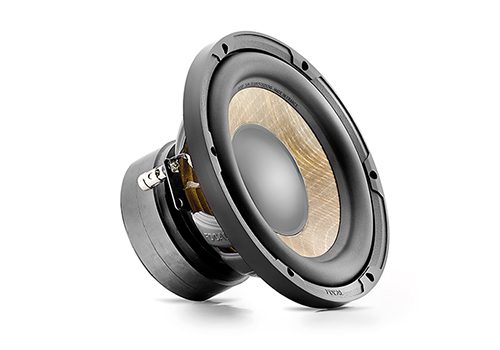
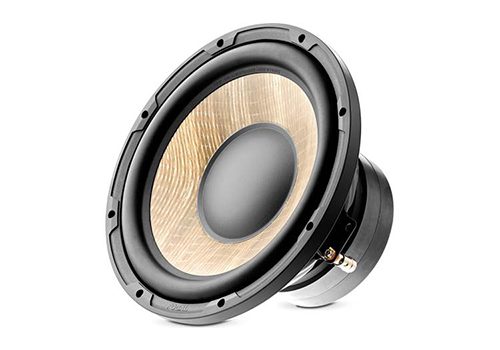
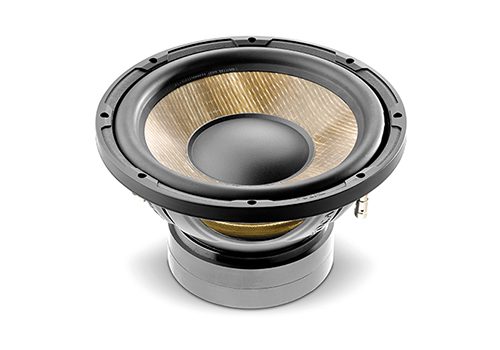
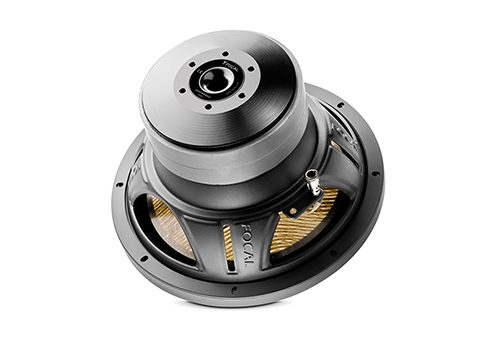
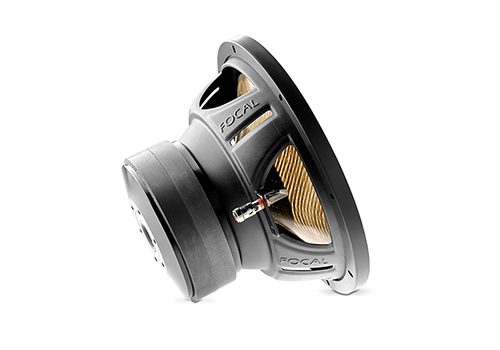
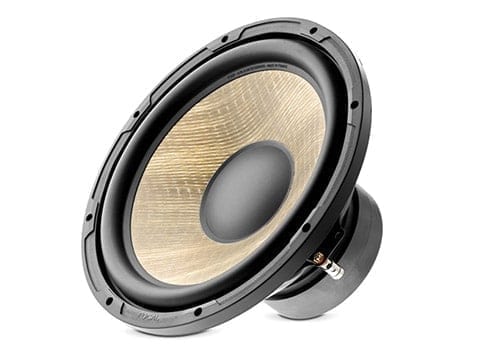
I’m a sucker for the way the Focal Flax Evo looks — but it’s on this list for how it sounds. The flax-fiber cone (glass-fiber skins over a flax core) keeps mass low and stiffness high, so bass has that warm, natural texture Focal is known for without getting woolly. In cars I’ve tuned with the 8″ and 10″, the low-end is articulate and blends easily with front stages.
Thermal management is solid too: a fiberglass voice-coil former and dual-magnet motor help it stay linear. If you’re doing a refined daily SQ build and care about timbre and tone, this is where I’d start. More background and pics in my Flax Evo notes.
| Make | Focal |
| Model | Flax Evo (P FE) |
| Type | Component subwoofer |
| RMS Power | 250–400W (size-dependent) |
| Voice Coil | SVC 4Ω |
| Enclosure | Sealed (or conservative ported) |
Reasons to buy
- Warm, natural texture — articulate, never woolly
- Flax-fiber cone: low mass, high stiffness
- Stays linear (fiberglass former + dual-magnet motor)
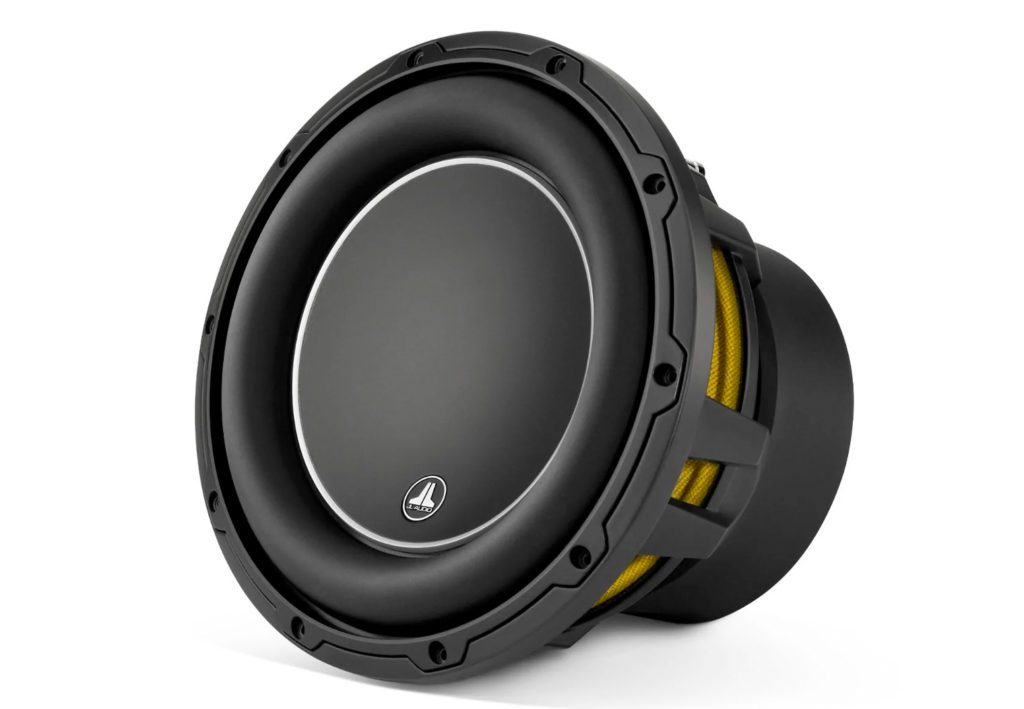
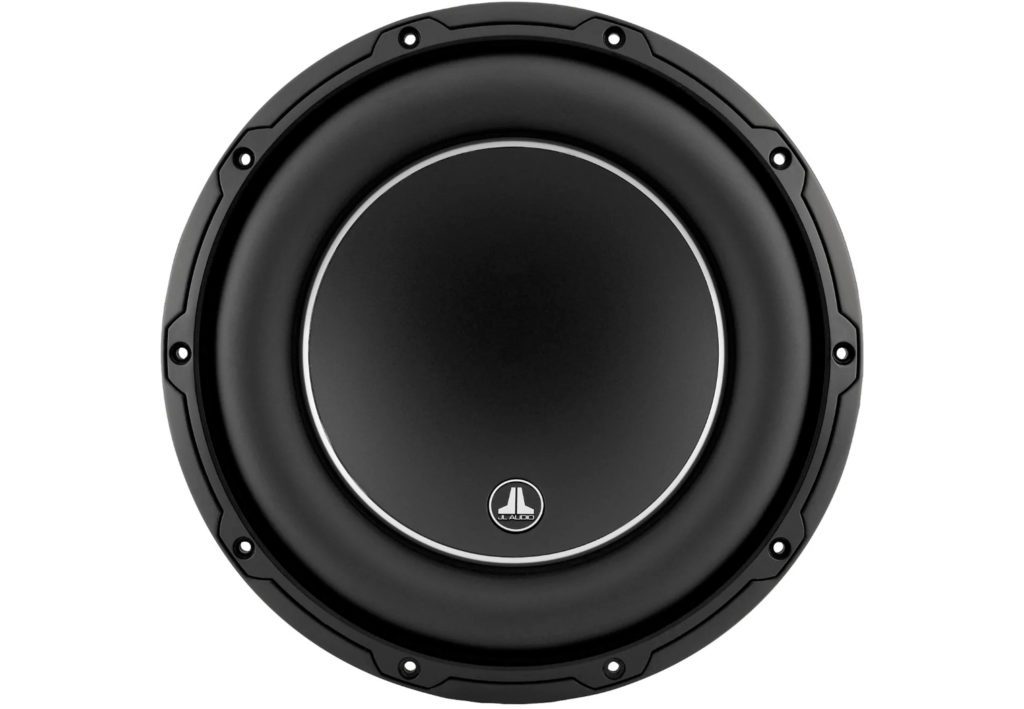
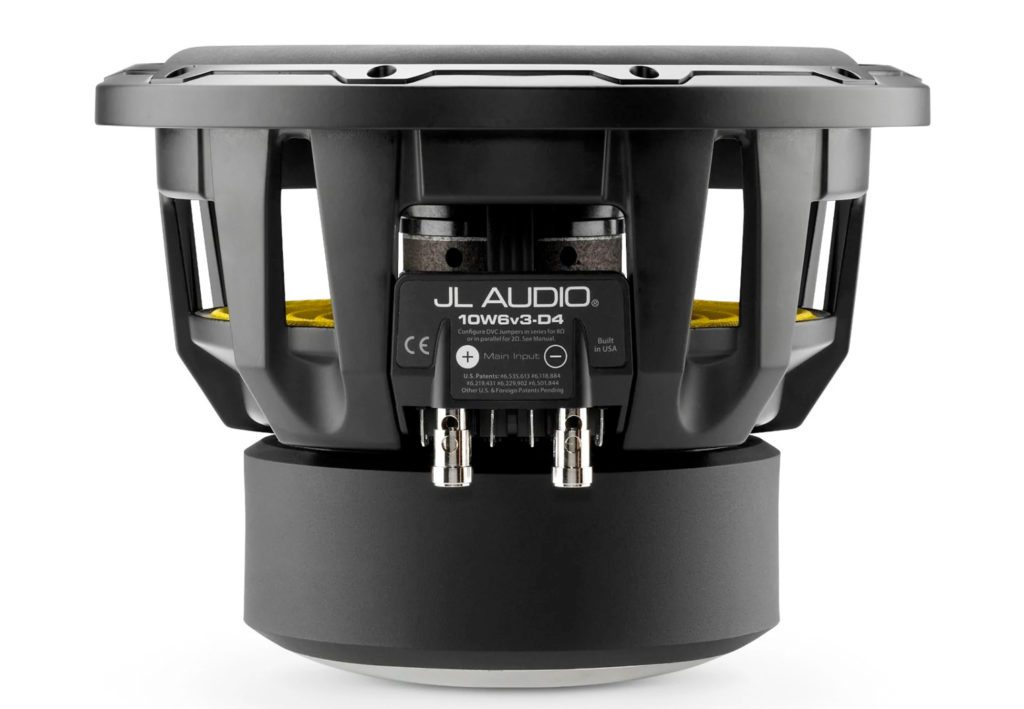
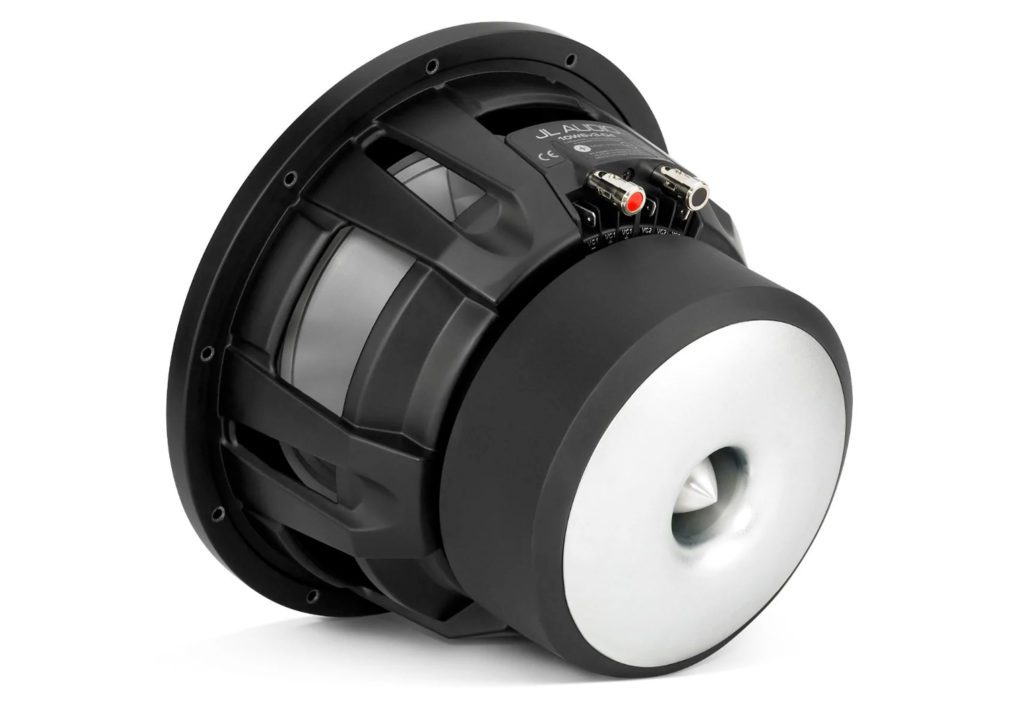
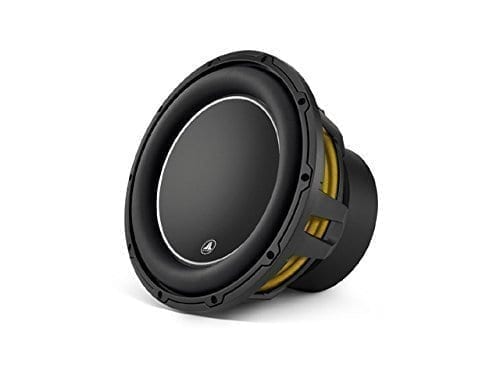
JL Audio W6v3
Home-theater-grade clarity · 10″–12″
CarAudioNow may earn a commission from retailer links. Brands do not influence the recommendations.
Why I picked it
JL has spent decades earning trust with installers, and the JL Audio W6v3 is the one I recommend when you want “home-theater-grade” control in a daily driver. The mineral-filled polypropylene cone and cast-alloy basket stay quiet under stress, so bass remains clean at higher volumes and in smaller boxes.
What I love most is how well the 10″ performs in tight sealed enclosures (as small as ~0.6 ft³ net). JL borrows heavily from the W7 here: DMA motor modeling, Pole-Vent Airflow Control and Raised-Frame Cooling are all on board. I’ve run W6v3s in my own vehicles — and a few boats — and keep coming back to them for that “just right” mix of depth and definition.
| Make | JL Audio |
| Model | W6v3 |
| Type | Component subwoofer |
| RMS Power | 300–600W (size-dependent) |
| Voice Coil | DVC 4Ω |
| Enclosure | Compact sealed (~0.6 ft³) |
Reasons to buy
- “Home-theater-grade” control in a daily driver
- Excellent in tight sealed boxes (~0.6 ft³ for the 10″)
- W7-derived tech: DMA, Pole-Vent, Raised-Frame Cooling
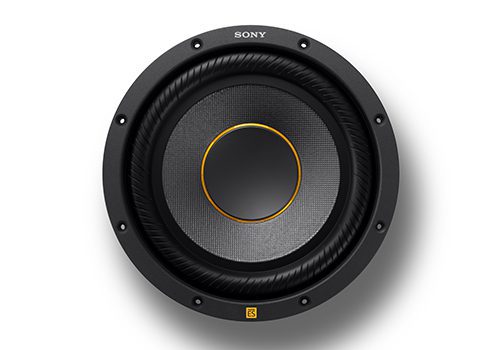
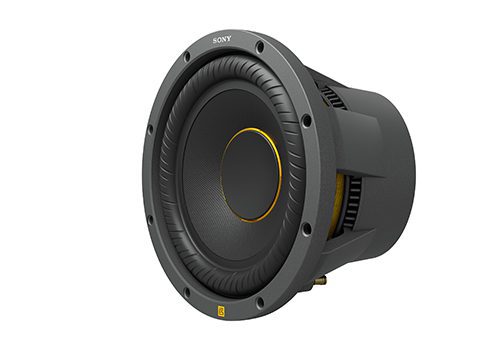
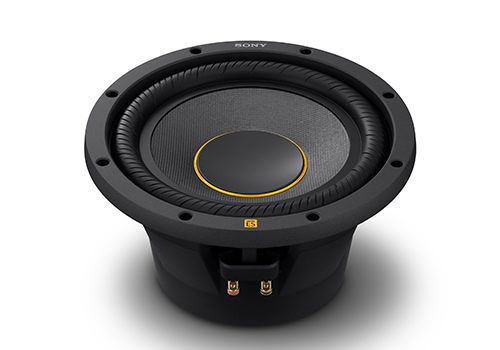
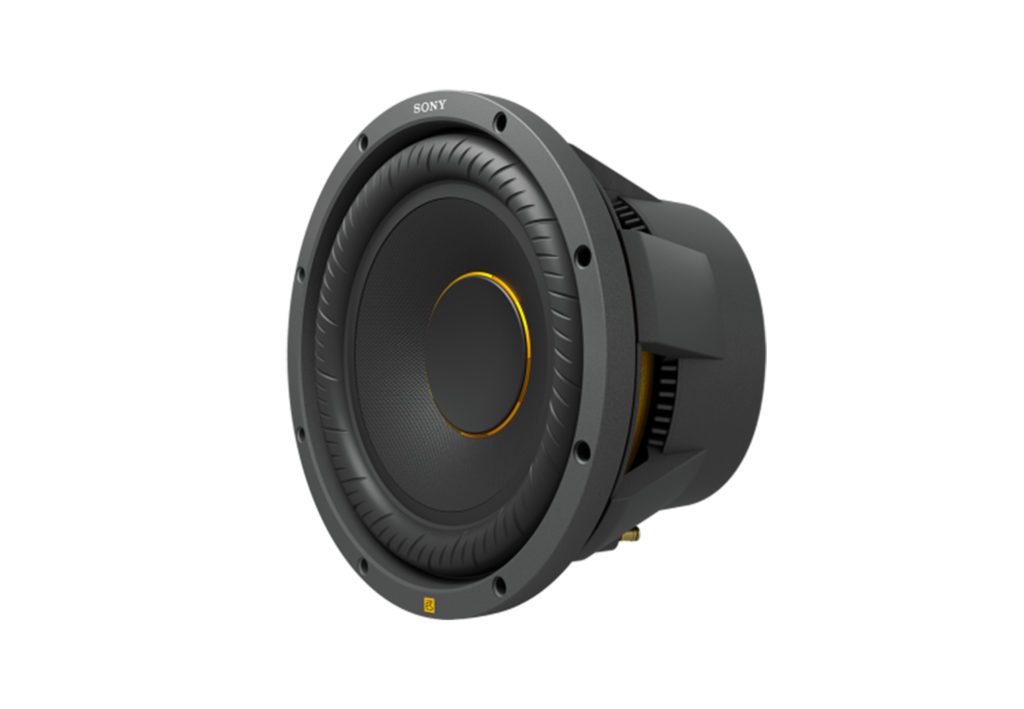
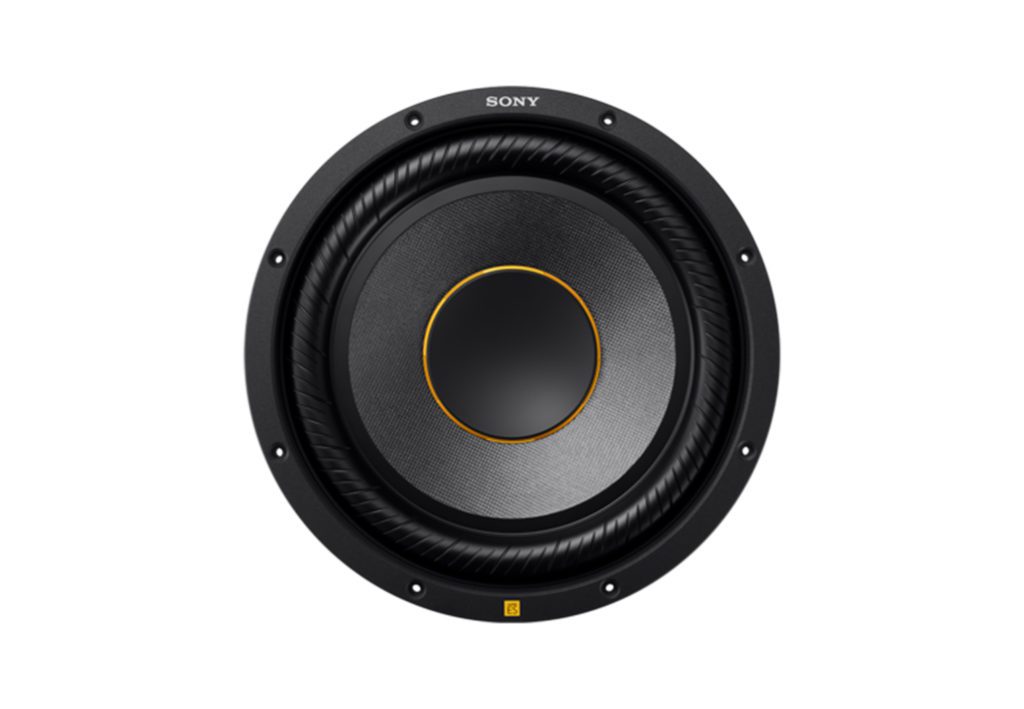
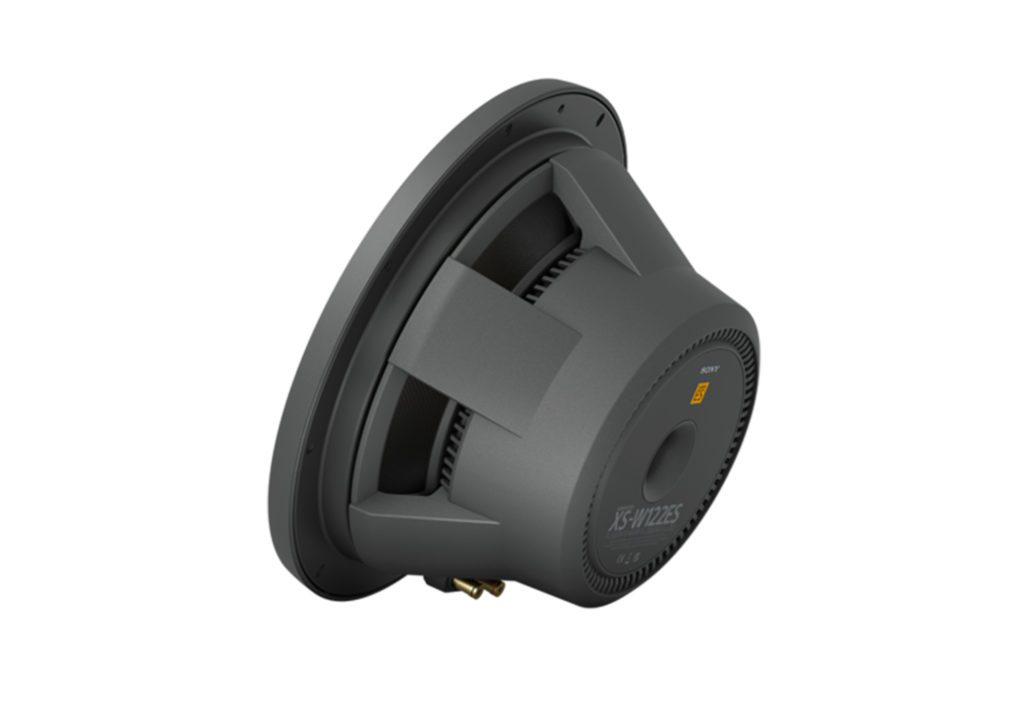
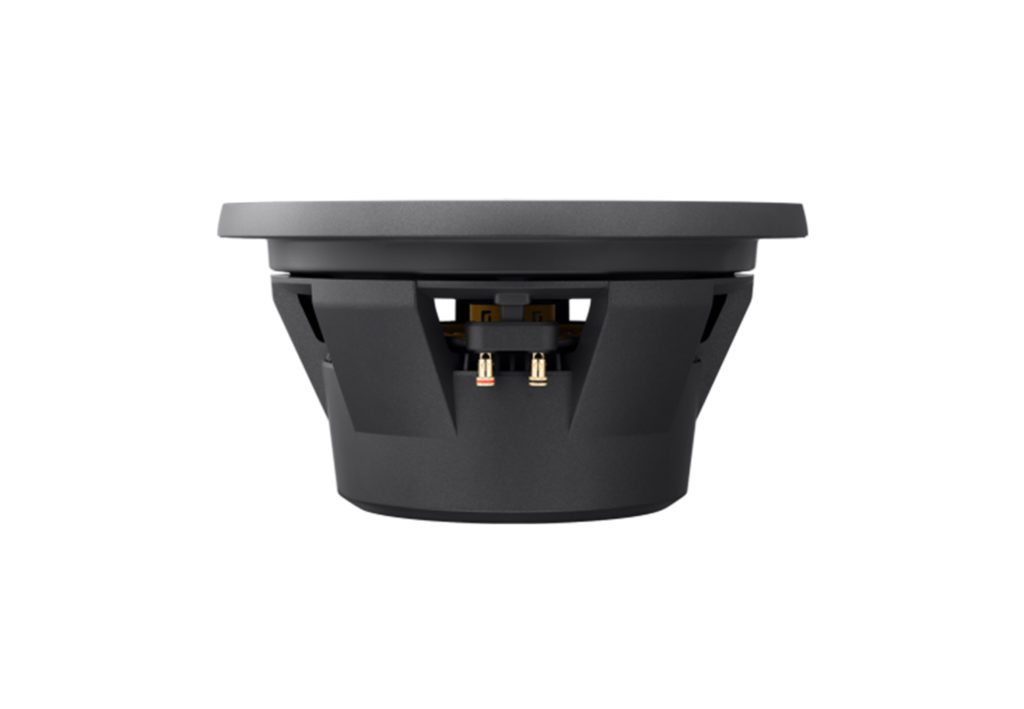
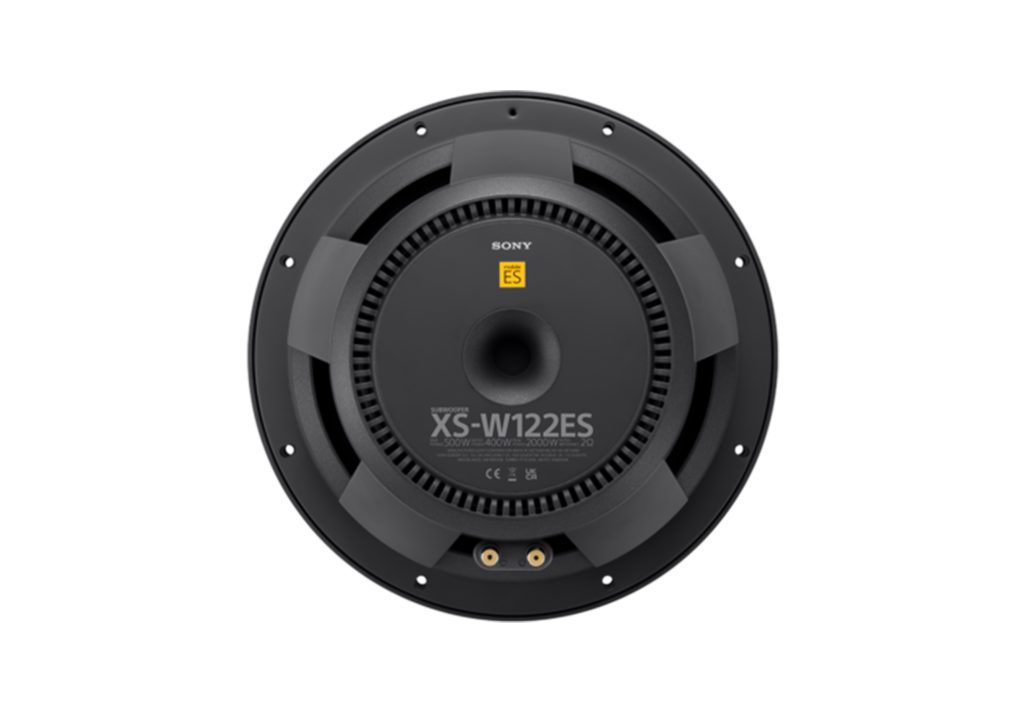
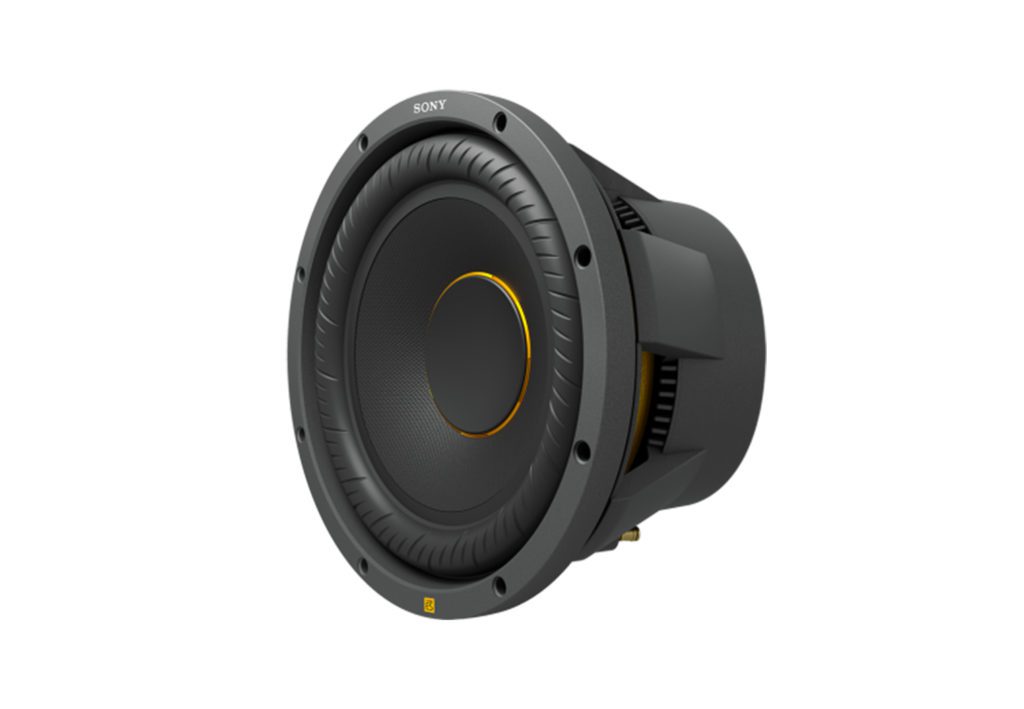
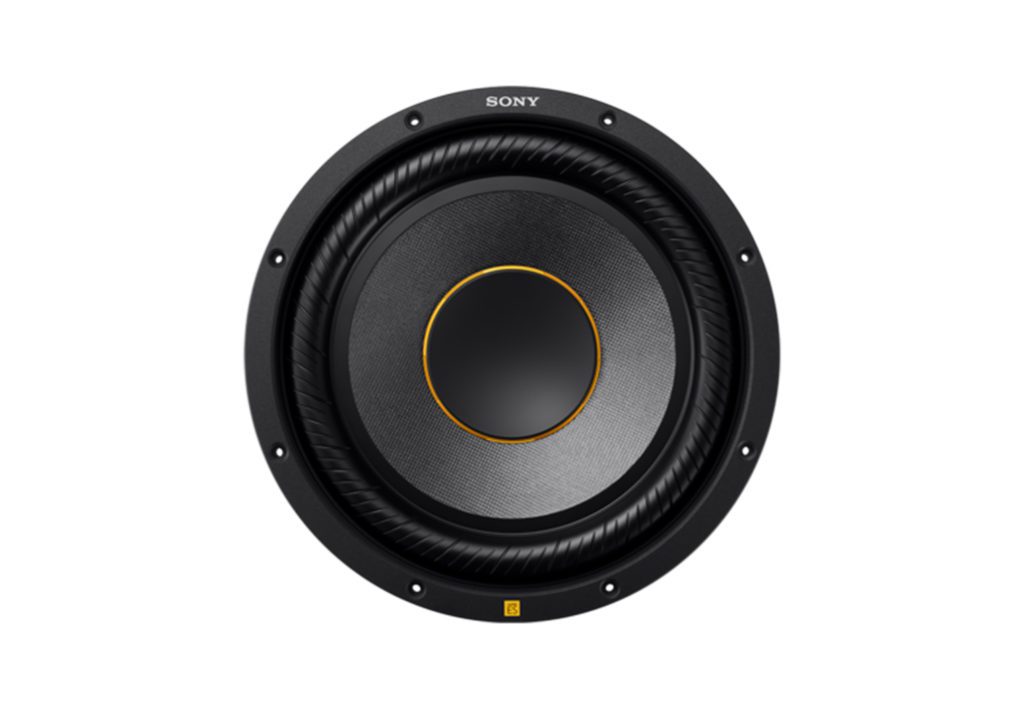
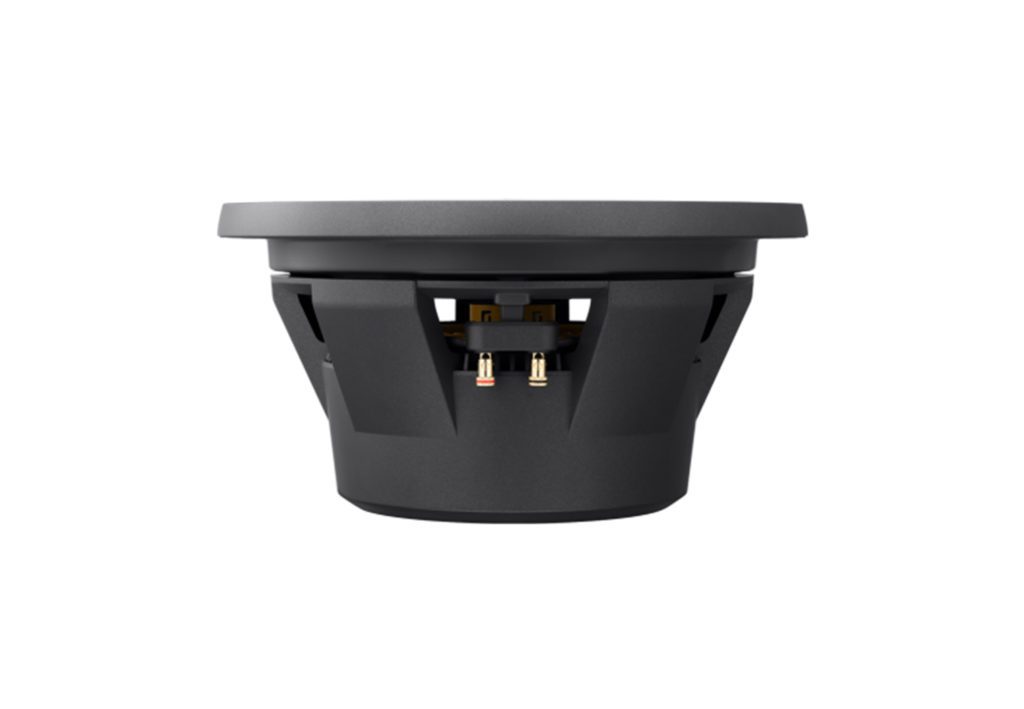
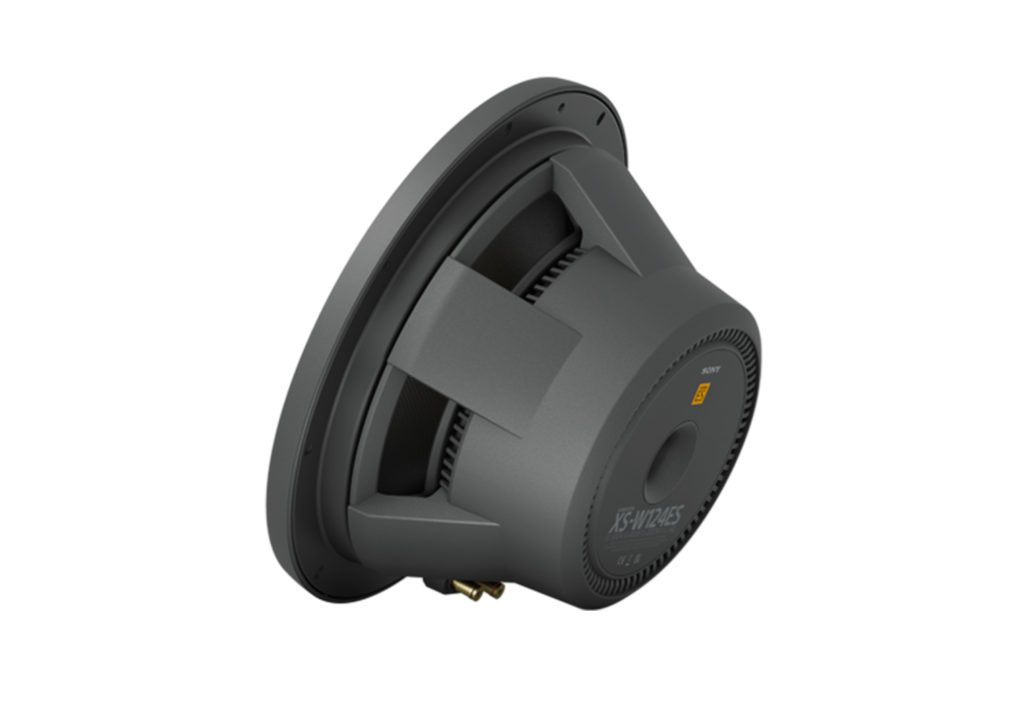
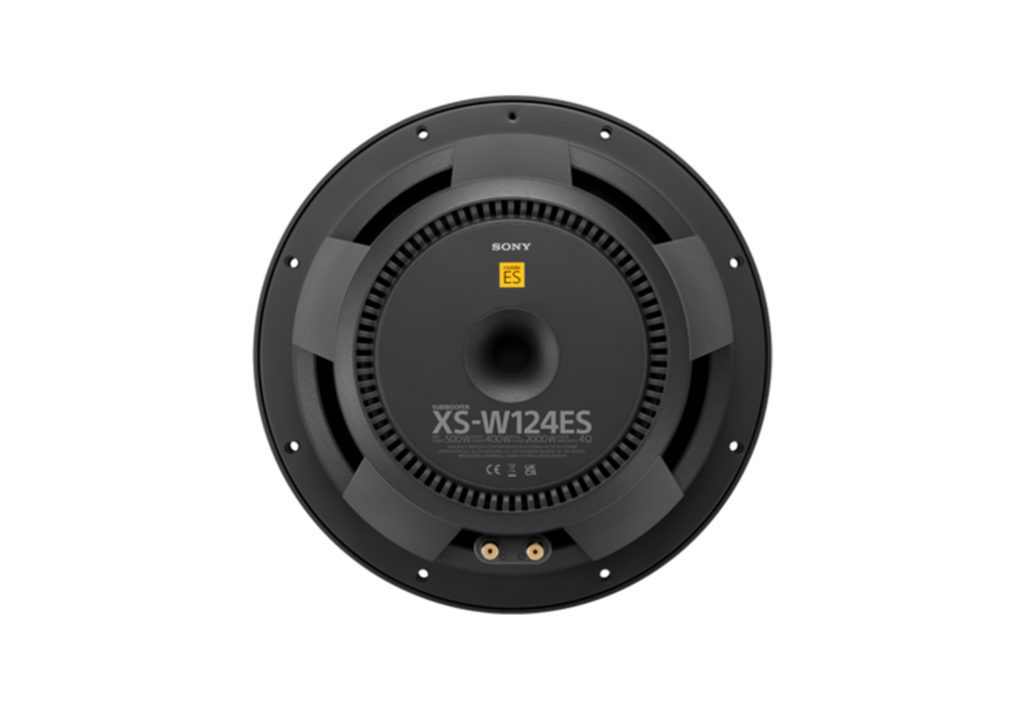
Sony Mobile ES
Aramid-fiber ES sub · 10″–12″ · 2Ω / 4Ω
CarAudioNow may earn a commission from retailer links. Brands do not influence the recommendations.
Why I picked it
When Sony launched Mobile ES in 2021, I was eager to try the 10″ and immediately installed one in a Mk7.5 GTI build — a great blend of punch and poise. In 2022 Sony added 12″ options in 2Ω and 4Ω, rounding out the lineup.
I dig the looks and the tech: a honeycomb-stamped aramid-fiber cone for rigidity, Sony’s Separated Notch Edge surround and a progressive-rate spider to extend X-max and efficiency. These shine in modestly sized ported enclosures when you want more output without huge power. Full notes in my Mobile ES 12″ review and the GTI install write-up.
| Make | Sony |
| Model | Mobile ES (XS-W) |
| Type | Component subwoofer |
| RMS Power | 500W |
| Voice Coil | 2Ω / 4Ω |
| Enclosure | Modest ported |
Reasons to buy
- Great blend of punch and poise
- Aramid-fiber cone + Separated Notch Edge surround
- Efficient — big output without huge power
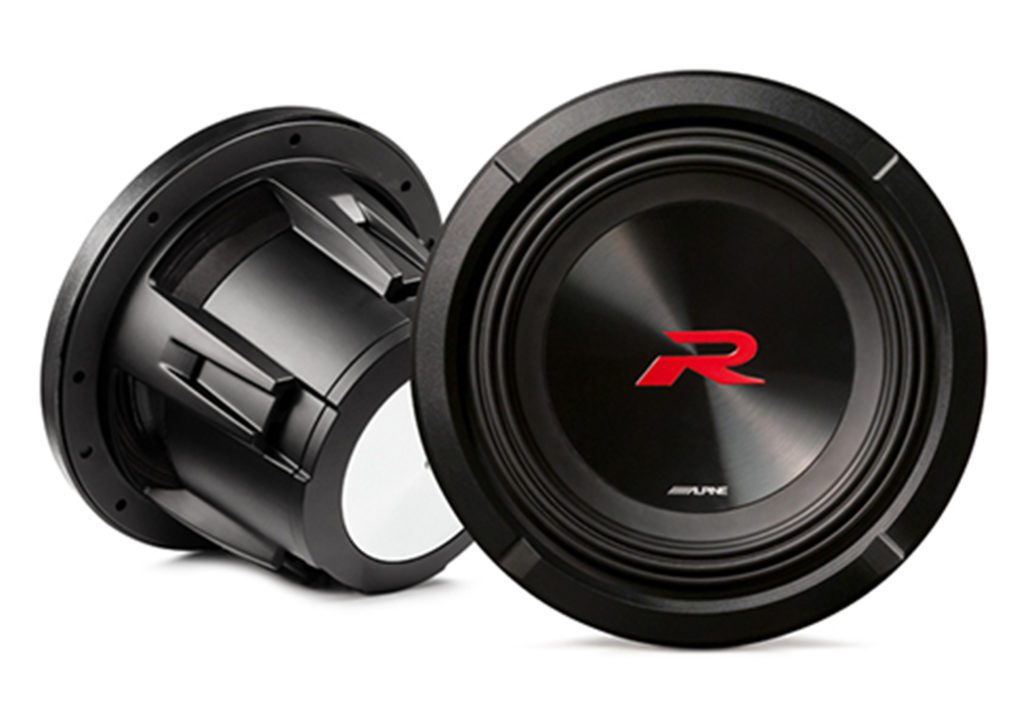
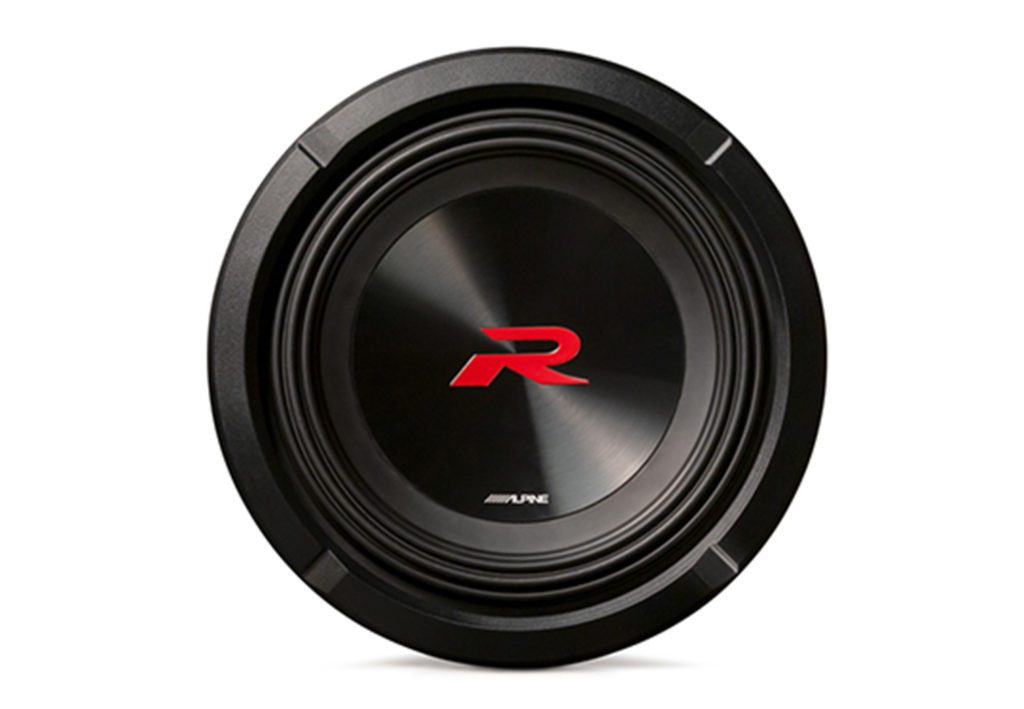
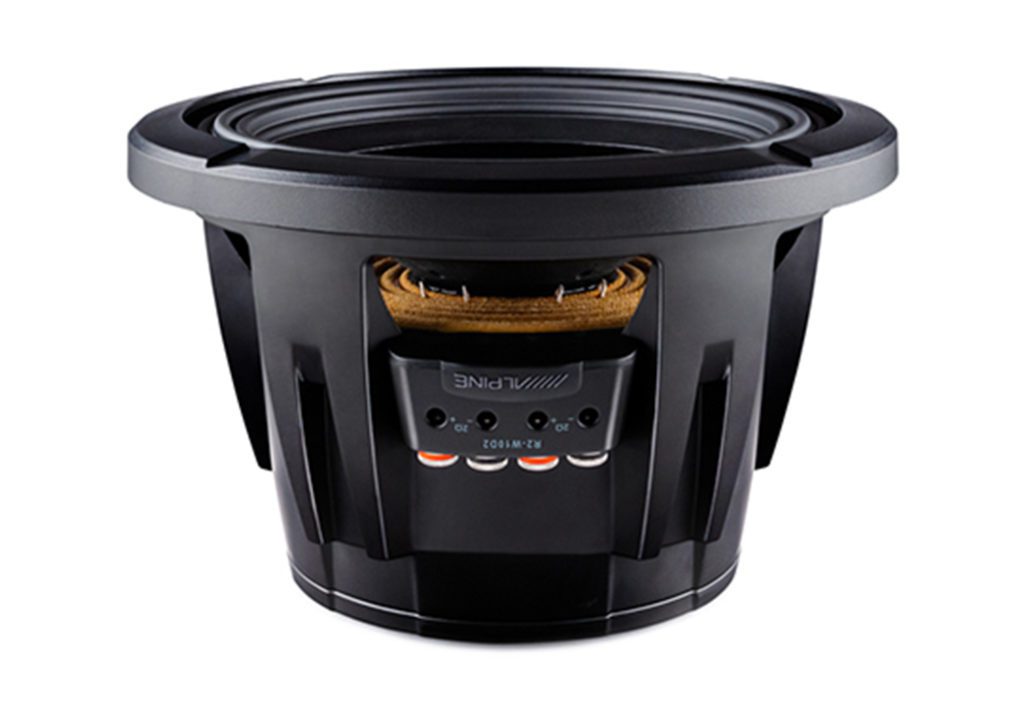
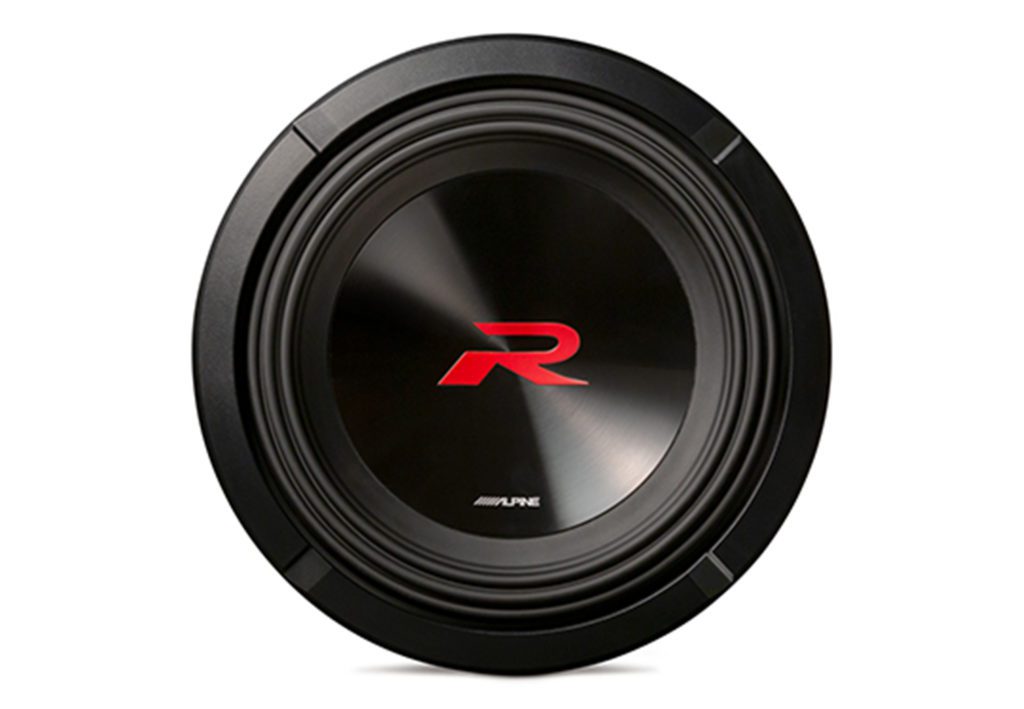
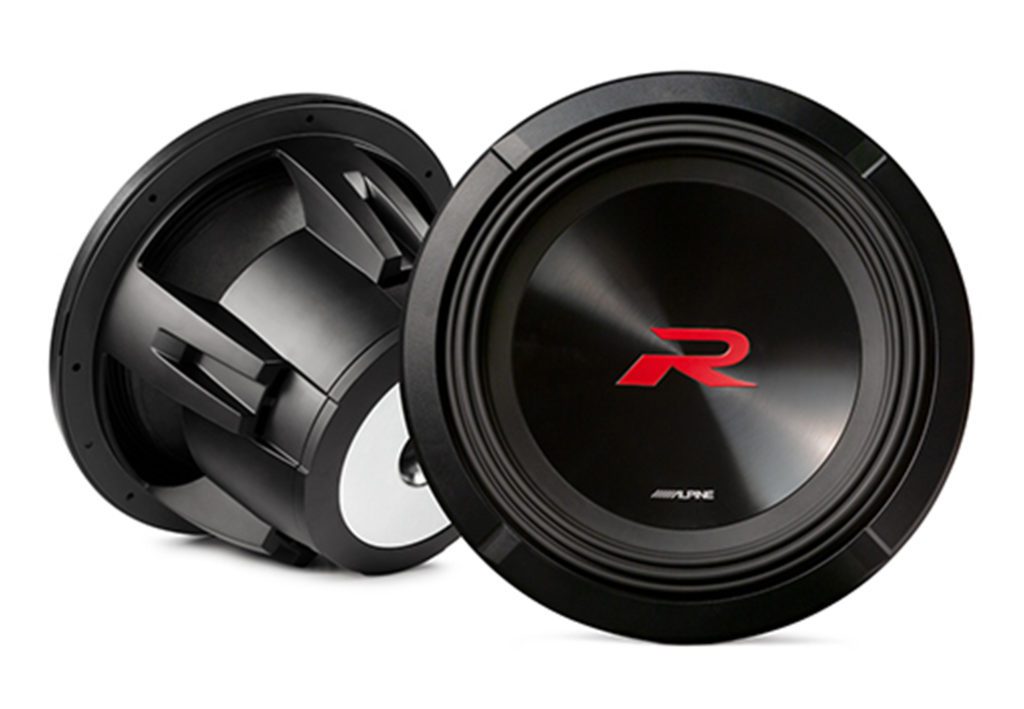
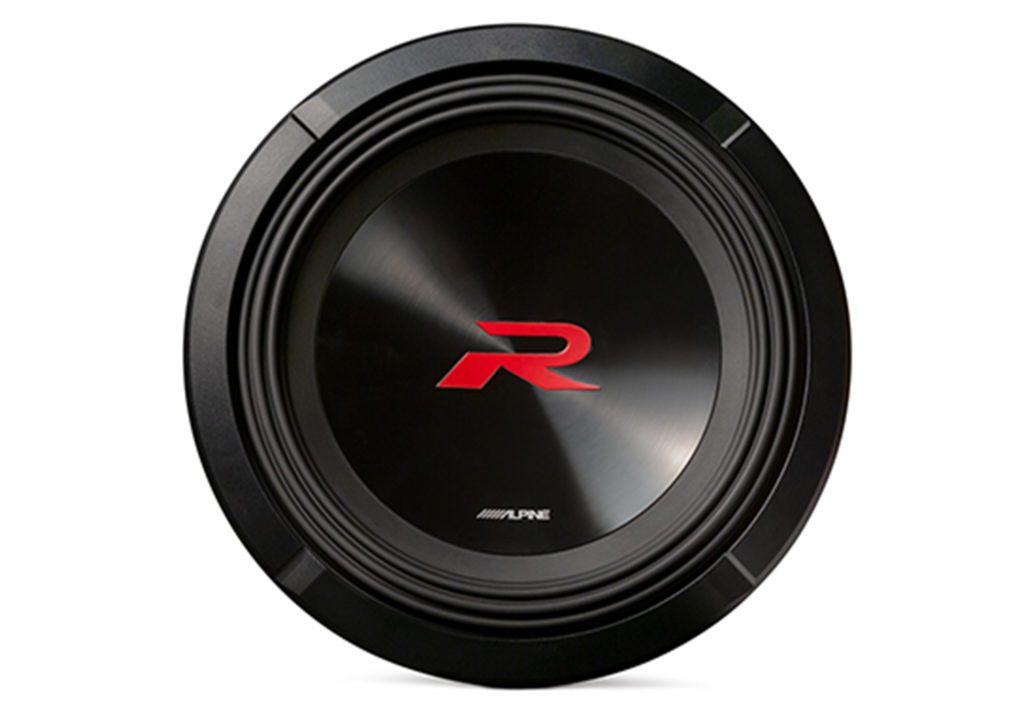
Alpine R2-W (2nd Gen R)
Big-bass R-Series value · 8″–12″ · 2Ω / 4Ω
CarAudioNow may earn a commission from retailer links. Brands do not influence the recommendations.
Why I picked it
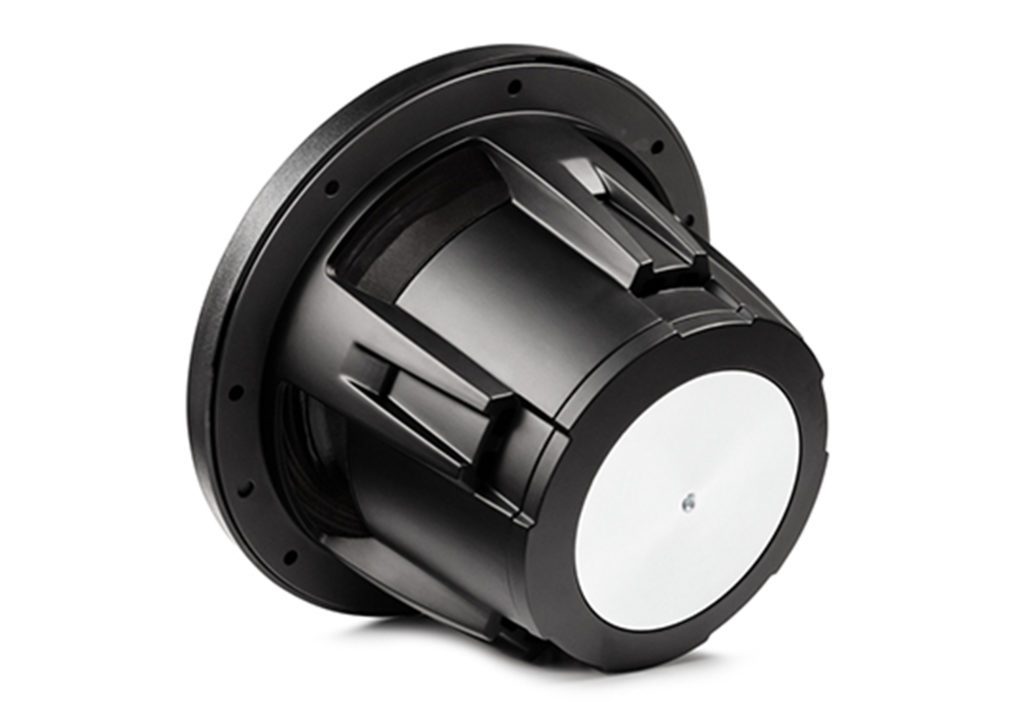
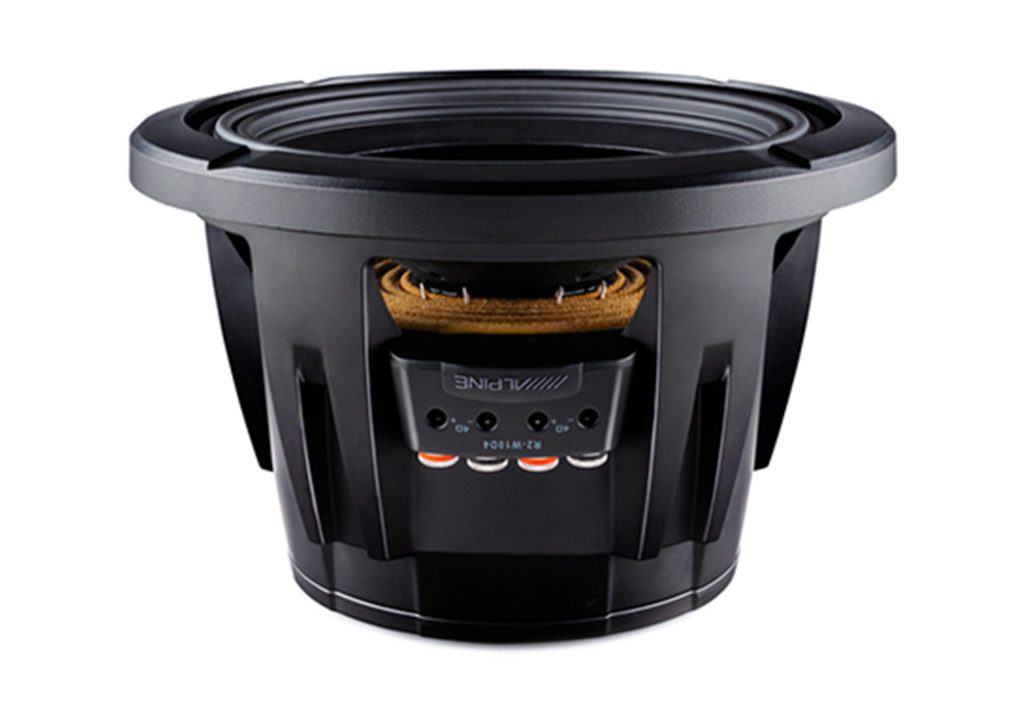
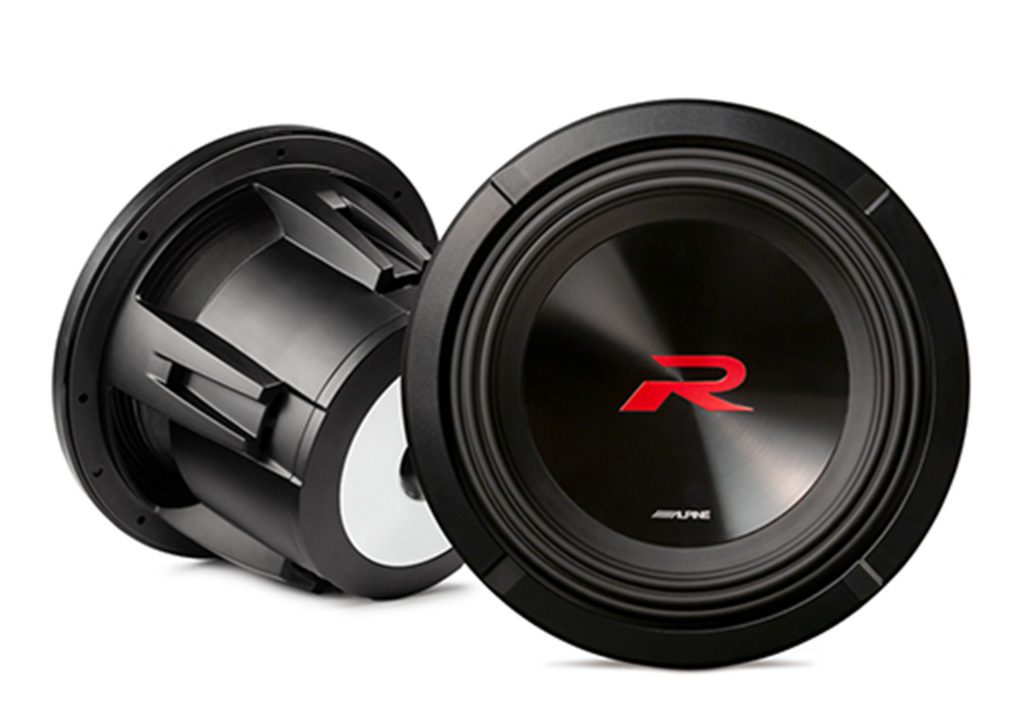
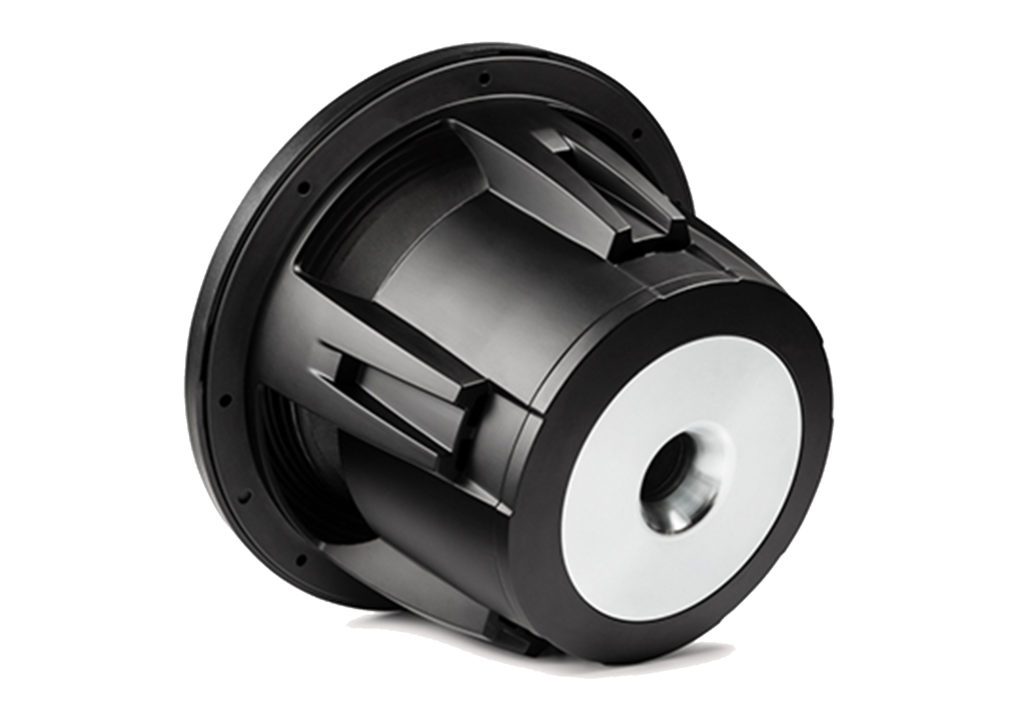
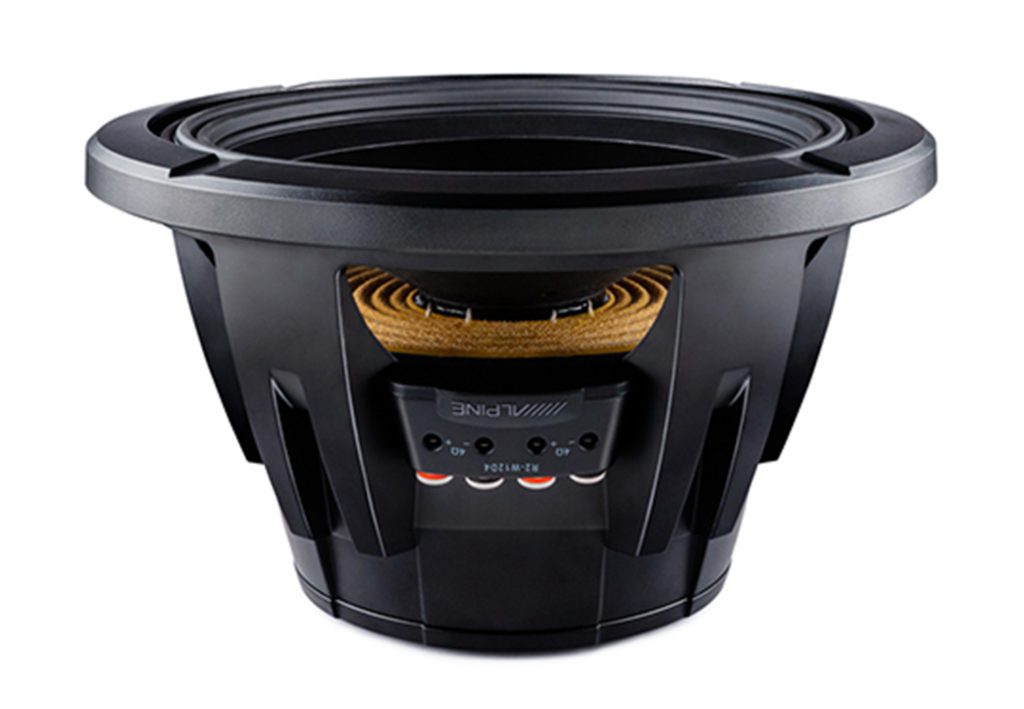
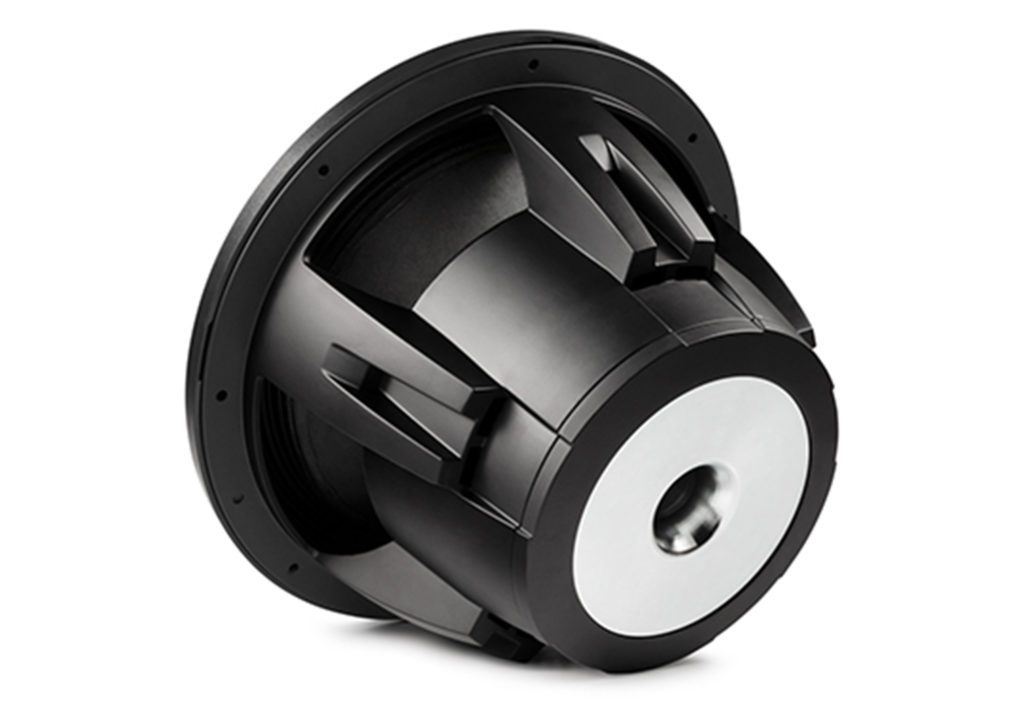
Alpine’s latest R-Series keeps what I liked about the original — big-bass fun at a sane price — and improves motor force, cooling and surround geometry. With 2Ω and 4Ω DVC options across 8″/10″/12″ sizes, they’re easy to configure in pairs. You’ll want a healthy monoblock to wake them up.
The HAMR surround extends linear excursion, while a Kevlar-reinforced pulp cone keeps mass down. A poly-ceramic dust cap stiffens the cone further and the frame minimizes unwanted resonances. Cross-shopping amps? My best car amplifiers roundup will help you get the most from an R-Series setup.
| Make | Alpine |
| Model | R2-W (2nd Gen R) |
| Type | Component subwoofer |
| RMS Power | 350–750W (size-dependent) |
| Voice Coil | DVC 2Ω / 4Ω |
| Enclosure | Sealed or ported |
Reasons to buy
- Big-bass fun at a sane price
- 2Ω/4Ω DVC across 8″/10″/12″ — easy to pair
- HAMR surround + Kevlar-reinforced cone
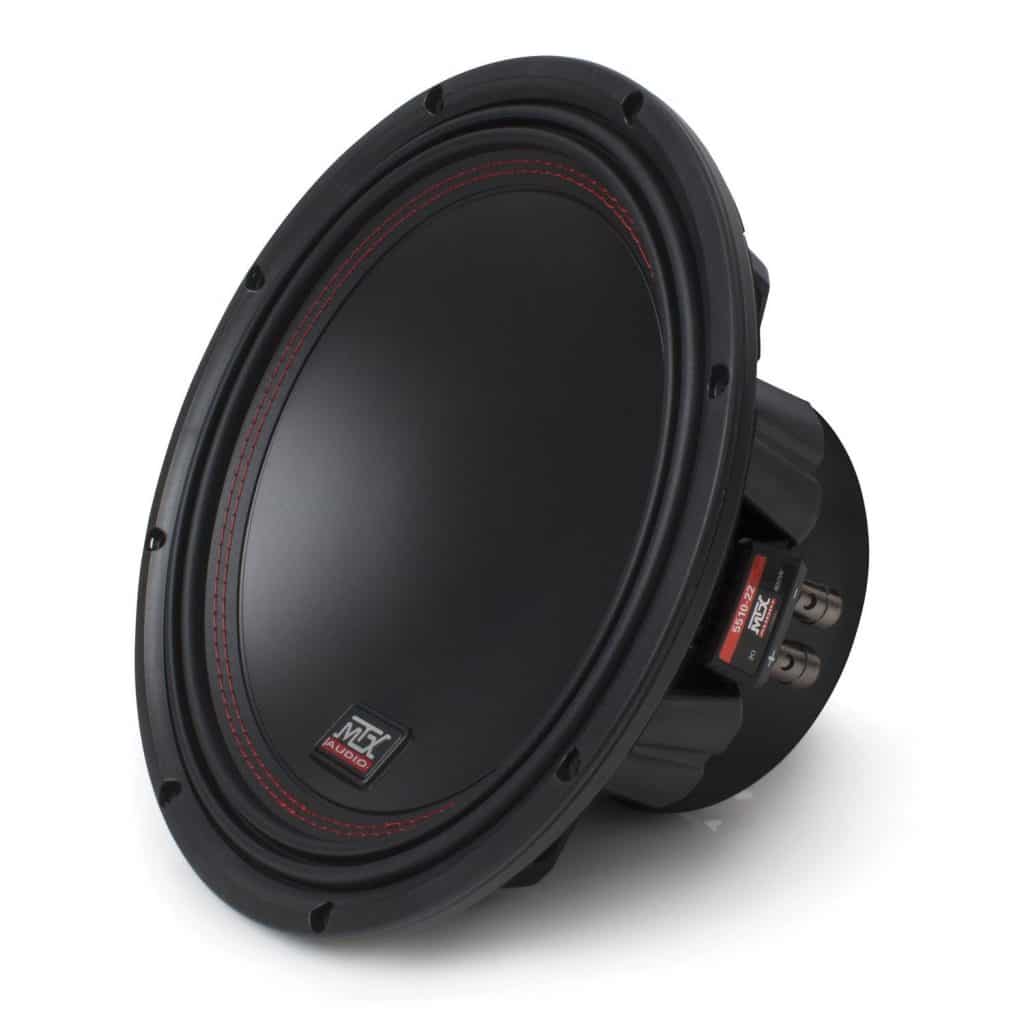
MTX 55 Series
Budget bass done right · 10″–15″
CarAudioNow may earn a commission from retailer links. Brands do not influence the recommendations.
Why I picked it
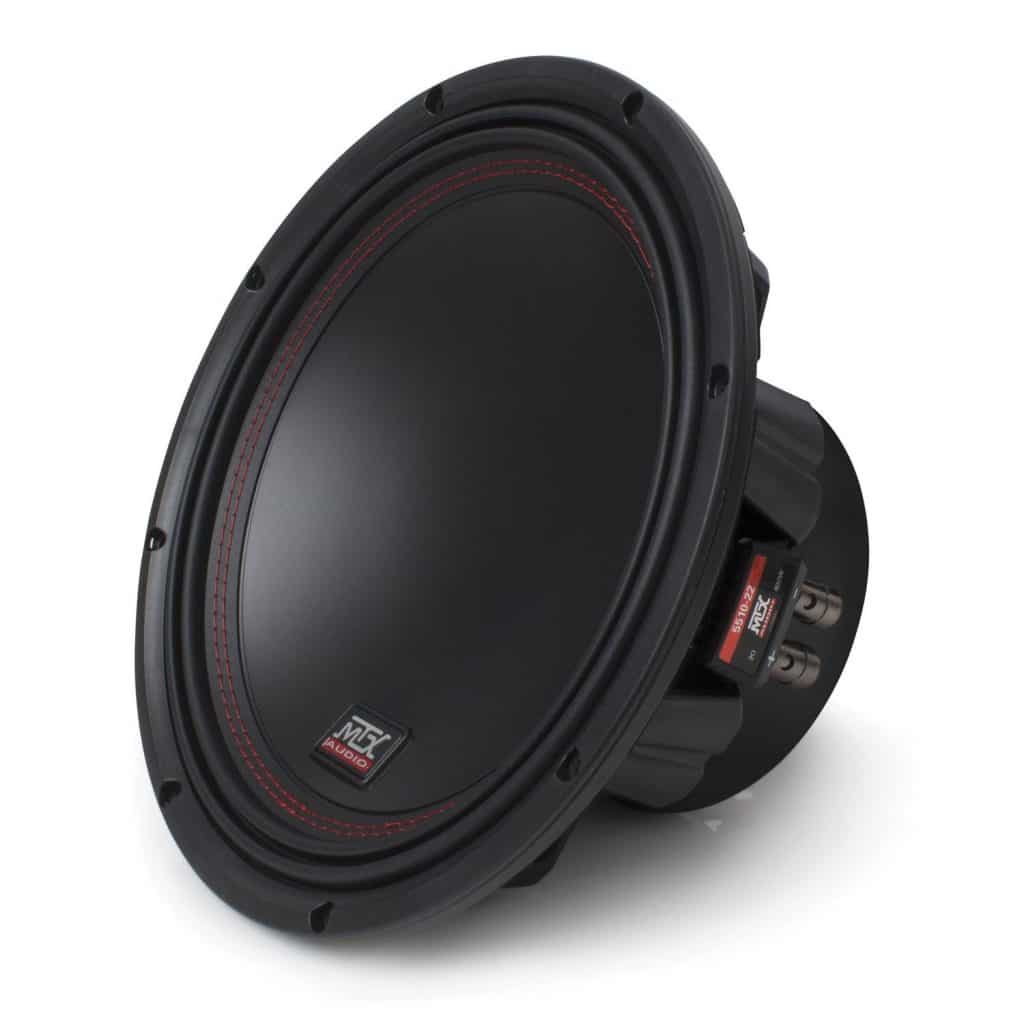
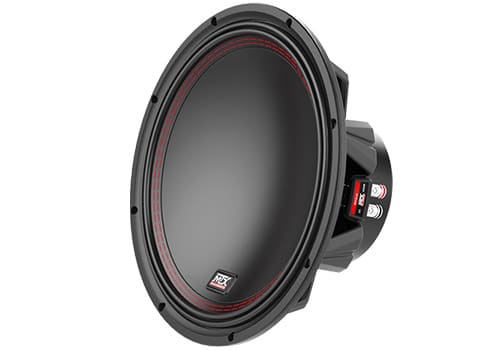
Good bass on a budget is absolutely doable. MTX borrows proven bits from its pricier lines — an inverted-apex surround for more cone area, a progressive spider for control, a ribbed T-Yoke for cooling — and packages them into the MTX 55. I’ve used these in first-system builds where value matters.
Keep expectations realistic, give them a solid ported enclosure, and they’ll surprise you. More in my MTX 55 feature review.
| Make | MTX |
| Model | 55 Series |
| Type | Component subwoofer |
| RMS Power | 400W |
| Voice Coil | DVC 4Ω |
| Enclosure | Ported |
Reasons to buy
- Real bass on a tight budget
- Inverted-apex surround for more cone area
- Sizes from 10″ to 15″
Get the box size & depth for your exact vehicle
Tell us your year, make and model and we’ll show the enclosure, mounting depth and power that fit — then point you to the right series above.
Component subwoofer FAQ
Sealed or ported for a component sub?+
Sealed emphasizes transient accuracy in a smaller box; ported delivers more output per watt and deeper extension when designed correctly. Your music and space decide.
What size should I get?+
8″ is fast and tight; 10″ is the all-around balance of depth and slam; 12″/13.5″ give deeper extension and higher output for an SQ + SPL blend.
Why recommend a series instead of one size?+
Because the right size depends on your car and your music. We stand behind the line — its motor, cone and sound — then let you choose the size that fits your space and goals.
More subwoofer guides & how-tos
Keep going — boxes, amps, and the rest of the subwoofer silo:
Why trust CarAudioNow?
