

Why I built this guide
A shallow-mount sub exists for one reason: real bass where a normal sub physically won’t fit — under a truck seat, behind a seat back, anywhere mounting depth is the hard limit. You give up a little ultimate output for a lot of placement freedom, and for most daily drivers that’s a trade worth making.
Each pick here is a series, so you choose the size that fits your space — ranked below.
Compare my 8 shallow subwoofer picks
| Best for ↕ | My pick ↕ | Sizes | RMS Power ↕ | Enclosure ↕ | Rating ↕ | Buy |
|---|---|---|---|---|---|---|
| Best Overall | 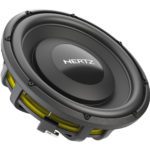 Hertz Mille Pro Shallow Hertz Mille Pro Shallow | 10″ 2Ω10″ 4Ω12″ 2Ω12″ 4Ω | ~500W | Compact sealed (0.4–0.5 ft³) | From $499.99 on Amazon | |
| Best for Trucks & Under-Seats | 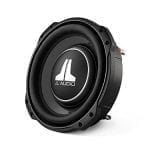 JL Audio TW3 JL Audio TW3 | 10″ 4Ω10″ 8Ω12″ 4Ω12″ 8Ω | 400–600W (size-dependent) | Sealed | From $439.99 on Amazon | |
| Best Tech | 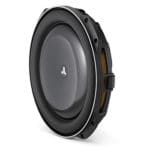 JL Audio TW5v2 JL Audio TW5v2 | 13.5″ 2Ω13.5″ 4Ω | 250W (up to 600W) | Sealed | From $819.00 on Amazon | |
| Best Heavy-Duty | 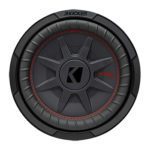 Kicker CompRT Kicker CompRT | 8″ 2Ω8″ 4Ω10″ 2Ω10″ 4Ω12″ 2Ω12″ 4Ω | 300–500W (size-dependent) | Small sealed | From $151.96 on Amazon | |
| Best for Precision SQ | 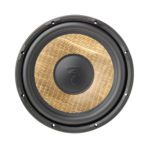 Focal Flax Evo Slim (FSE) Focal Flax Evo Slim (FSE) | 8″10″ | 200–280W (size-dependent) | Compact sealed or small ported | From $439.99 on Amazon | |
| Best Value | 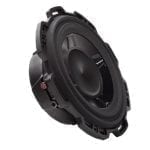 Rockford Fosgate Punch P3 Shallow Rockford Fosgate Punch P3 Shallow | 8″10″12″ | 150–400W (size-dependent) | Sealed | From $199.99 on Amazon | |
| Best Low Cost | 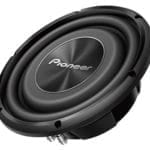 Pioneer TS-A Shallow Pioneer TS-A Shallow | 8″10″12″ | 250–400W (size-dependent) | Sealed (seat-back / under-seat) | From $117.95 on Amazon | |
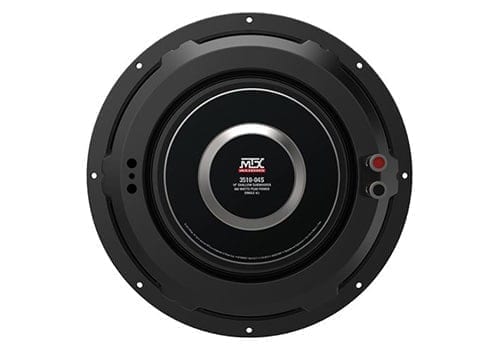
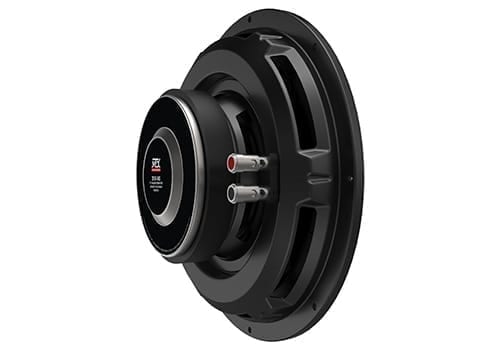
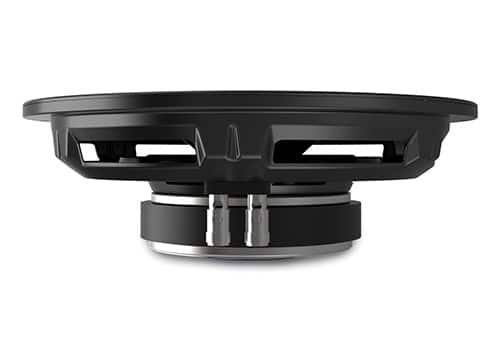
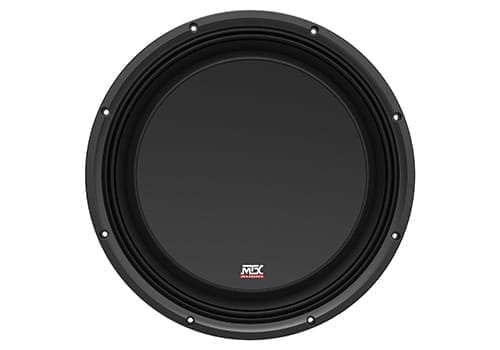
| Budget Runner-Up | 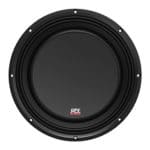 MTX FPR MTX FPR | 10″12″ | 300W | Sealed only | From $109.95 on Crutchfield |
CarAudioNow may earn a commission from retailer links. Brands do not influence the recommendations.
How we pick shallow & slim subs
Shallow subs exist for one job: add real bass when space is limited. Modern slim drivers use smarter motors, cones and cooling for excursion and control we used to expect only from deeper drivers — so I judge each on output-per-inch-of-depth, control, and how it behaves in a small sealed box.
The whole point of a slim driver — real SPL relative to how shallow it mounts under a seat or against a cab wall.
Shallow subs live in small sealed enclosures; we listen for tight, musical bass that doesn’t fall apart at volume.
Confined under-seat installs trap heat, so cooling and frame design decide daily-driver reliability.
Most land on 10″ or 12″; we use 8″ in extra-tight builds. We call out coil options so they’re easy to match to your amp.
My top shallow & slim subwoofer series
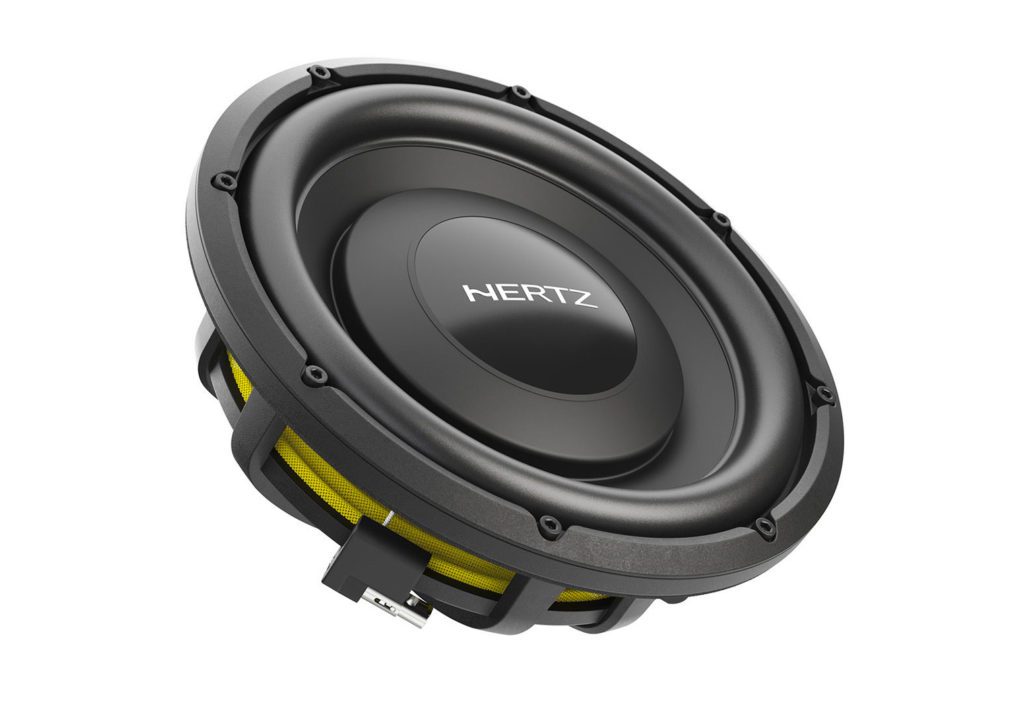
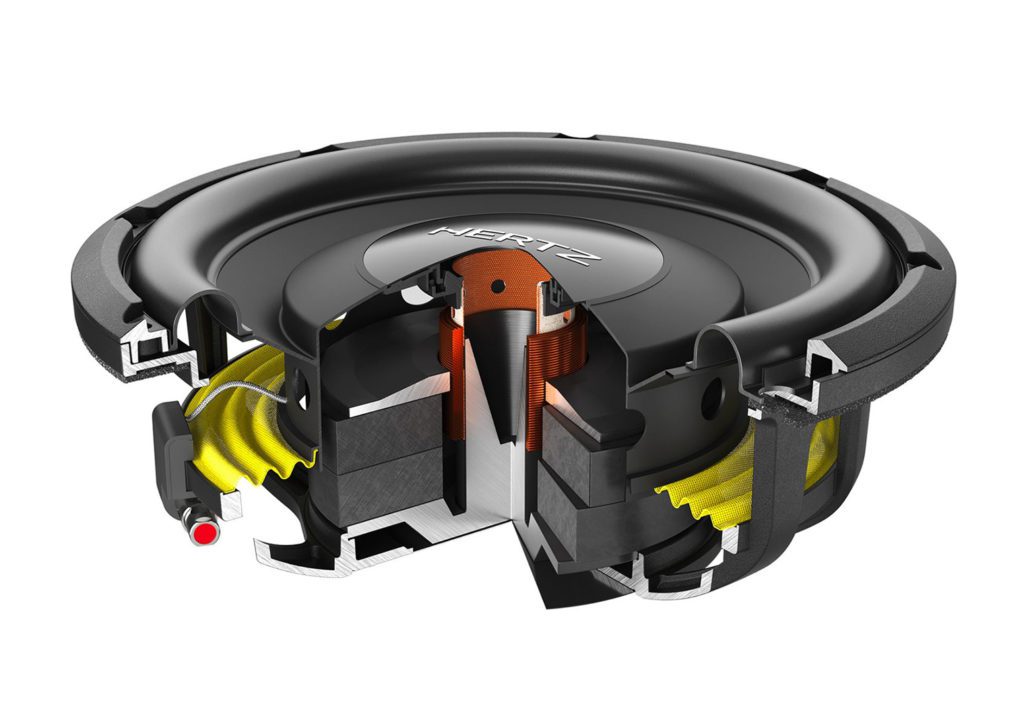
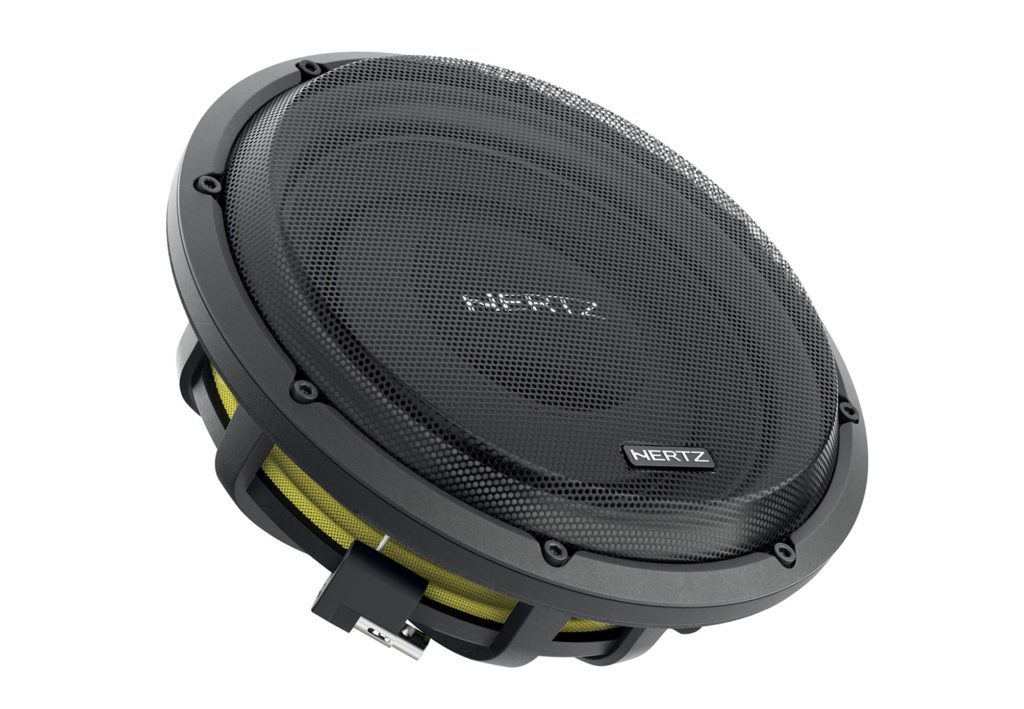
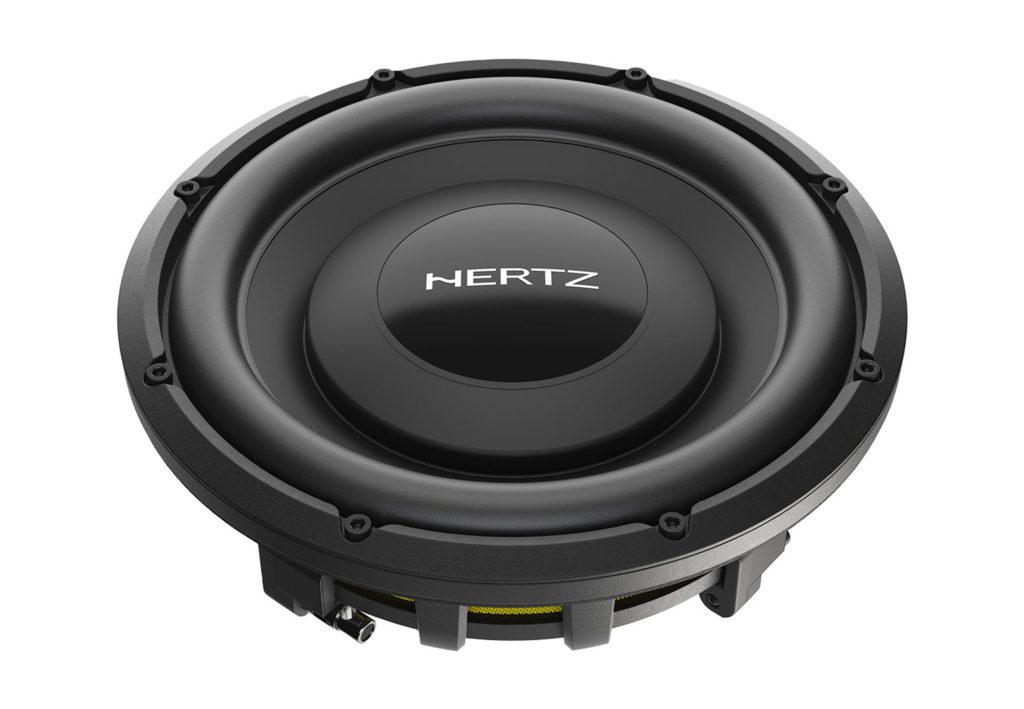
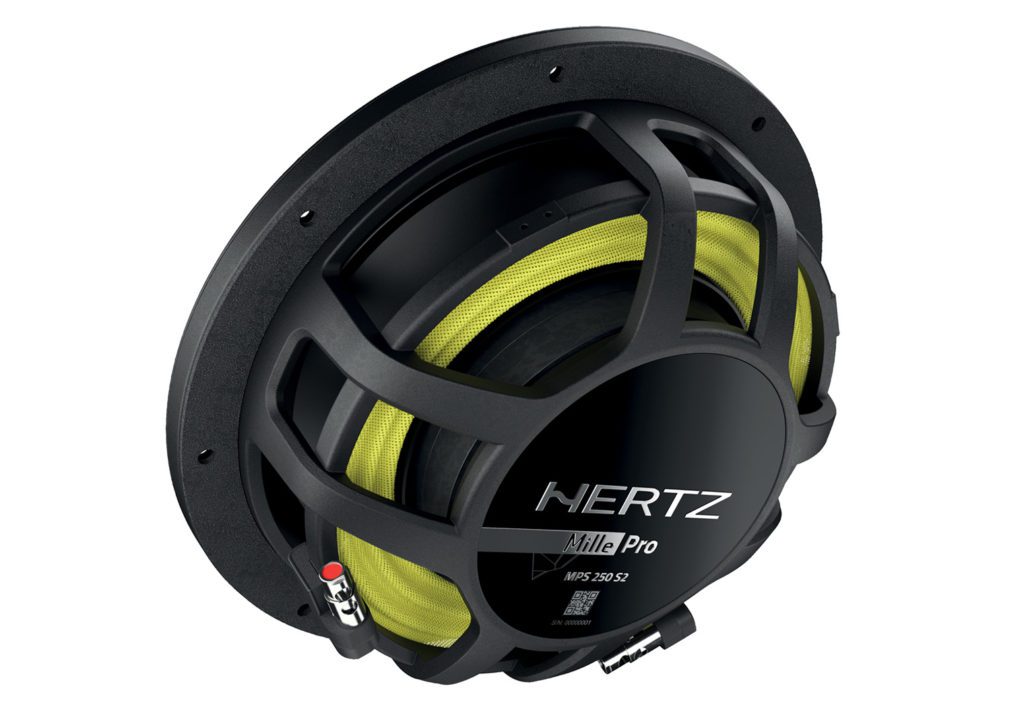
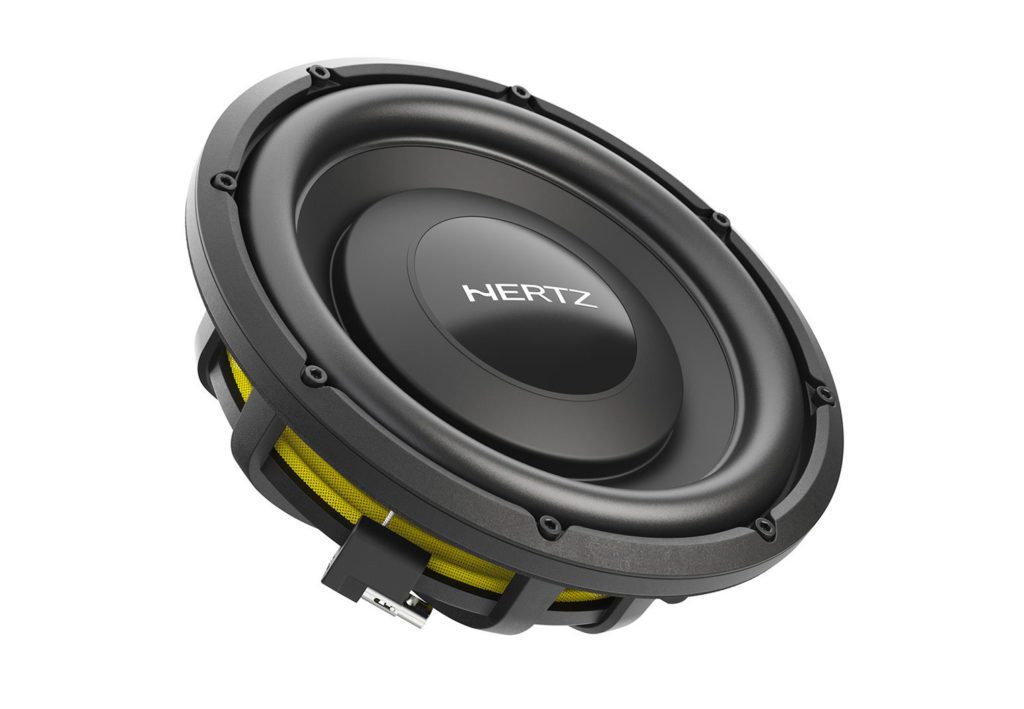
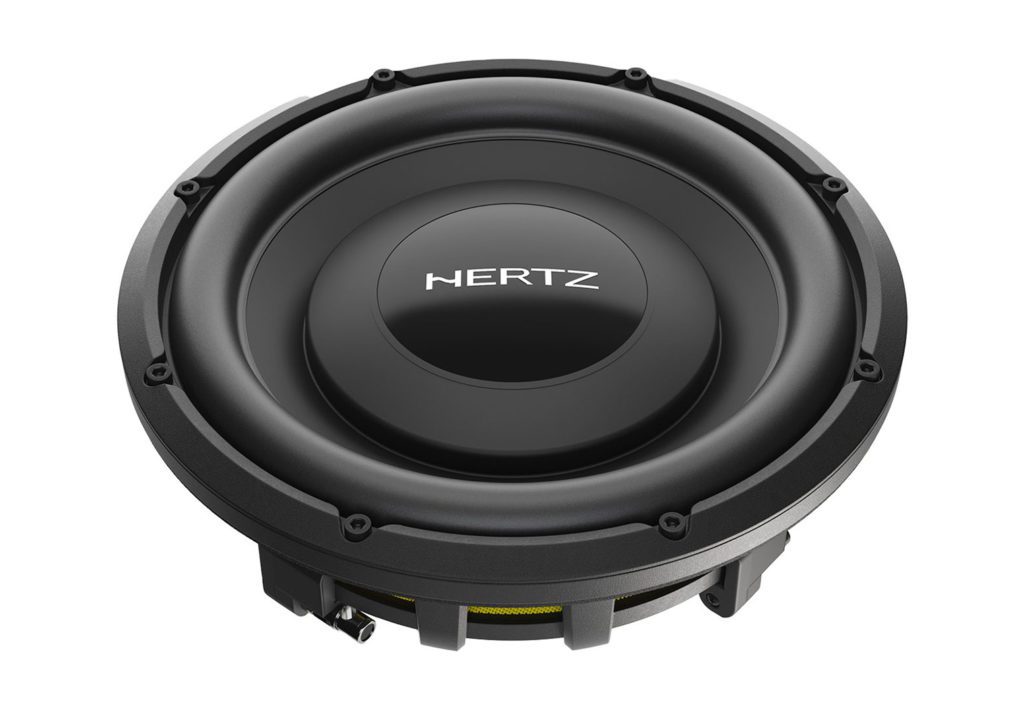

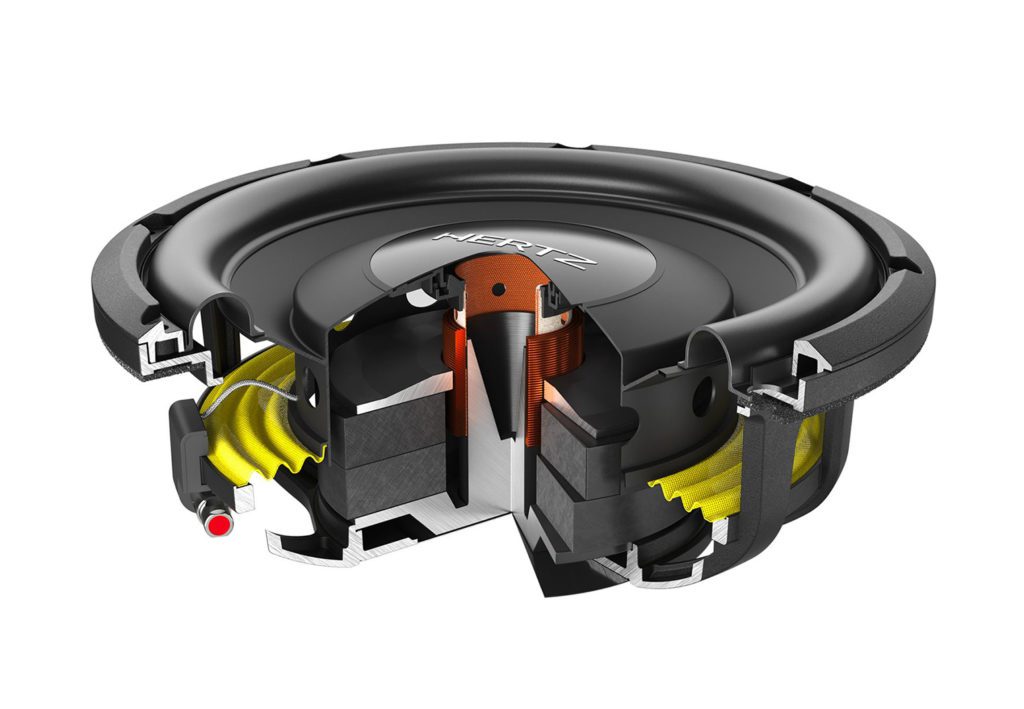
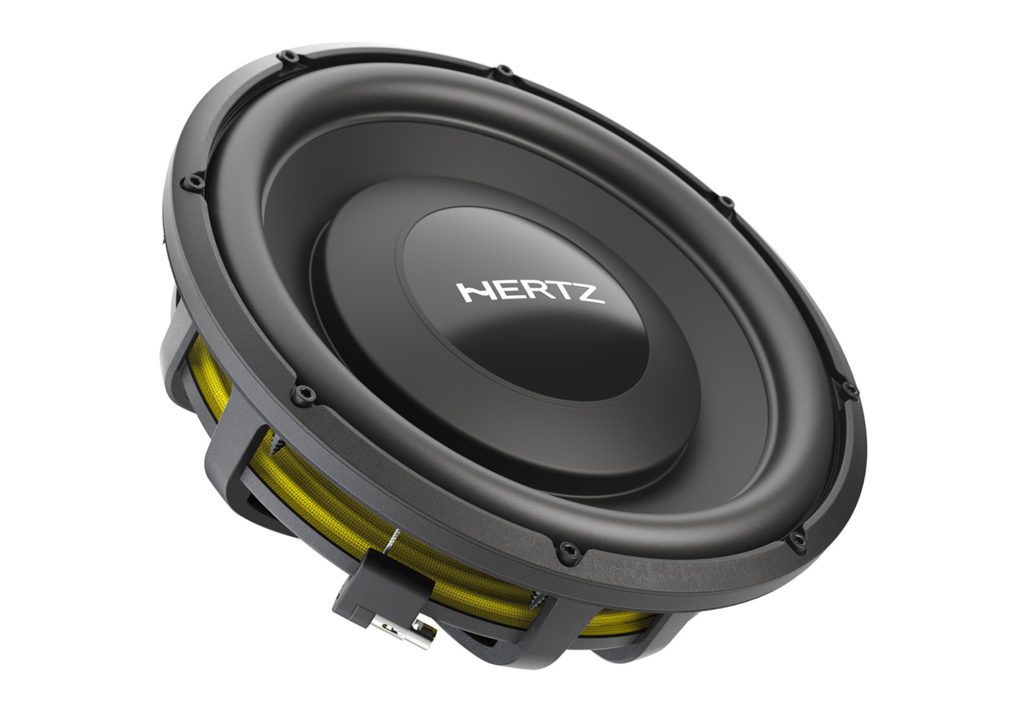
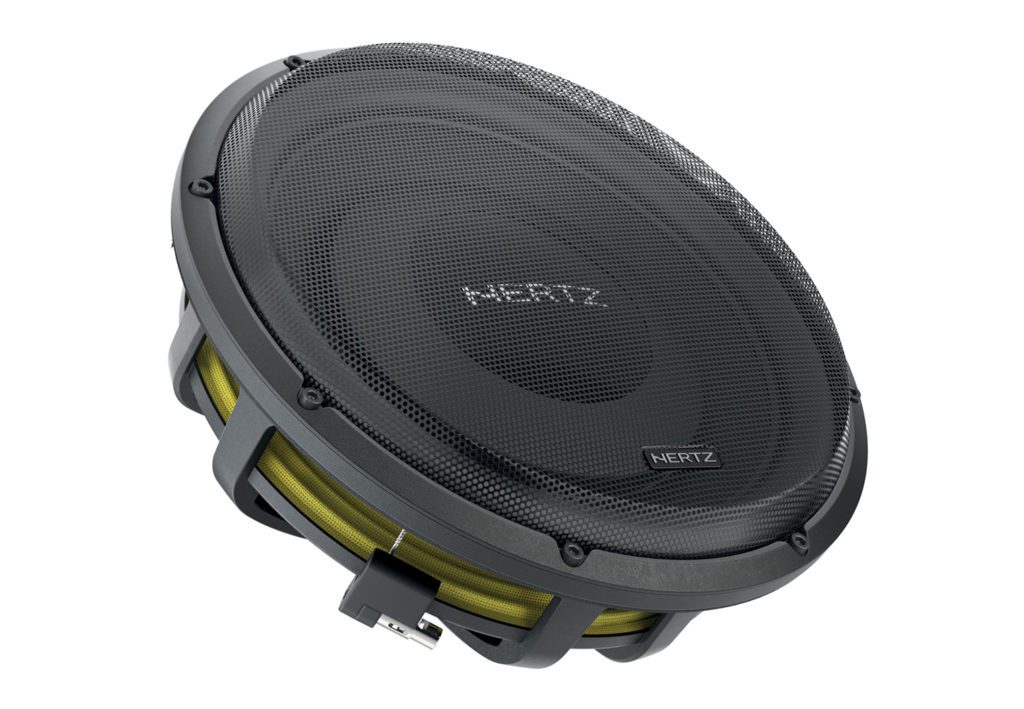
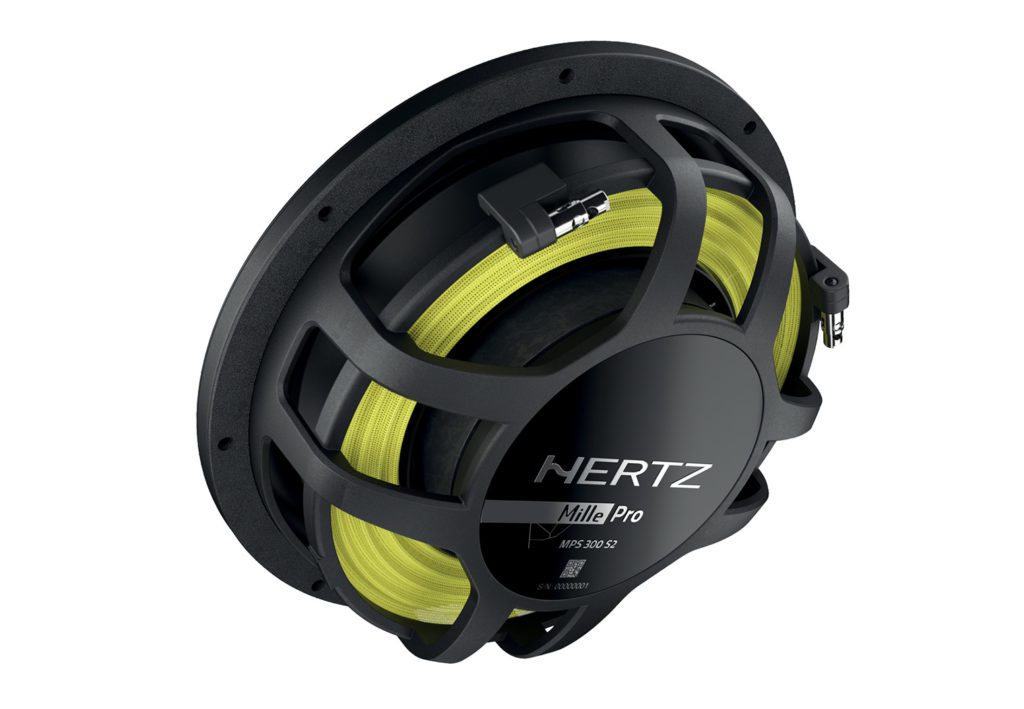
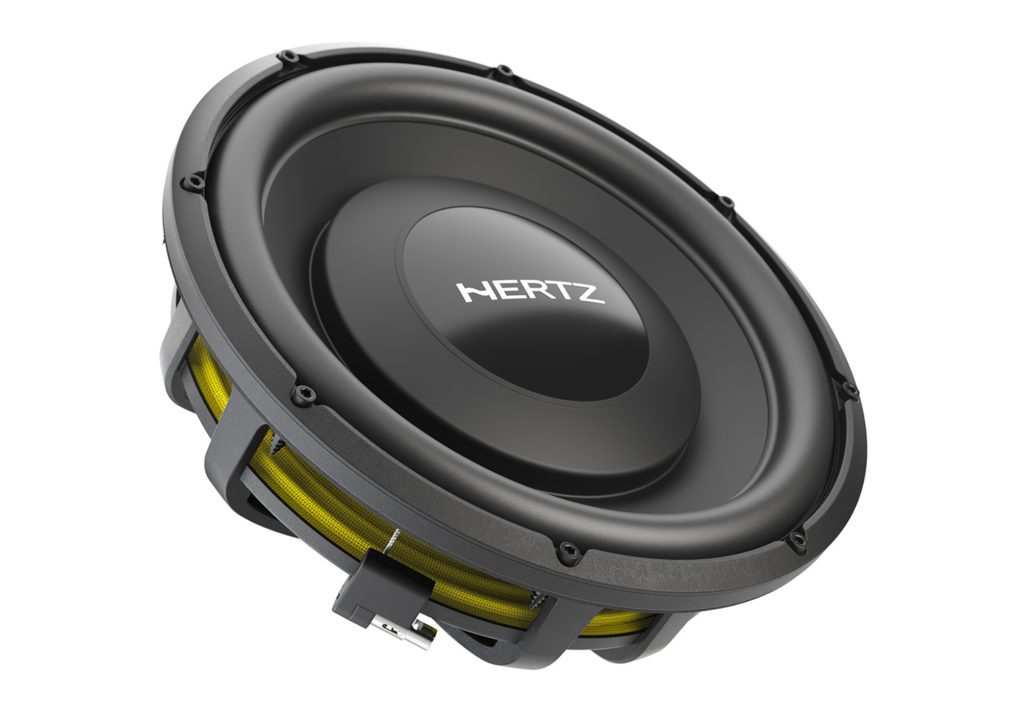
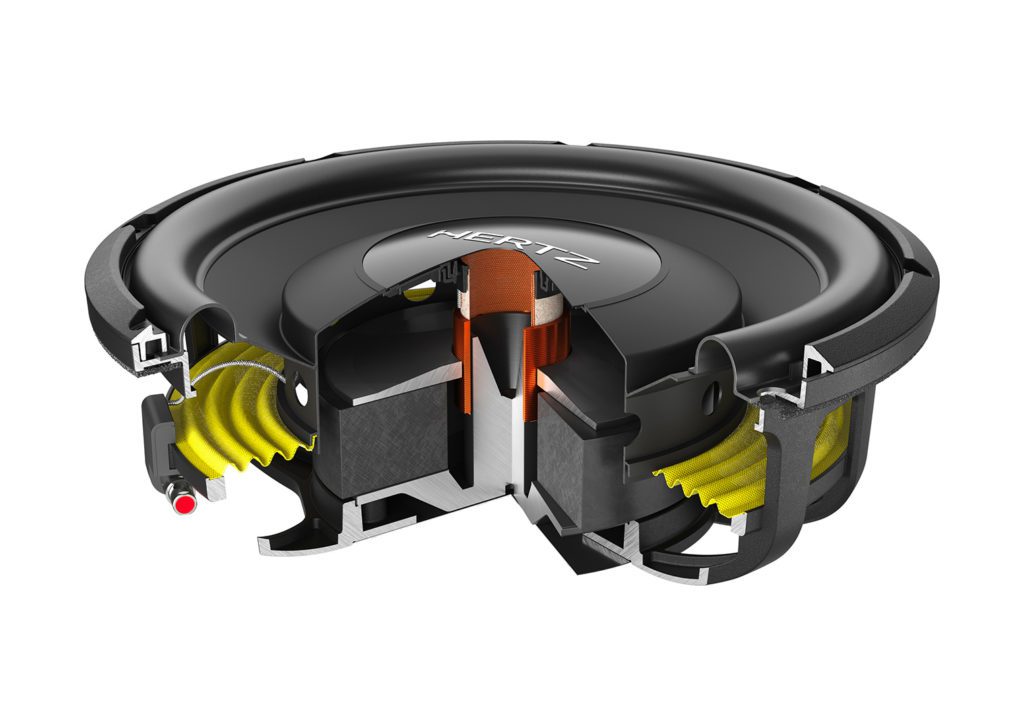

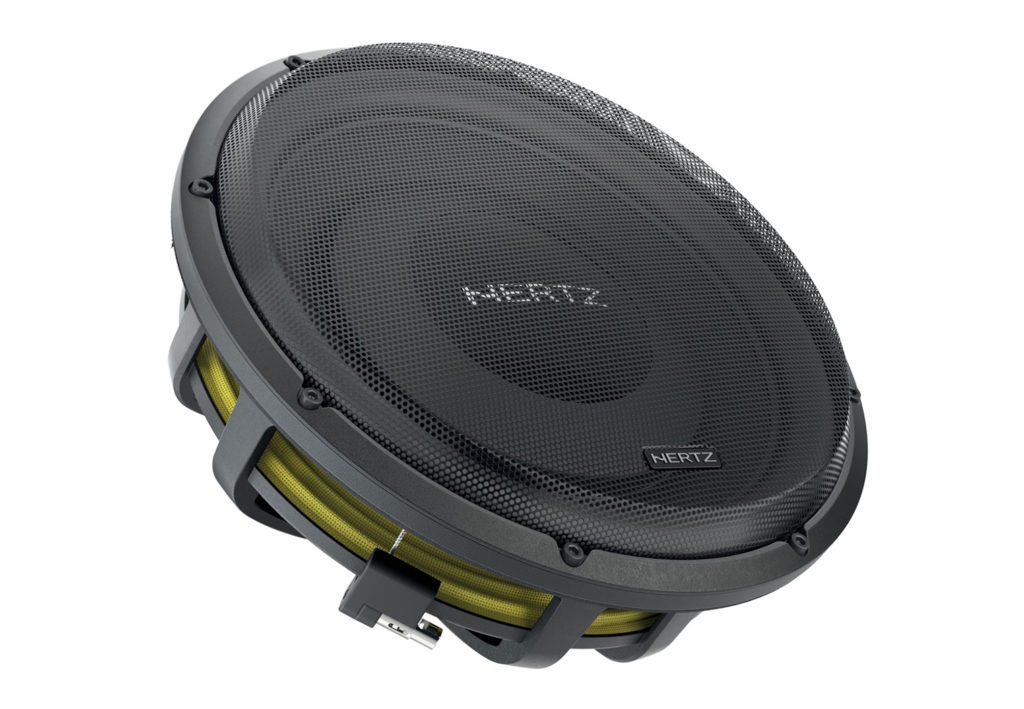
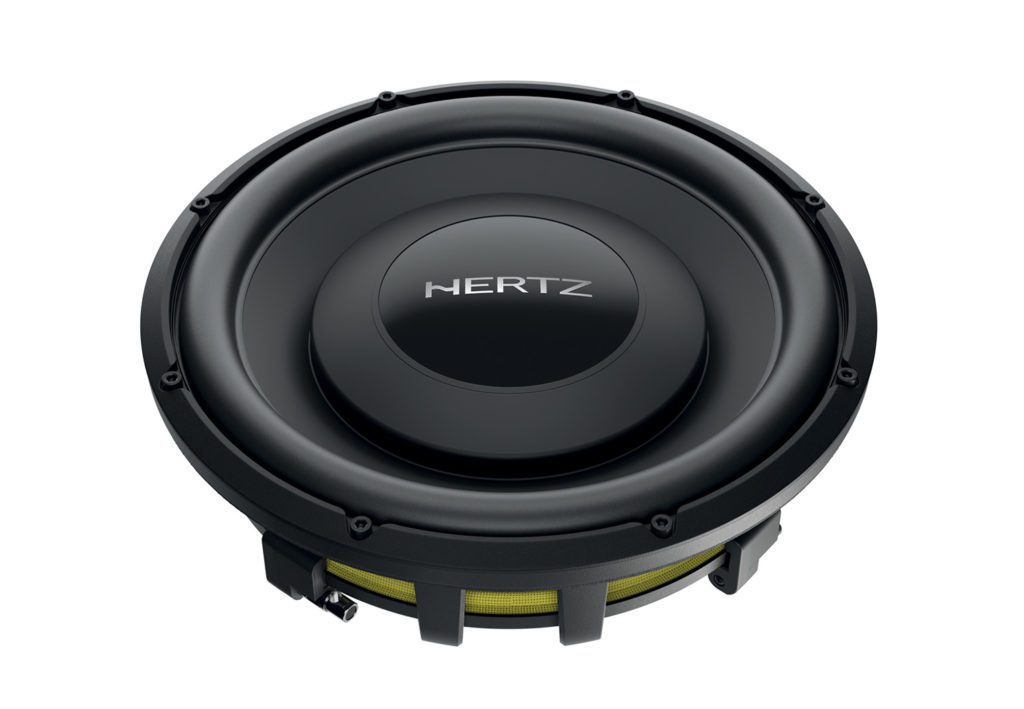
Hertz Mille Pro Shallow
Re-engineered shallow-mount sub · 10″–12″ · 2Ω / 4Ω
CarAudioNow may earn a commission from retailer links. Brands do not influence the recommendations.
Why I picked it
Shallow subs used to be compromises. Not anymore. Hertz re-engineered the MPS for the slim form factor rather than shrinking a standard design, which is why it behaves like a “real” sub in truck boxes and tight coupes.
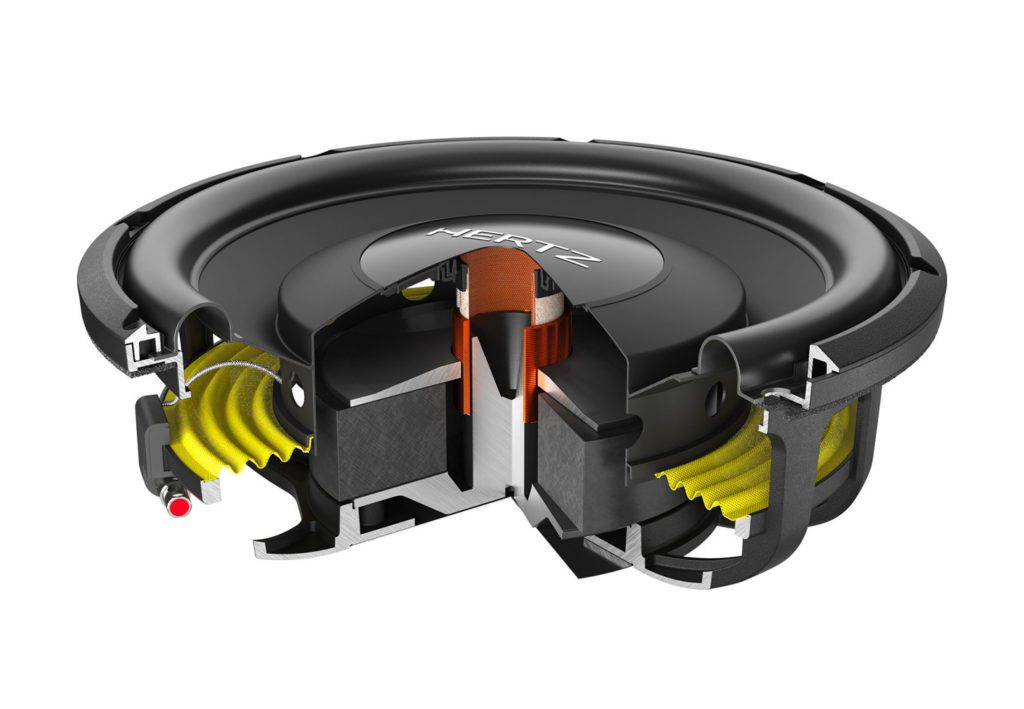
It uses a compact suspension group and inward magnet topology to cut depth while increasing linear excursion ~20% versus conventional shallow layouts. Pair that with the six-layer copper voice coil and A.I.R. cooling and you get genuinely deep bass from a tiny sealed volume (as low as 0.4–0.5 ft³). See our MPS in-depth feature review for enclosure targets (and our hands-on MPS review).
| Make | Hertz |
| Model | Mille Pro Shallow |
| Type | Shallow-mount subwoofer |
| RMS Power | ~500W |
| Voice Coil | 2Ω / 4Ω |
| Enclosure | Compact sealed (0.4–0.5 ft³) |
Reasons to buy
- Ultra-shallow depth fits tight truck/coupe installs
- Real low-end for the size; +20% linear excursion design
- Small sealed volumes (≈0.4–0.5 ft³) still perform
Reasons not to buy
- Not as effortless down low as full-depth comps
- Needs careful sealing/box build to meet expectations
- Best results still want ~500W clean RMS
JL Audio TW3
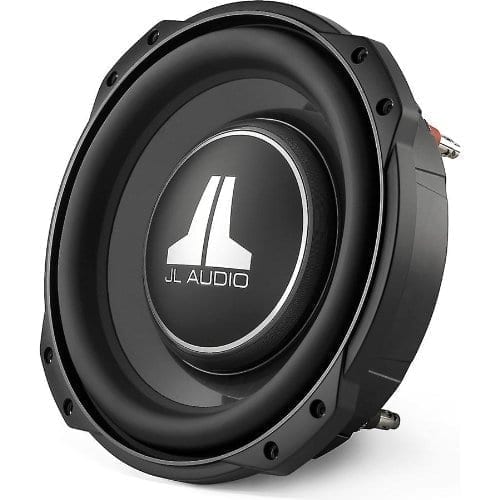
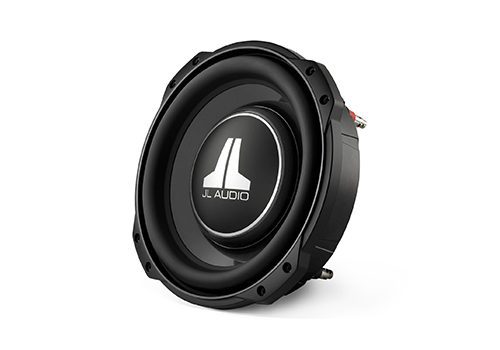
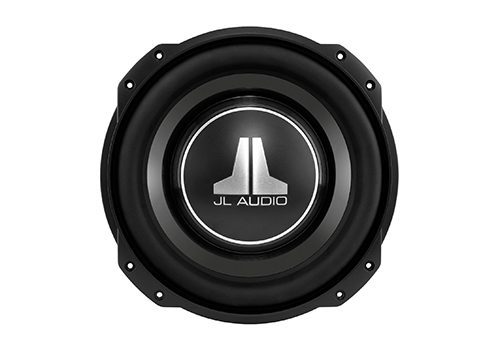
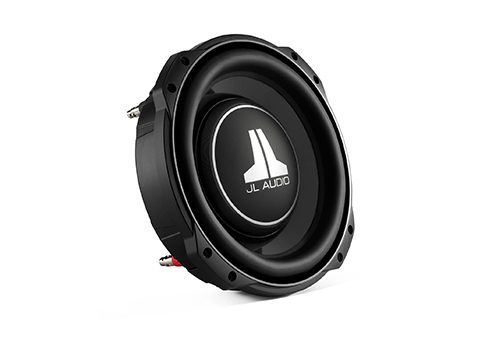
Thin-line shallow sub (~3″ deep) · 10″–12″ · CTS motor
CarAudioNow may earn a commission from retailer links. Brands do not influence the recommendations.
Why I picked it
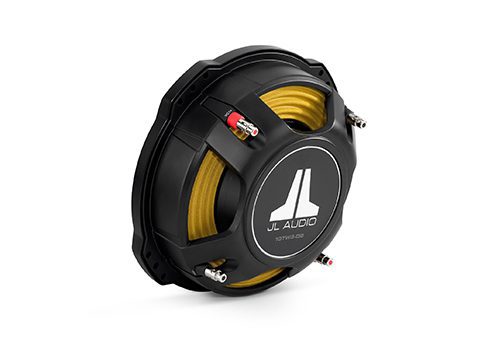
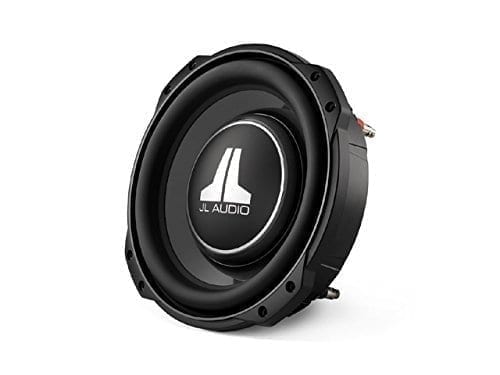
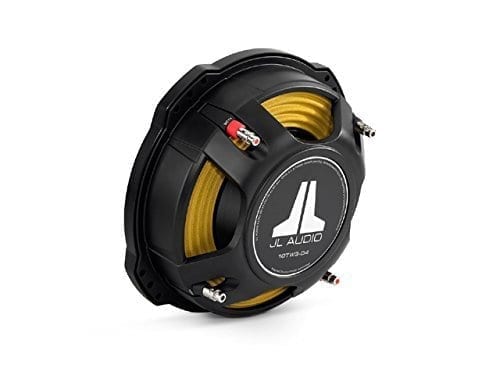
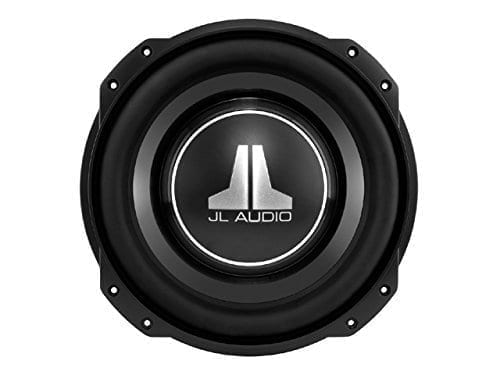
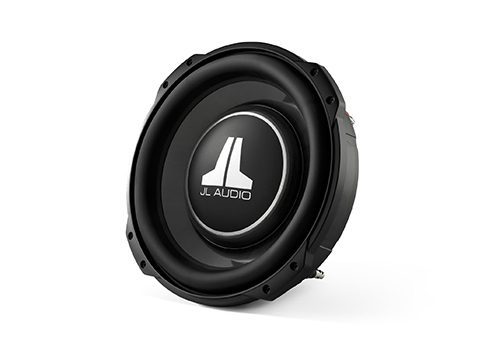
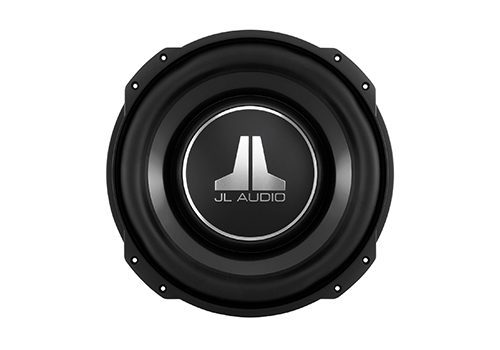
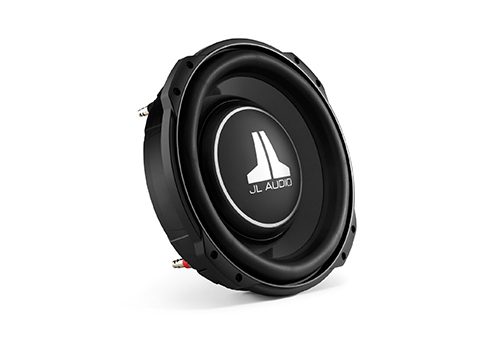
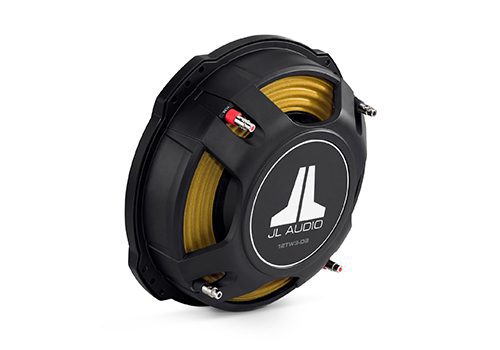
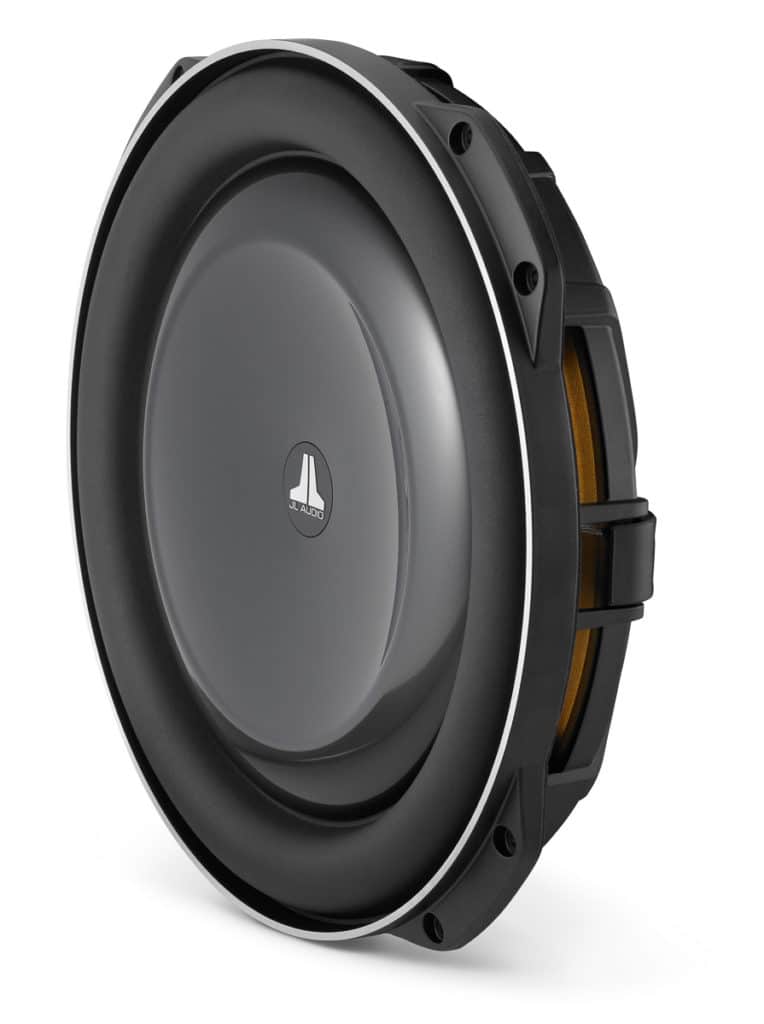
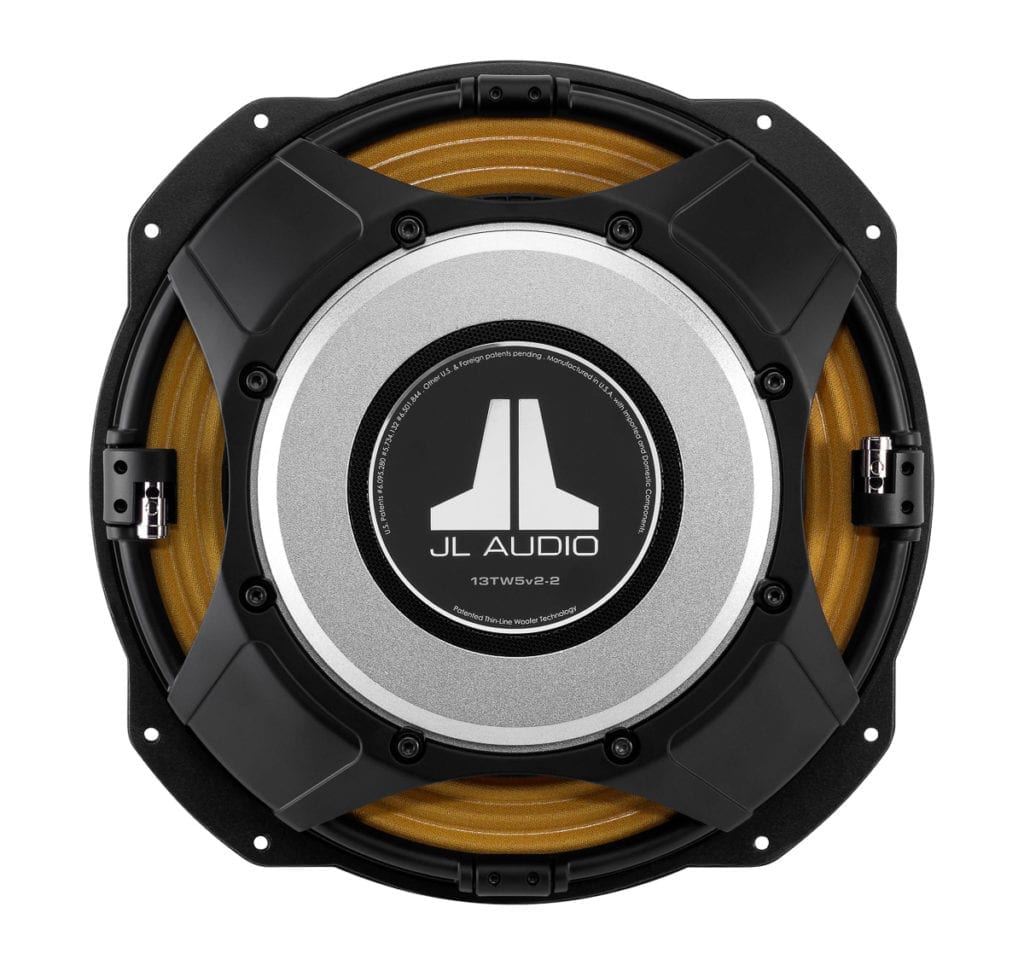
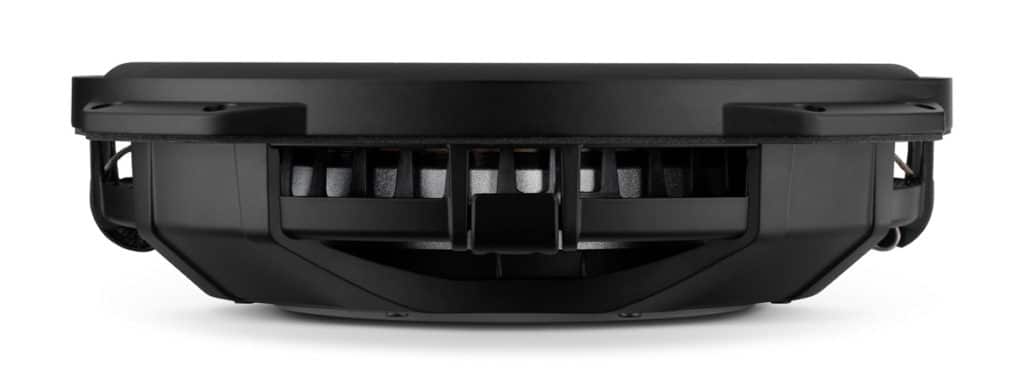
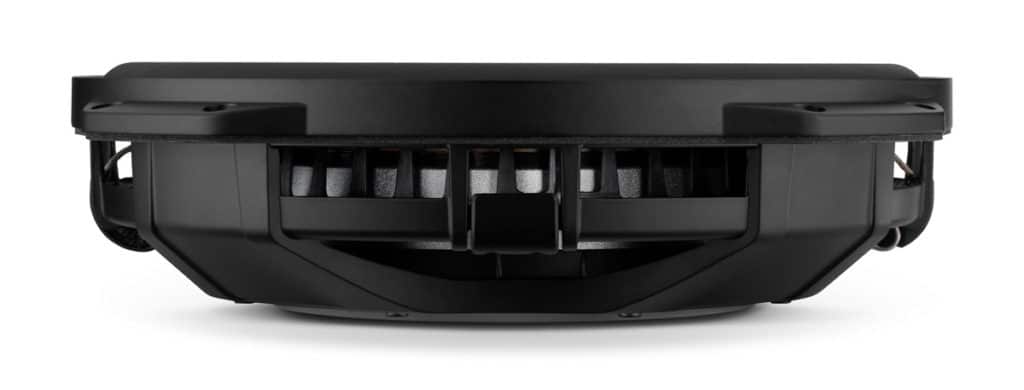
JL’s TW3 is the shallow sub that converted a lot of skeptics — including me. The cast basket houses their Concentric Tube Suspension™, which relocates the spider and voice-coil geometry so the motor sits inside the coil. The result is a sub barely over 3″ deep with excursion that rivals many traditional designs. The composite cone stays rigid and the rubber surround holds up to daily beating.
I’ve run the 12TW3 in my own F-150 and covered it in detail in my 12TW3 unbox & review. If you’re going sealed and slim under a rear bench, the TW3 is on my short list — just match the coil to your amp and keep gains conservative.
| Make | JL Audio |
| Model | TW3 |
| Type | Thin-line shallow sub |
| RMS Power | 400–600W (size-dependent) |
| Voice Coil | DVC 4Ω / 8Ω |
| Mount Depth | ~3″ |
| Enclosure | Sealed |
Reasons to buy
- Best-in-class shallow tech (CTS) with real excursion
- Room-friendly depth — perfect under truck benches
- Clean, musical; blends easily with the front stage
- Multiple coil options simplify amp matching
- Excellent long-term reliability in my installs
Reasons not to buy
- Not the cheapest route to premium shallow bass
JL Audio TW5v2
Flagship ultra-shallow tech (<3″ deep) · 13.5″ · 2Ω / 4Ω
CarAudioNow may earn a commission from retailer links. Brands do not influence the recommendations.
Why I picked it
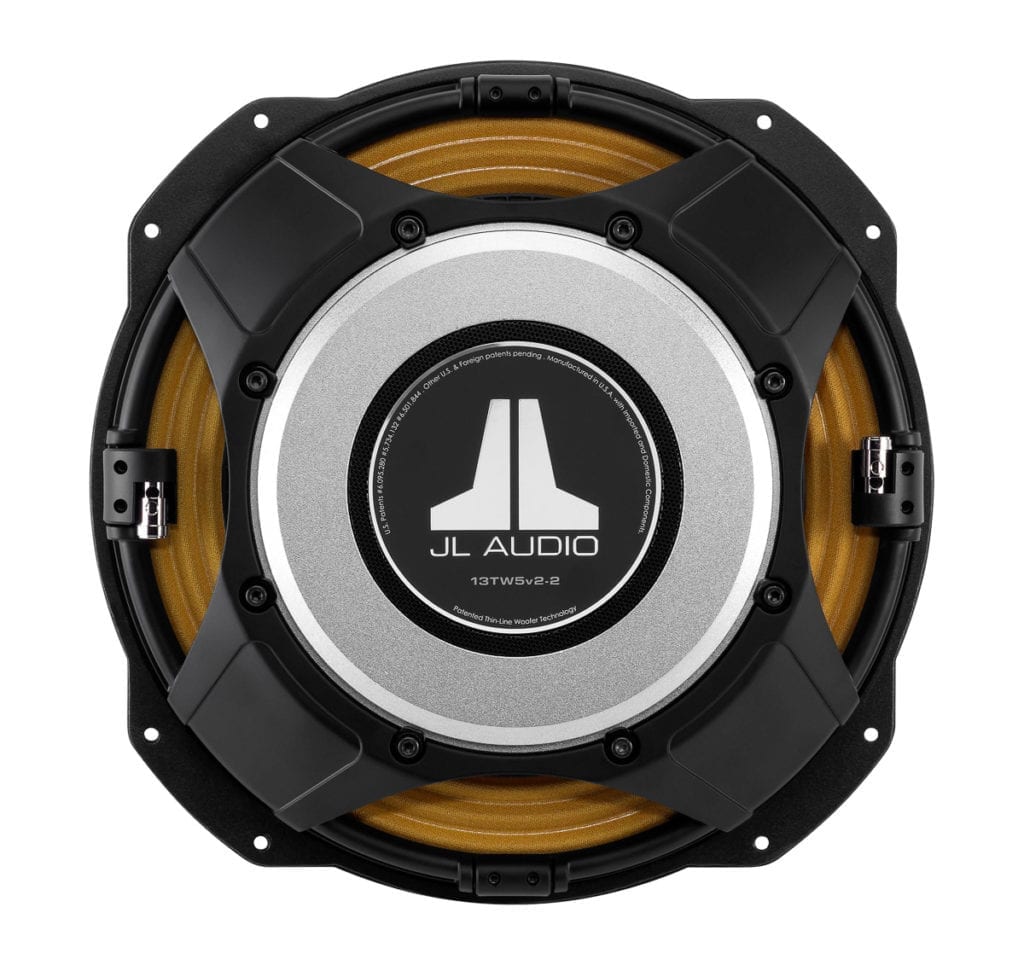
TW5v2 is JL’s flagship shallow tech taken to the extreme. It shares the core engineering with the TW3 (that space-saving concentric suspension/motor) but scales up power handling and cone tech for even more headroom in ultra-thin spaces. If you’re chasing the most output you can get where depth is the limiting factor, this is the aspirational pick.
TW5v2 vs TW3: the TW5v2 handles more power, uses different cone construction, and comes as a single-voice-coil (2Ω or 4Ω), while the TW3 uses DVC options for easier wiring flexibility. Choose the TW3 for versatility/value; choose the TW5v2 if you need every last dB from an ultra-shallow cavity.
| Make | JL Audio |
| Model | TW5v2 |
| Type | Flagship shallow sub |
| RMS Power | 250W (up to 600W) |
| Voice Coil | SVC 2Ω / 4Ω |
| Mount Depth | Under 3″ |
| Enclosure | Sealed |
Reasons to buy
- Extremely shallow mounting depth (under 3″)
- Powerful, deep and accurate bass delivery
- Great performance and clear sound
- Quality construction for long-term durability
- Handles power up to 600 watts
Reasons not to buy
- Only offered in a 13.5″ size at the moment
- Price isn’t too friendly
Kicker CompRT
Rugged shallow sub · 8″–12″ · 2Ω / 4Ω
CarAudioNow may earn a commission from retailer links. Brands do not influence the recommendations.
Why I picked it
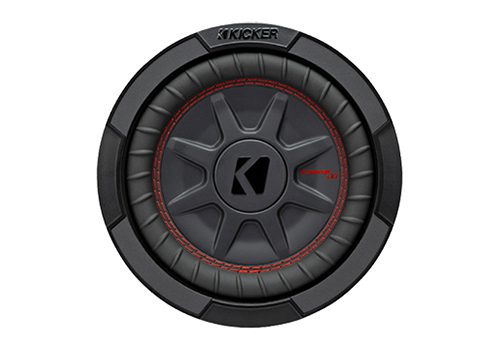
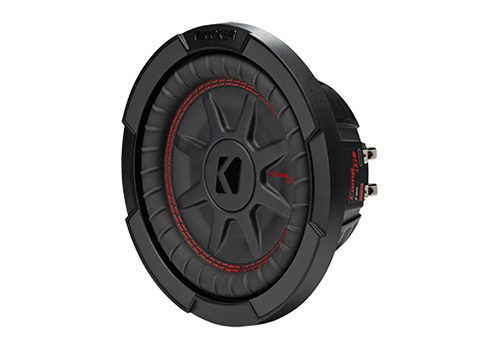
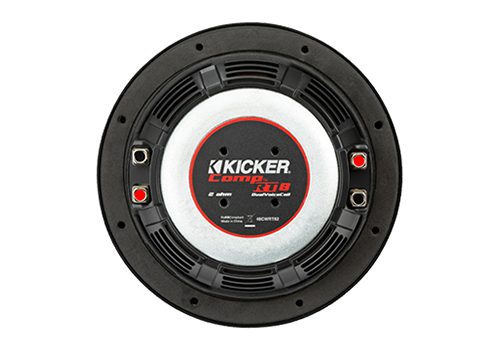
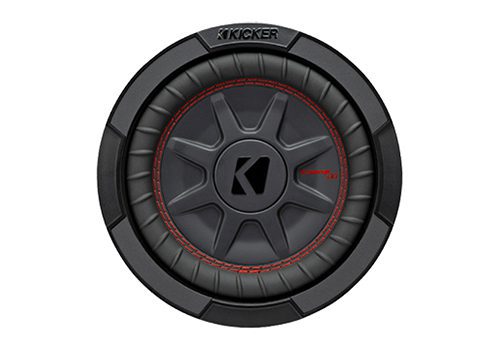
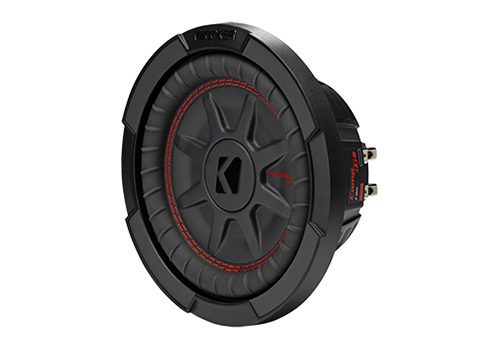
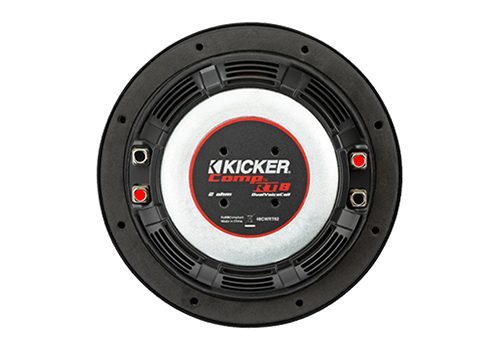
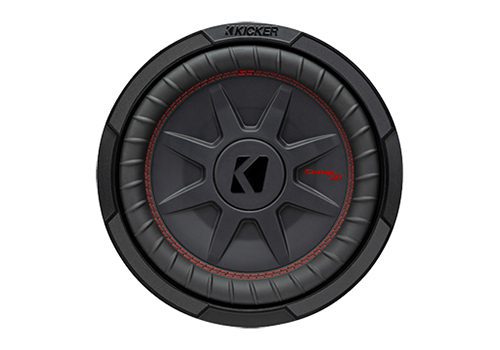
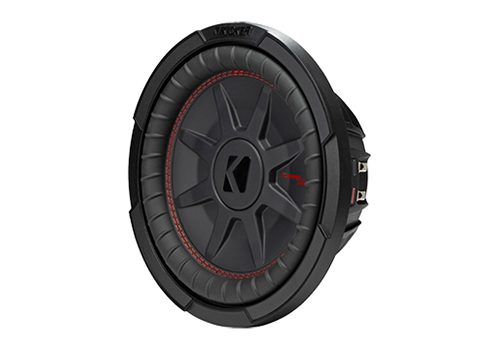
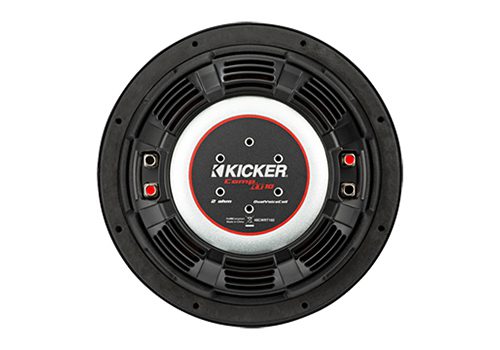
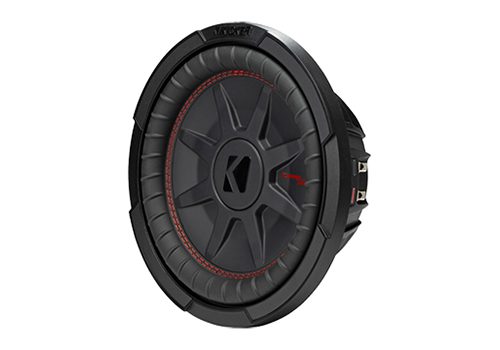
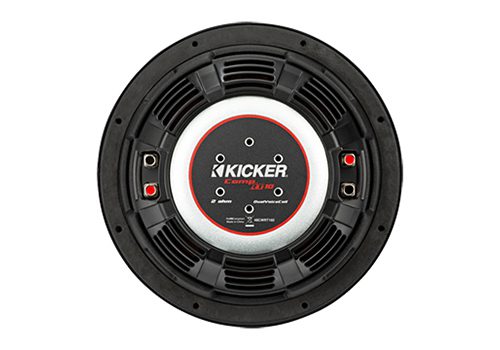
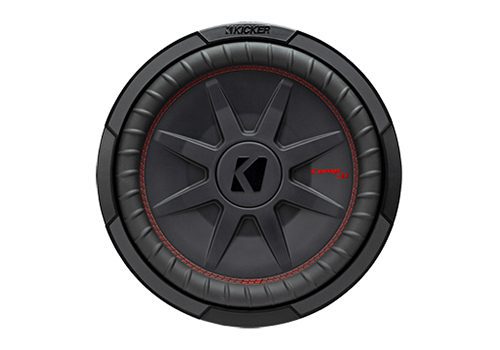
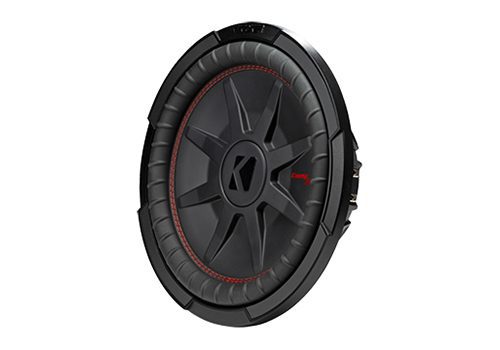
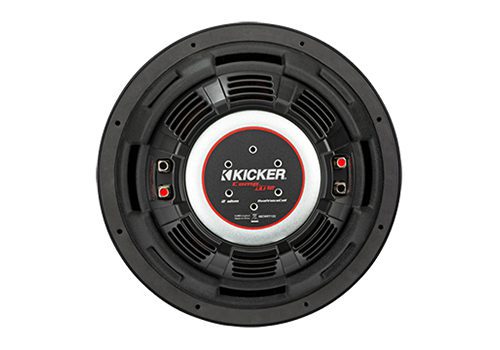
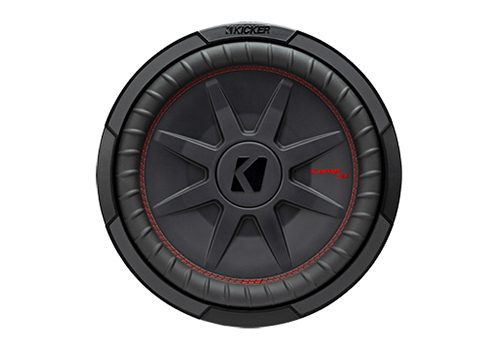
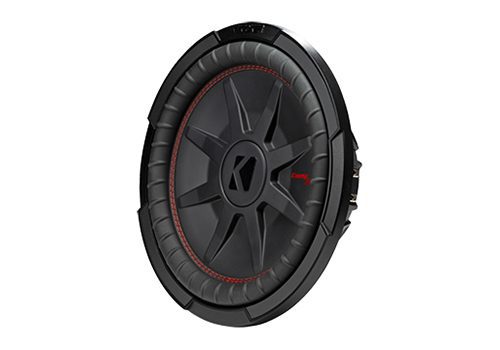
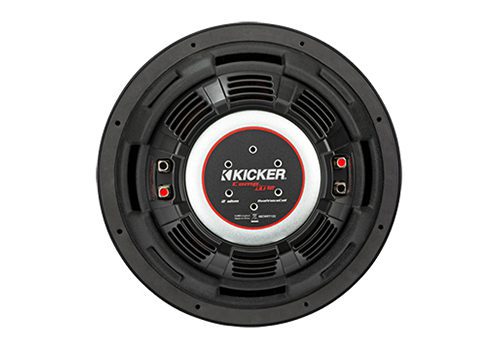
Kicker’s been doing dependable bass since the ’70s, and the refreshed CompRT keeps the shallow format rugged with heavy-duty components, upgraded forced-air cooling, and that telltale stitched surround. I like these for daily-driver builds that see heat, dust and abuse — even powersports. The 10″ at ~3-7/16″ deep is competitive on space and delivers consistent punch in small sealed boxes.
If you’re stitching a full system around CompRT, consider compact, efficient amps to keep heat down under seats — my best amplifiers roundup includes several good matches.
| Make | Kicker |
| Model | CompRT (48CWRT) |
| Type | Shallow sub |
| RMS Power | 300–500W (size-dependent) |
| Voice Coil | DVC 2Ω / 4Ω |
| Enclosure | Small sealed |
Reasons to buy
- Built to take abuse; reliable daily driver
- Improved cooling for tight, sealed installs
- Multiple sizes; easy to fit in tricky spots
Reasons not to buy
- Not the deepest-reaching option vs JL/Hertz flagships
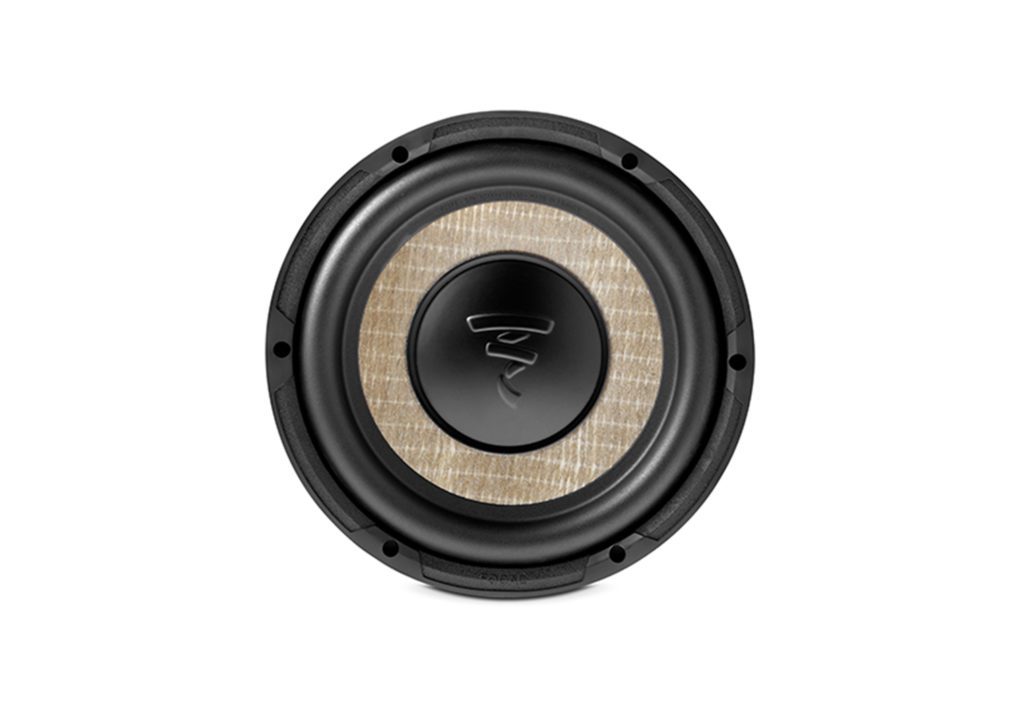
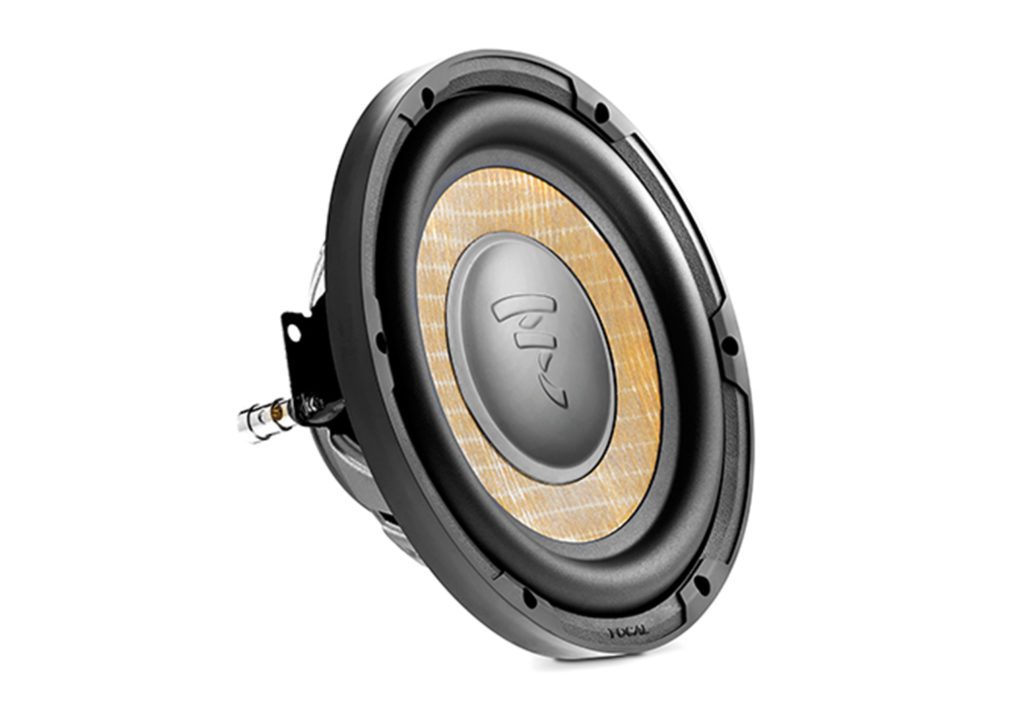
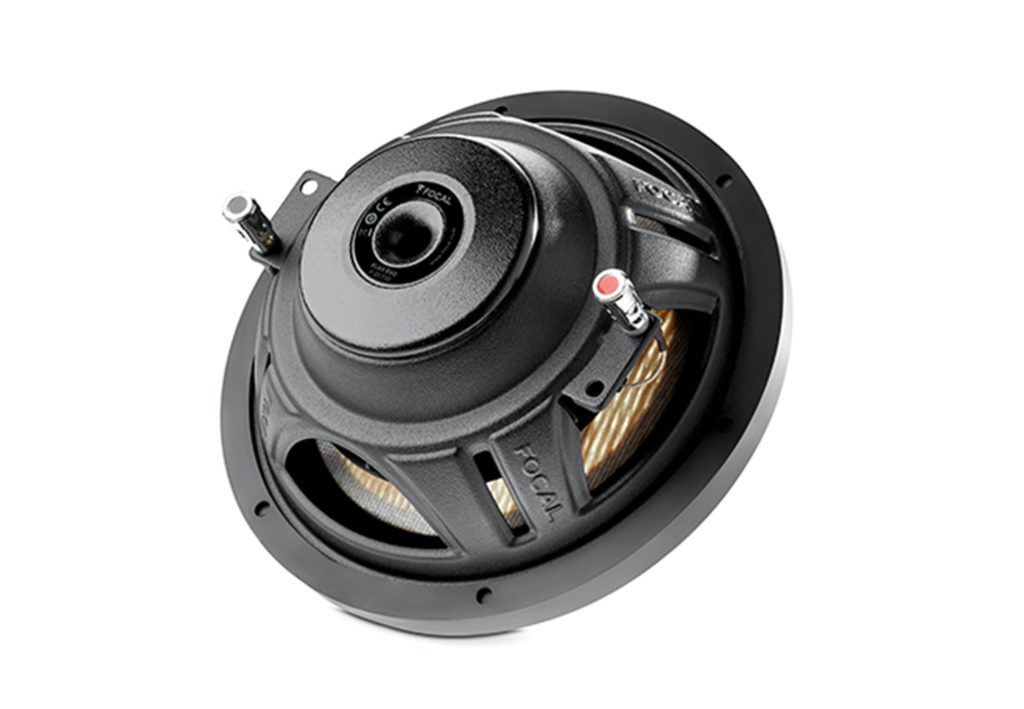
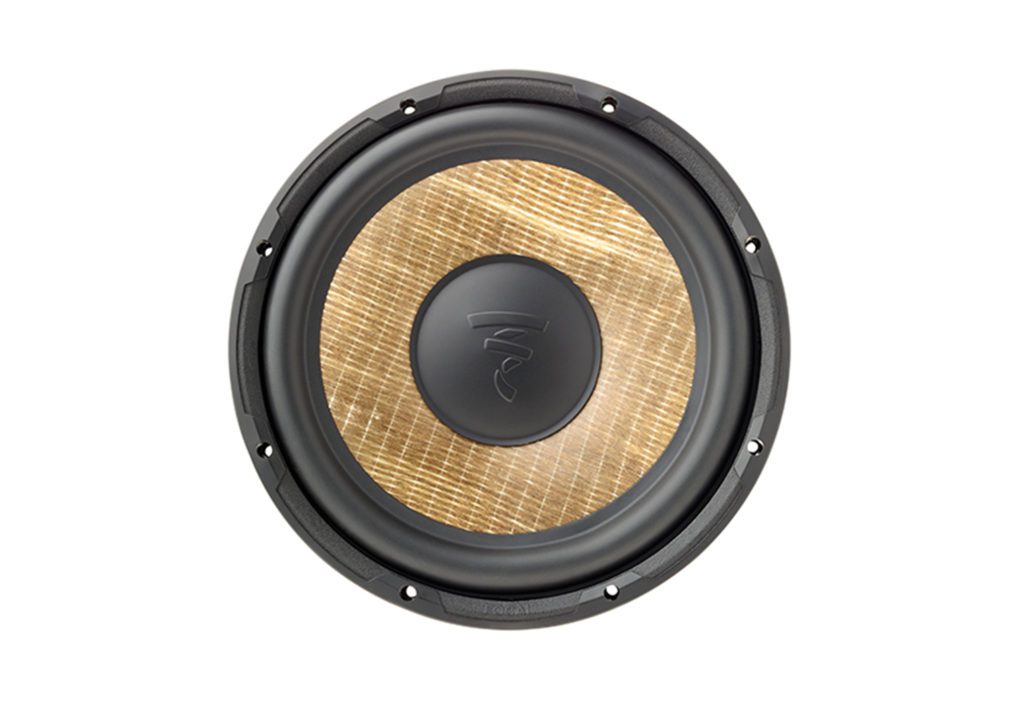
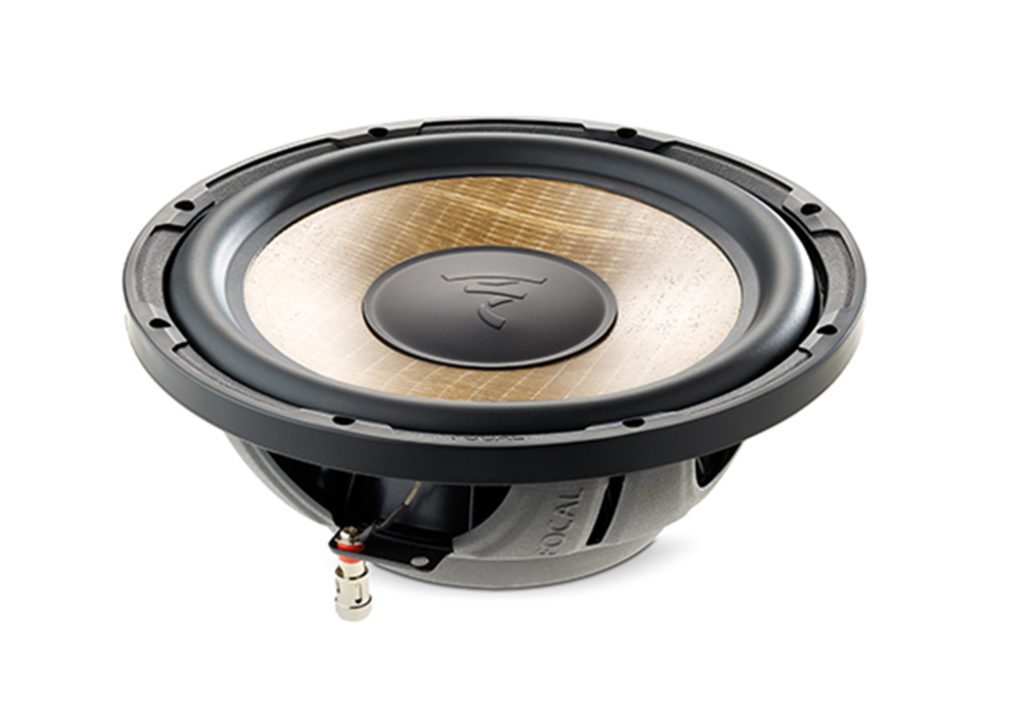
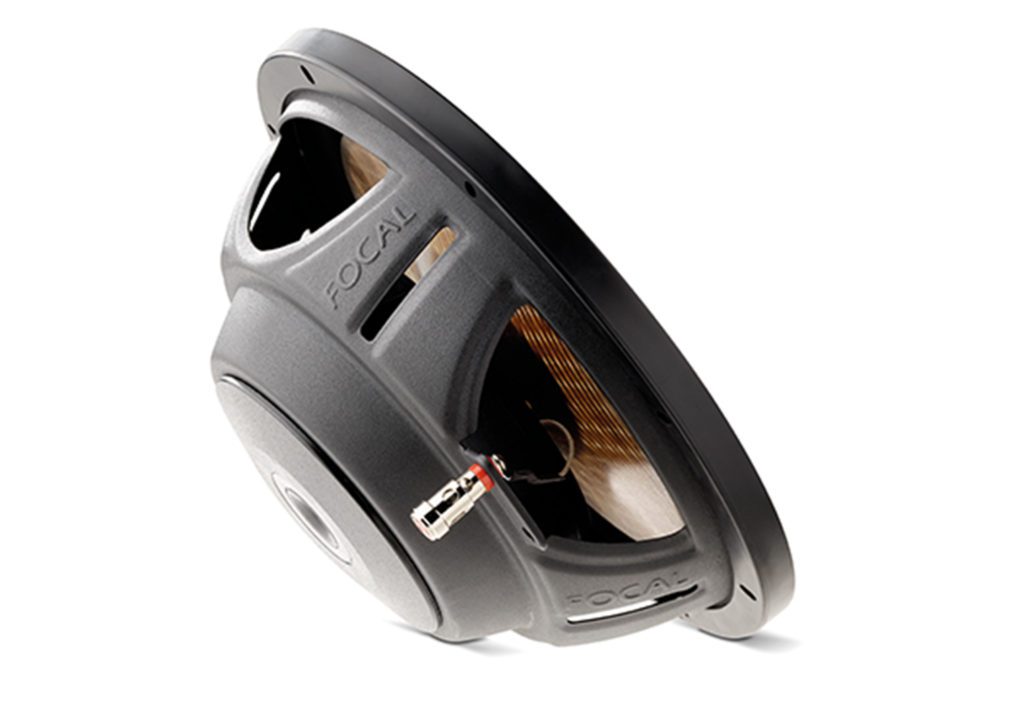
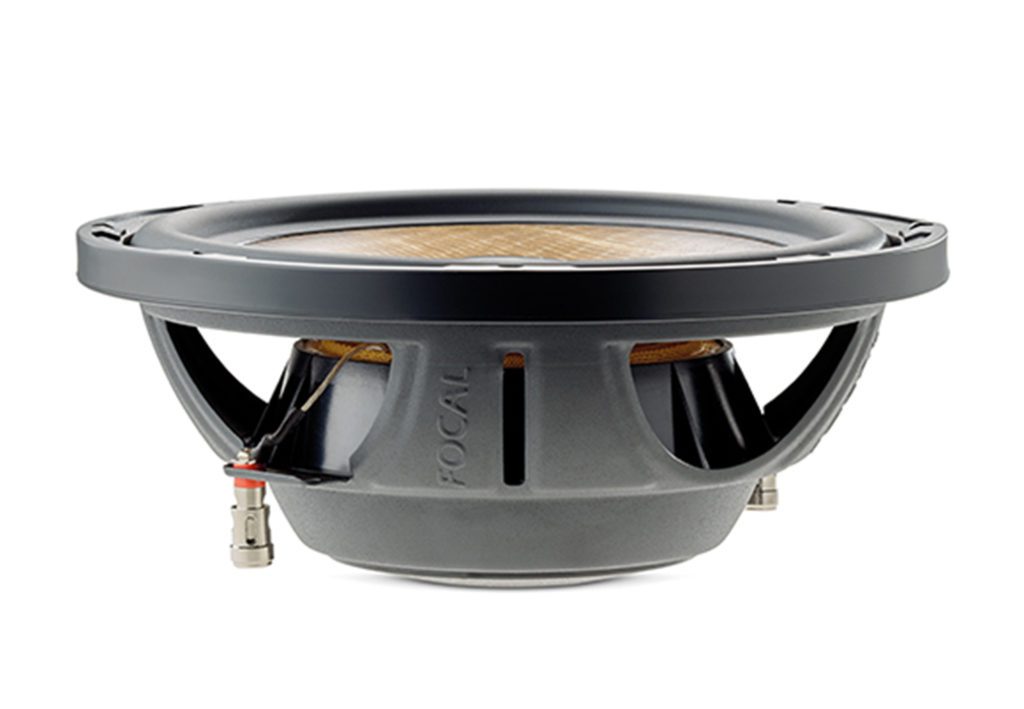
Focal Flax Evo Slim (FSE)
Slim flax SQ sub · 8″–10″ · rounded, precise bass
CarAudioNow may earn a commission from retailer links. Brands do not influence the recommendations.
Why I picked it
If you prioritize texture and accuracy over brute force, Focal’s Flax Evo Slims are a joy. The flax/glass cone gives bass a warm, natural character that blends with SQ-focused builds. The shallow FSE version trims depth dramatically versus the standard Flax Evo with only minor tradeoffs in power and Xmax.
These are happy in compact sealed or small ported enclosures where you can prioritize tuning to your cabin. If you’re after rounded, precise bass in a slim form factor, this is my go-to. I cover the flax material in my Focal PS 165 FXE review.
| Make | Focal |
| Model | Flax Evo Slim (P FSE) |
| Type | Shallow SQ sub |
| RMS Power | 200–280W (size-dependent) |
| Voice Coil | SVC 4Ω |
| Enclosure | Compact sealed or small ported |
Reasons to buy
- Beautiful, natural tonality that flatters all genres
- Premium build; big sound from a thin package
- Works sealed or small ported depending on goals
Reasons not to buy
- Costs more than typical “value” shallow subs
- No 12″ option if you need more cone area
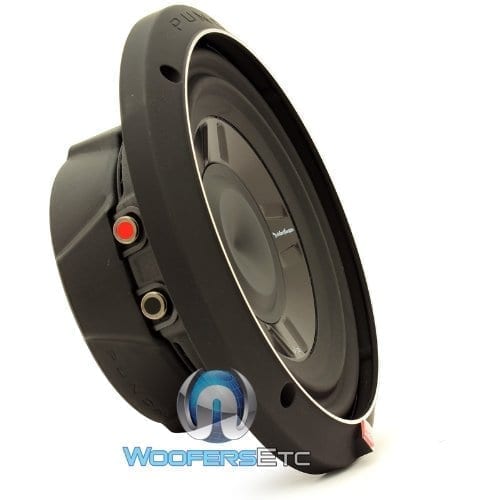

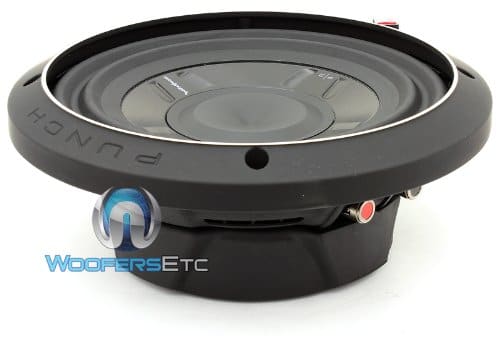

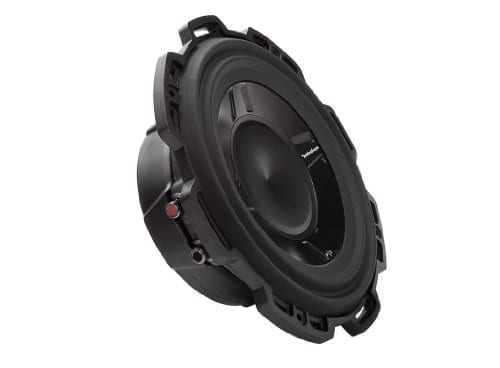
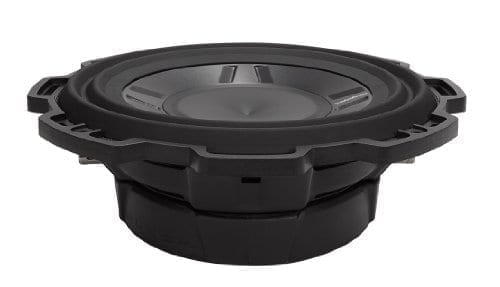
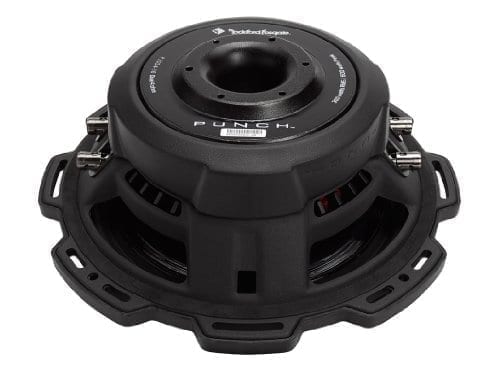
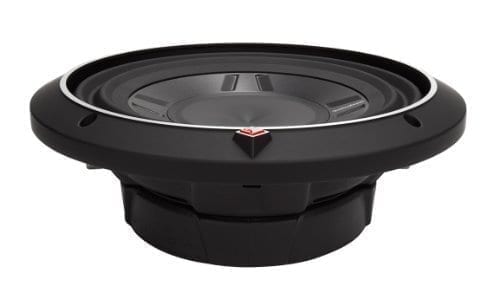

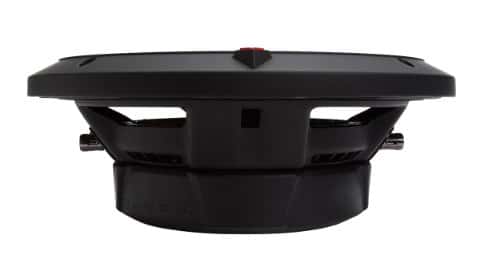
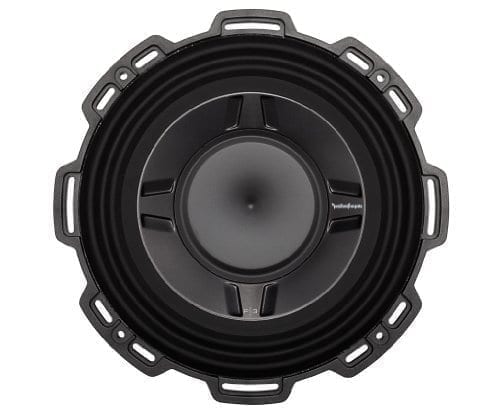
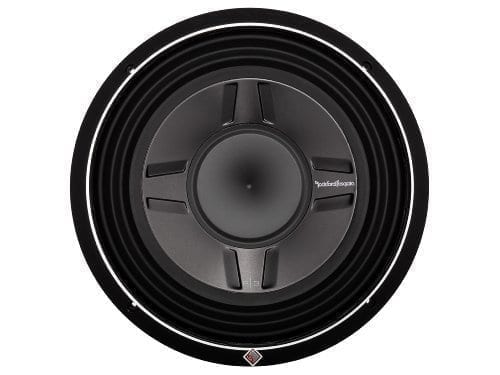
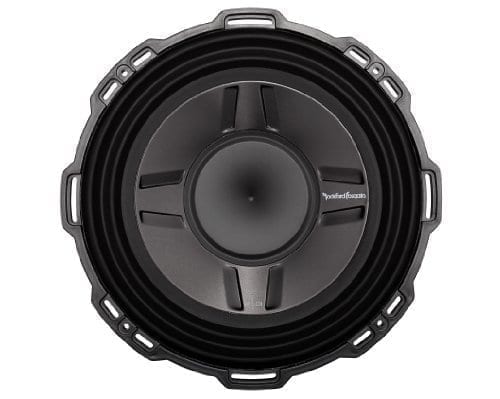
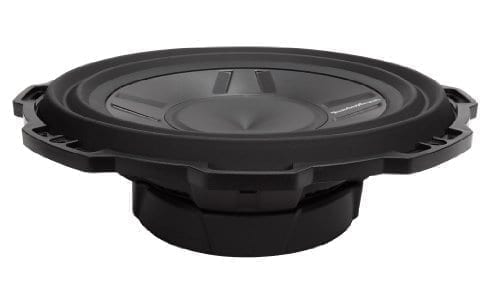
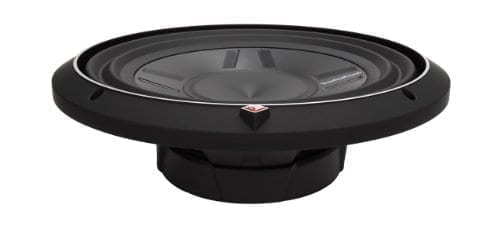
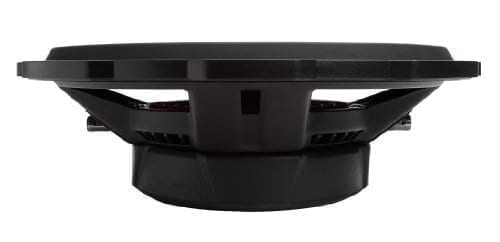
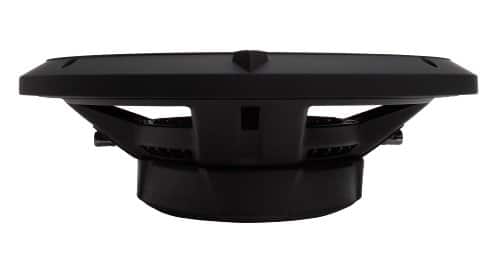
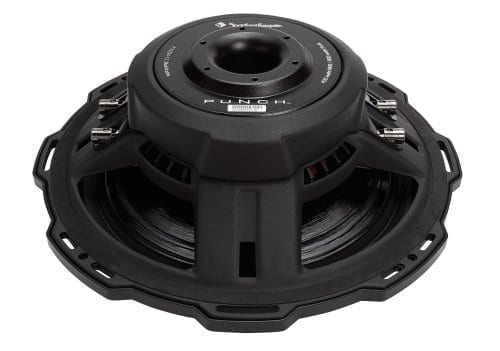
Rockford Fosgate Punch P3 Shallow
Value workhorse shallow (~3-9/16″) · 8″–12″
CarAudioNow may earn a commission from retailer links. Brands do not influence the recommendations.
Why I picked it
Punch is Rockford’s value workhorse line, and the P3 Shallow nails the brief: thin (about 3-9/16″), reliable, and satisfying output for the money. The anodized aluminum cone is light yet stiff, and the Santoprene surround holds up in daily use. If you’re trying to stretch budget without giving up “real sub” feel, this is where I point people.
| Make | Rockford Fosgate |
| Model | Punch P3 Shallow |
| Type | Shallow sub |
| RMS Power | 150–400W (size-dependent) |
| Voice Coil | DVC 4Ω |
| Enclosure | Sealed |
Reasons to buy
- Strong bang-for-buck shallow performance
- Multiple sizes cover most installs
- Looks clean in visible installs
Reasons not to buy
- Lower RMS ceiling vs mid/flagship shallow subs
- Not as refined sonically as JL/Focal in SQ builds
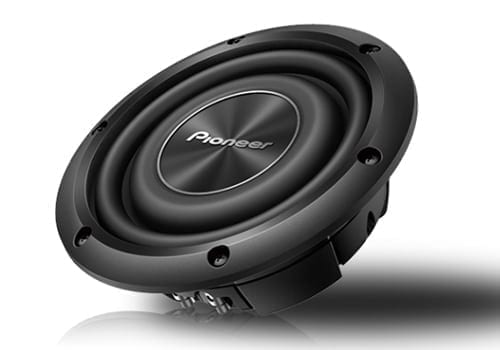
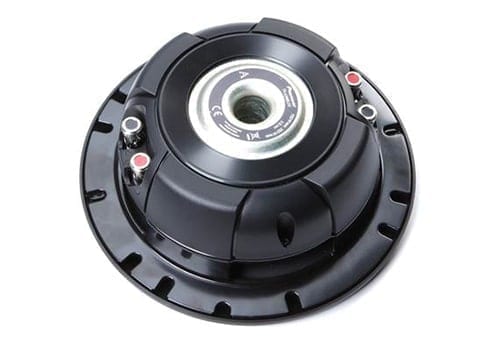
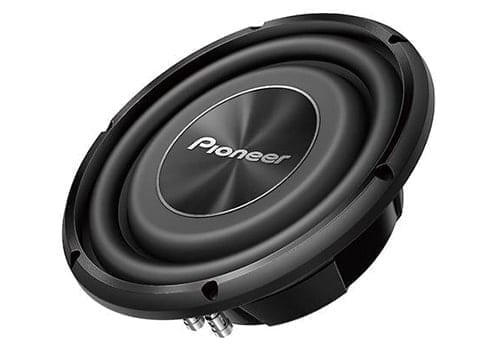
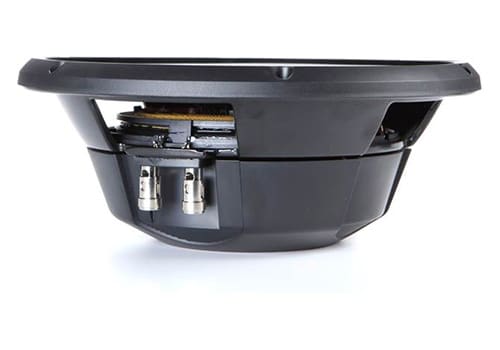
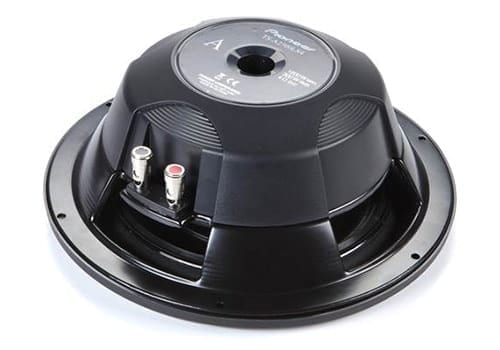
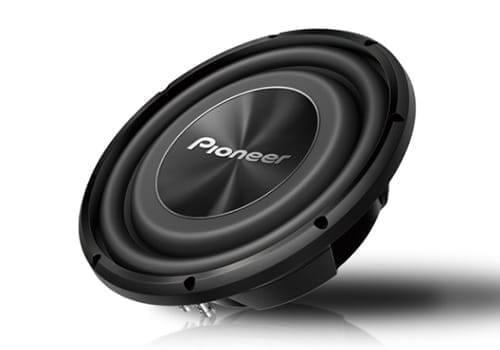
Pioneer TS-A Shallow
Value shallow sub · 8″–12″ · easy to drive
CarAudioNow may earn a commission from retailer links. Brands do not influence the recommendations.
Why I picked it
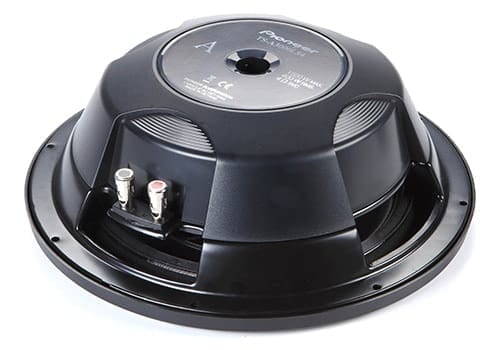
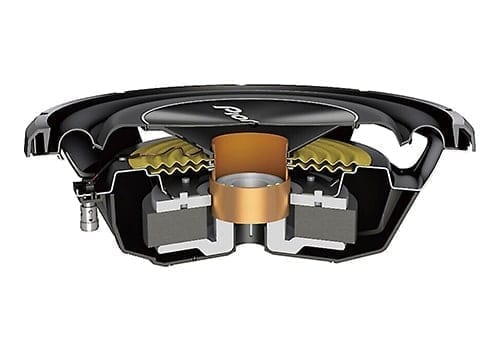
Pioneer’s latest TS-A shallow subs replaced the older TS-SW series I used for years in value builds. The oversized cone and reinforced structure help these keep output up while staying thin enough for seat-back and under-seat boxes. They’re efficient, easy to power, and a great entry point if you’re building your first space-constrained system.
No, they won’t move as much air as the flagship shallow picks — but for the price they deliver clean, usable bass. Get the box right, power them within RMS, and you’ll be impressed. New to wiring? My guide on choosing the right wire will help you avoid bottlenecks.
| Make | Pioneer |
| Model | TS-A Shallow |
| Type | Shallow sub |
| RMS Power | 250–400W (size-dependent) |
| Voice Coil | SVC / DVC |
| Enclosure | Sealed (seat-back / under-seat) |
Reasons to buy
- Best budget sound-per-dollar in a shallow frame
- Multiple sizes to fit tight or odd-shaped locations
- Easy to drive; forgiving to first-time installers
Reasons not to buy
- Lower RMS handling and output ceiling vs mid/hi-tier picks
MTX FPR
Tough budget-plus shallow · 10″–12″ · sealed
CarAudioNow may earn a commission from retailer links. Brands do not influence the recommendations.
Why I picked it
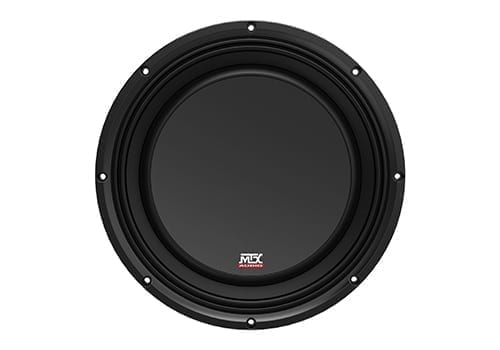
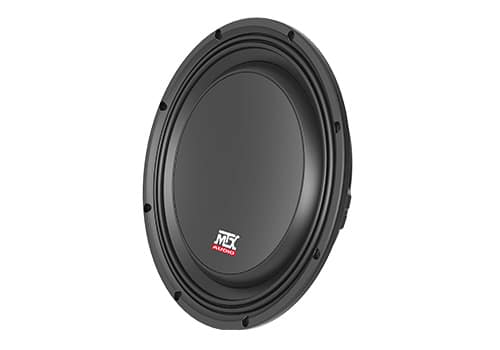
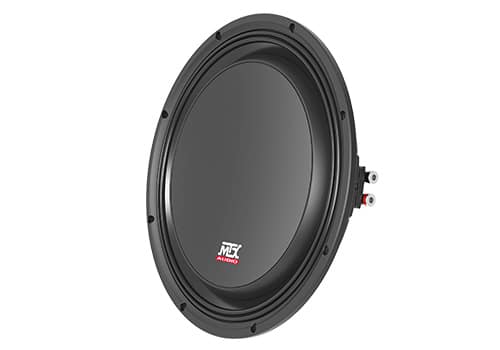
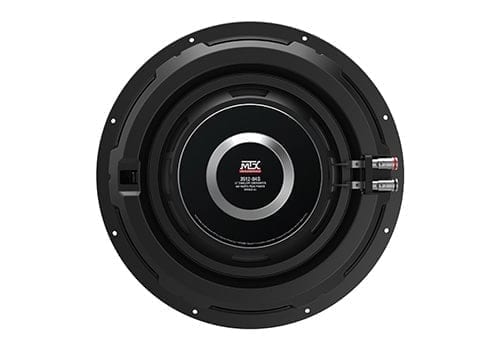
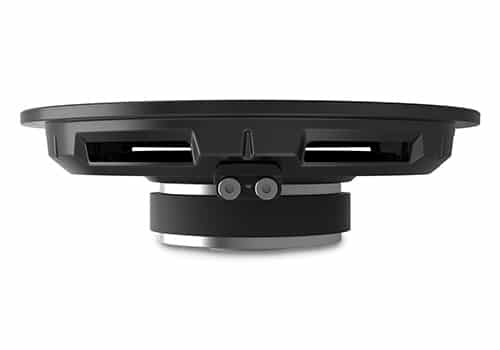
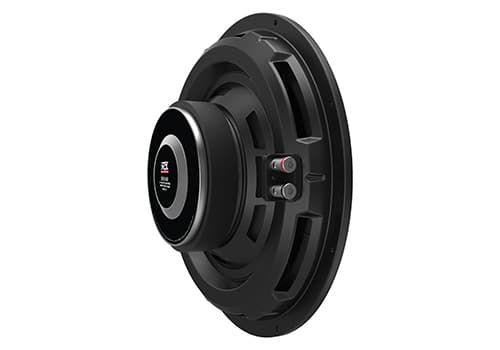
Sleek, simple, and tougher than they look. The FPR uses MTX’s inverted-apex surround to free up cone area for more displacement (more bass) without adding depth. The polypropylene cone and nitrile-butyl surround hold up well in daily use, and MTX’s spider-plateau venting keeps temps in check during long sessions. Stick to sealed enclosures here for best results.
| Make | MTX |
| Model | FPR |
| Type | Shallow sub |
| RMS Power | 300W |
| Voice Coil | SVC 4Ω |
| Enclosure | Sealed only |
Reasons to buy
- Very shallow mount with solid real-world output
- Cooling & surround design aimed at longevity
- Great “budget-plus” option if Pioneer TS-A isn’t enough
Reasons not to buy
- Lower sensitivity than some competitors — feed it clean watts
- Sealed-only limits tuning options
Check the mounting depth that fits your vehicle
Tell us your year, make and model and we’ll show the depth, enclosure and power that fit — then point you to the right shallow series above.
Shallow subwoofer FAQ
Do shallow subs really sound good?+
Modern shallow subs use smarter motors, cone materials and cooling, so they keep the excursion and control we used to expect only from deeper drivers. Get the box and power right and they hit and stay musical.
What size should I get?+
Most land on 10″ or 12″ for cone area and efficiency; an 8″ is ideal in extra-tight builds where speed and punch matter more than ultimate output.
Sealed or ported for a shallow sub?+
Almost always sealed — shallow drivers are engineered for compact sealed enclosures. A few work in small ported boxes, but sealed is the safe, tight default.
More subwoofer guides & how-tos
Keep going across the subwoofer silo:
Why trust CarAudioNow?
