
Find the audio upgrades that actually fit your car.
Pick your vehicle and I’ll build you a step-by-step upgrade path — the right signal, speaker sizes, bass, and amp for your exact setup, with the gear I’d actually buy.
Start with your vehicle
Two quick questions and your plan is ready.
This is how I tailor the picks and the budget — no long survey, I promise.
1979 Honda Accord
Your 1979 Honda Accord has a factory-integrated screen that controls audio, climate, and vehicle functions — it stays. The good news is you can build a serious system around it. A DSP integration kit or line-output adapter converts the factory signal to clean line-level output for an aftermarket amp, and from there the build proceeds like any full system. At a premium budget and installing yourself, do it all: upgraded 6.5-inch front components, upgraded rear speakers, a multichannel amp to power them, and a dedicated subwoofer with a proper enclosure in the trunk. The trunk is where the sub lives in a sedan, so size the box to the sub's specs and the trunk's available depth. Integration first, then speakers, then amp and sub — that's the order.
The upgrade path
4 steps · ordered by impact · with DIY difficultyYour 1979 Honda Accord has a factory-integrated dash, so a head-unit swap is off the table even on a premium budget — the controls and display are built into the panel. For a full system build with no compromises, a high-quality integration adapter or DSP is the piece that matters, extracting a clean signal from the factory unit so the front stage, rears, amplifier, and subwoofer can all be dialed in around it. On a build this complete, the DSP is what ties the system together and gives you the tuning control to blend every stage precisely. Whether a factory amp is already present is unconfirmed, so confirm it rather than assume. Done yourself, it's a doable step since the adapter interfaces with the factory harness rather than cutting into it.
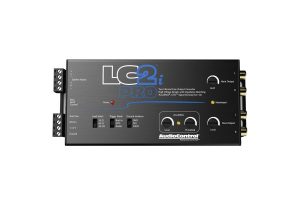
Why it’s the pick: This is the converter I reach for first on any factory deck that isn’t already amplified. It takes the speaker-level signal off the back of the radio — up to a hot 40V/400W per ch…
Your 1979 Honda Accord's front doors take 6.5-inch speakers — the front stage anchor for a full system build. Component speakers are the right choice here: the separate woofer and tweeter give you accurate imaging and cleaner crossover points than a coaxial, and the dash tweeter position is a natural high-frequency placement. At a premium budget, upgrade all four locations at once. The rear doors and deck both take 6x9s — rear fill keeps the cabin cohesive and gives the front stage something to work with at lower volumes. Factory amp status is unconfirmed; check the signal chain when you pull the door panels and head unit — if one's present, you'll need to tap or bypass it cleanly. Upgraded speakers with more power handling will need an aftermarket amp to reach their potential, which is the next step.

Why it’s the pick: Part of Focal’s Flax Evo line, the PS 165 FXE blends a natural-sounding flax cone with a refined tweeter and a robust crossover. It’s a set I’ve covered hands-on in my unbox &…
A full system build in a sedan needs real bass foundation, and the 1979 Honda Accord's trunk is the right place to build it. Skip the all-in-one powered sub — choose a quality component subwoofer, have an enclosure constructed to its manufacturer's recommended specs, and drive it with a dedicated mono amp. Done right, the bass from the trunk integrates cleanly with the front stage instead of just thumping independently. As a DIY install, keep the mono amp in the trunk near the enclosure to minimize power and signal cable runs. Getting the enclosure volume right for the sub you choose is the single most important factor in how it performs.
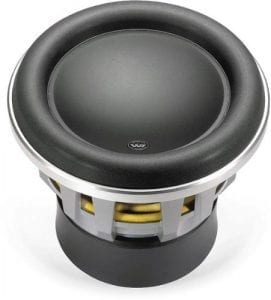
Why it’s the pick: JL’s W7 has been the reference standard for two decades because it blends control and command: deep extension without bloat, slam without smear. Its W-Cone assembly and OverRoll s…
For a full system build at a premium budget, an aftermarket amplifier isn't optional — it's the engine of the system. The factory amp status on your 1979 Honda Accord is unconfirmed, but the answer is the same either way: the new speakers and subwoofer need clean, properly rated power, and the factory system can't deliver it reliably. Plan one channel for each speaker in the build plus a dedicated mono channel for the subwoofer. That can be a single multi-channel amp with enough channels, or a stereo amp for the speakers and a separate monoblock for the sub — both are legitimate depending on the power ratings you're matching. Because the 1979 Honda Accord's head unit is integrated, signal gets to the amp through an integration adapter. Match the amp's RMS output to the speakers' ratings and you'll have clean headroom across the board.
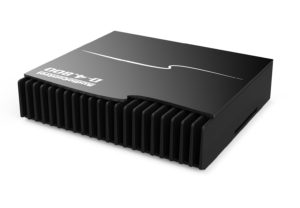
Why it’s the pick: If you’re keeping the factory head unit or a factory-amplified system, the D-Series makes life easy. Active speaker-level inputs and signal summing handle odd factory crossovers,…
1979 Honda Accord audio — common questions
What size speakers fit a 1979 Honda Accord?
The 1979 Honda Accord uses 6.5" front speakers and 6×9 rear speakers.
What is the best subwoofer setup for a 1979 Honda Accord?
For the trunk, an all-in-one powered sub is the easiest big win; a slim/shallow sub keeps more trunk space, and a component sub + box delivers the most output.
Can you replace the head unit in a 1979 Honda Accord?
The 1979 Honda Accord uses a factory-integrated screen, so the move is to keep the screen and integrate a clean signal with the right vehicle-specific adapter — not a head-unit swap.
Everything on CarAudioNow for your 1979 Honda Accord
Fitment is a guide, not a guarantee. Speaker sizes and fit details are based on your selected year, make, model, and audio package and can vary by trim, options, and prior modifications — always confirm before buying.
Your plan is guidance built from your selections (vehicle, goal, budget), not a guarantee of fit, sound, or results, and not a substitute for professional installation advice. Prices are pulled from retailers and may change at checkout.
CarAudioNow is reader-supported — some links are affiliate links and we may earn a commission at no extra cost to you. See our FTC disclosure and privacy policy.