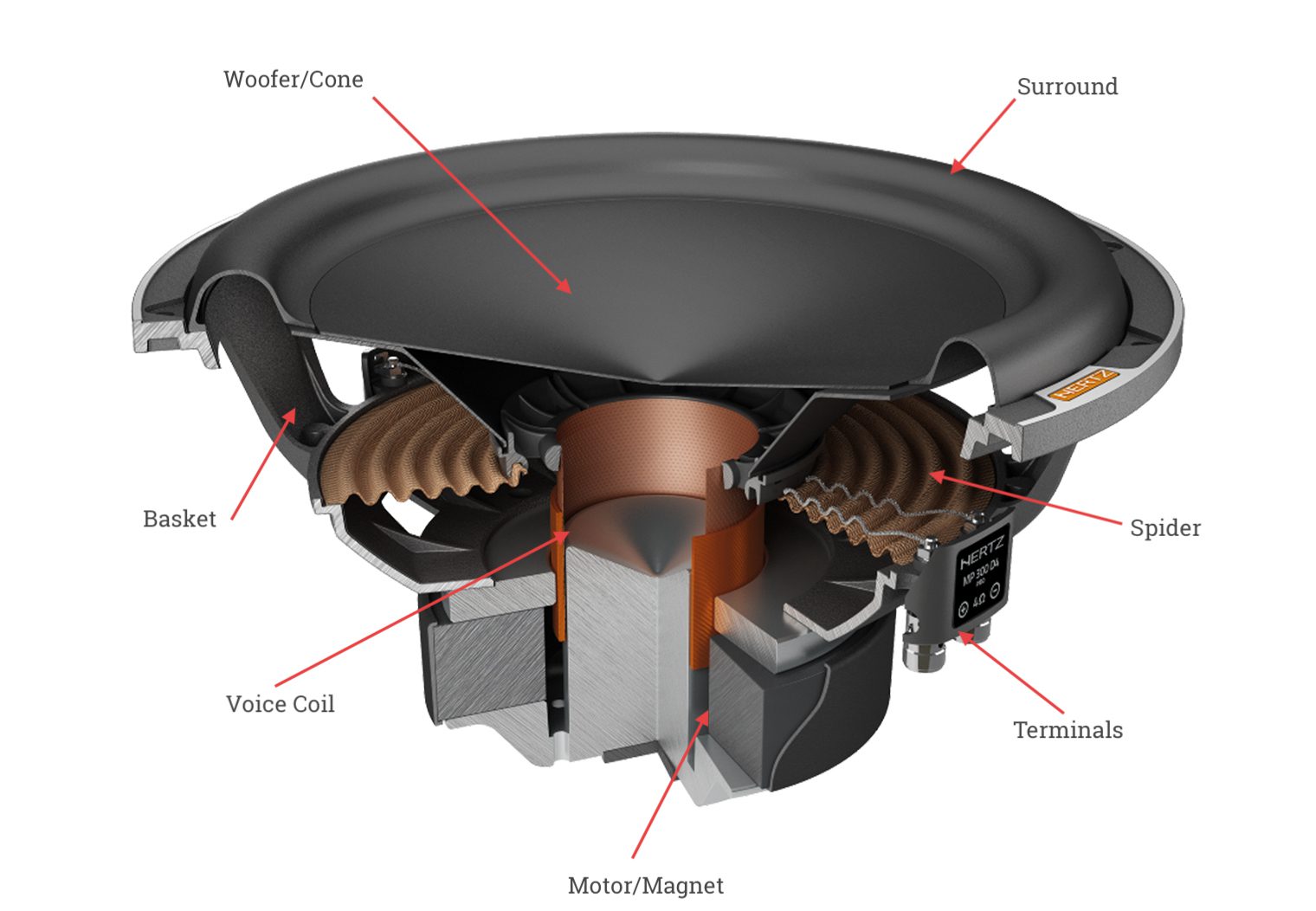
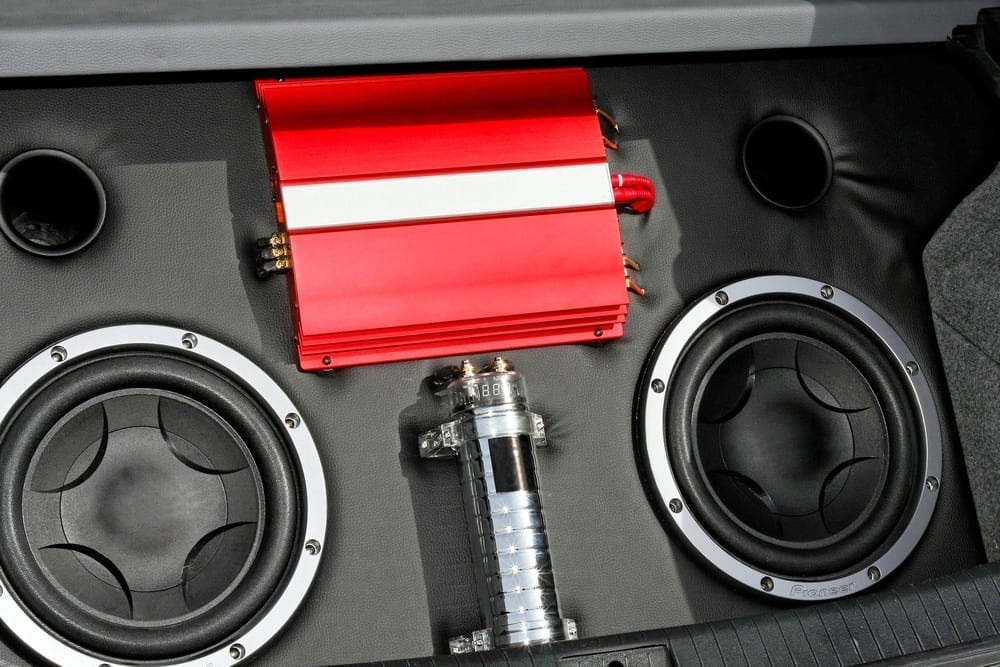
In this article: I'll walk through my updated guide on today’s best component car subwoofers. You’ll find my short list of picks, why I chose them, where each shines, plus practical tips to match a sub to your vehicle, music and space. This guide is part of my larger subwoofer series and is canonical to the master buyer’s guide here: Best Subwoofers for Your Car or Truck.
Who this guide is for: If you want maximum flexibility (choose your own box, amp and placement) and care about long‑term upgrade paths, a component sub is the right route. If you prefer a simpler, all‑in‑one solution, check my best powered subs instead. For tight spaces, see best shallow subs.
What a subwoofer does & why you need one: Subs handle the lowest octaves (roughly 20–200 Hz) so your mids/highs can breathe. The right enclosure and power matter as much as the driver. New to boxes? Start with my quick primer on sealed vs ported and choosing the right sub, then learn how to match impedance & RMS to your amp and tune gains and filters. I also like to verify box tuning with these deep‑bass test tracks.
| Size | Best for | Typical Goal | Starter Amp Target* |
|---|---|---|---|
| 8″ | Fast, tight punch; tiny boxes | SQ / daily clarity | 250–400W RMS |
| 10″ | Balanced depth & slam | All‑around | 400–750W RMS |
| 12″/13.5″ | Deeper extension; higher output | SQ + SPL blend | 600–1,200W RMS |
Disclosure: I purchase many of the subs and some are manufacturer samples. Brands don’t pay for placement or approve picks. Everything here is based on installs I’ve done, measurements where applicable, and extended listening.
Best Overall Car Subwoofer Pick
JL Audio W7AE-3 Series
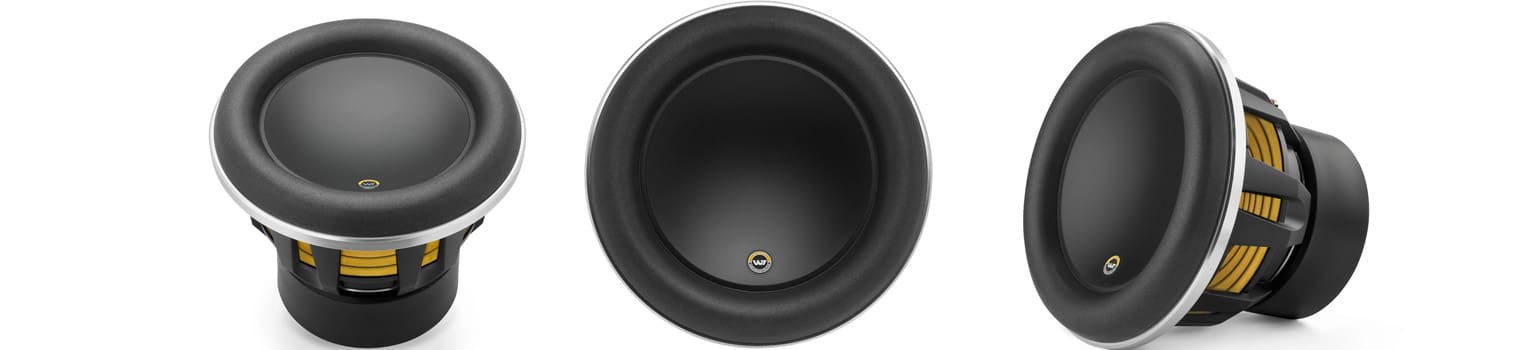
JL Audio W7AE Series Subwoofer Review
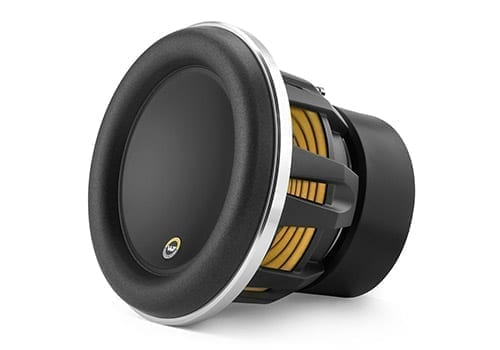
I’ve installed and tuned a lot of subs over the years, and the JL Audio W7AE-3 remains my reference for “effortless” bass. First released in 2001 and refined since, the Anniversary Edition adds a satin-black frame and anodized trim while keeping the same proven motor and suspension. What keeps it at #1 for me is how cleanly it handles big power without smearing transients—tight, accurate bass that still hits.
The W‑Cone/OverRoll architecture behaves like a lightweight trussed chassis: stiff where it must be, compliant where it counts. Combined with JL’s DMA (Dynamic Motor Analysis), it stays linear at high excursion so you hear detail instead of distortion. Available in 8″, 10″, 12″ and 13.5″, the W7 works sealed for accuracy or ported for output. If you want the deeper dive, I documented tech notes and box thoughts in my W7 series feature review.
Setup tip: Wire the dual 3Ω coil to match your amp’s sweet spot and verify gains with my DD‑1 gain‑setting walkthrough. Strong electrical (big‑3/AGM) really helps at this level.
Key technologies: DMA motor modeling, W‑Cone, OverRoll surround, Floating Cone Attach Method, elevated frame cooling.
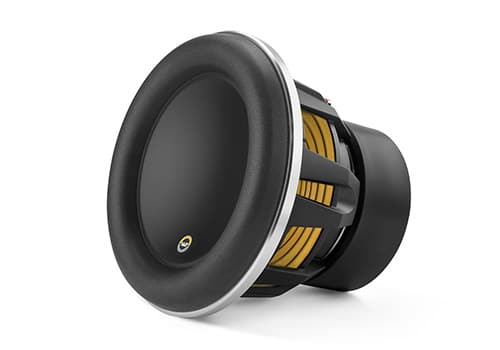
12W7AE-3
Subwoofer Size: 12″
Power Handling: 1000W RMS DVC 3Ω
Price Comparison
13W7AE-3
Subwoofer Size: 13″
Power Handling: 1500W RMS DVC 3Ω
Price Comparison
We test gear and may earn a commission. Buy now clicks are how we make money and support the time we spend making content. This doesn’t affect our picks.
Best Subwoofer for Sound Quality
Focal Flax Evo Series
Focal Flax Evo Series Subwoofer Review
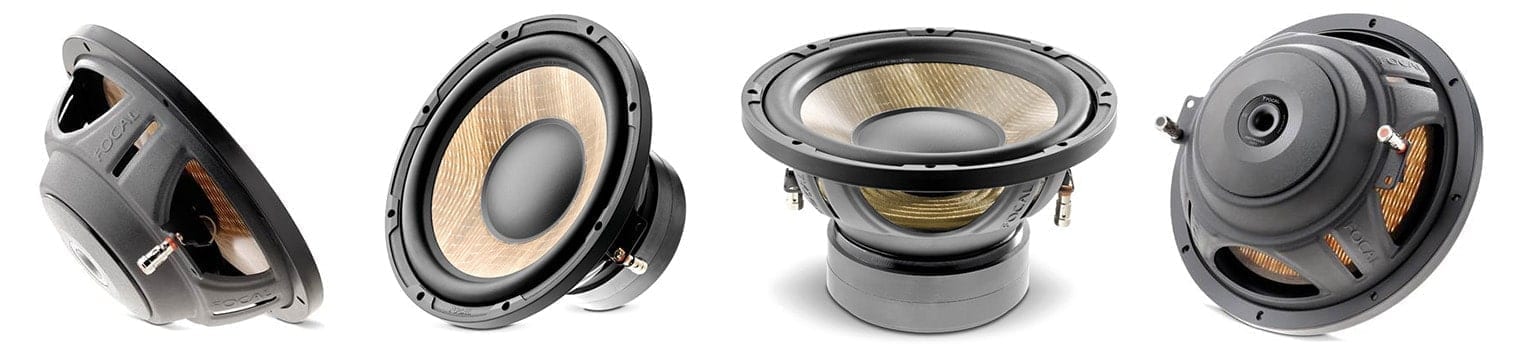
I’m a sucker for the way the Focal Flax Evo looks—but it’s on this list for how it sounds. The flax‑fiber cone (glass‑fiber skins over a flax core) keeps mass low and stiffness high, so bass has that warm, natural texture Focal is known for without getting woolly. In cars I’ve tuned with the 8″ and 10″, the low‑end is articulate and blends easily with front stages.
Thermal management is solid too: a fiberglass voice‑coil former and dual‑magnet motor help it stay linear. If you’re doing a refined daily SQ build and care about timbre and tone, this is where I’d start. For more background and pics, see my Flax Evo notes.
Setup tip: These play beautifully sealed for jazz/rock. If you need more output per watt, go ported but keep tuning conservative (low‑30s Hz) and deaden the trunk. My free‑air explainer covers when an infinite‑baffle approach makes sense (spoiler: rarely for these).
P 20 FE
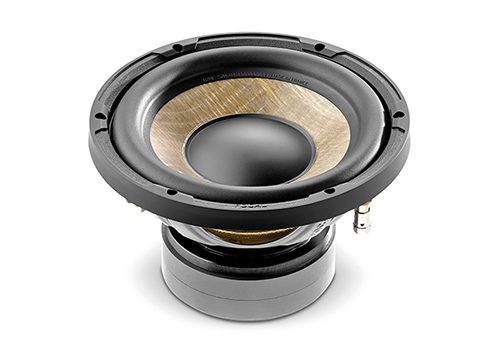
Subwoofer Size: 8“
Power Handling: 250W RMS SVC 4Ω
Price Comparison
P 25 FE
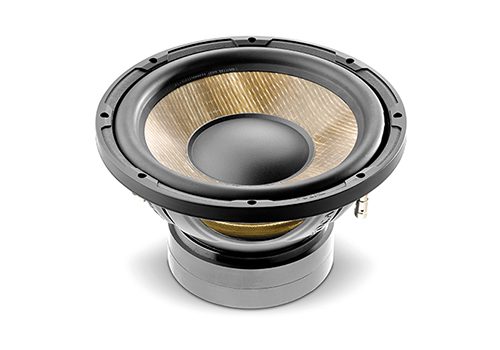
Subwoofer Size: 10″
Power Handling: 300W RMS SVC 4Ω
Price Comparison
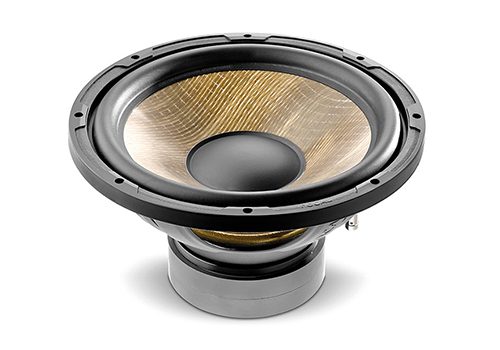
P 30 F
Subwoofer Size: 12″
Power Handling: 400W RMS SVC 4Ω
Price Comparison
Best Subwoofer for Clarity
JL Audio W6V3 Series
JL Audio W6V3 Series Subwoofer Review
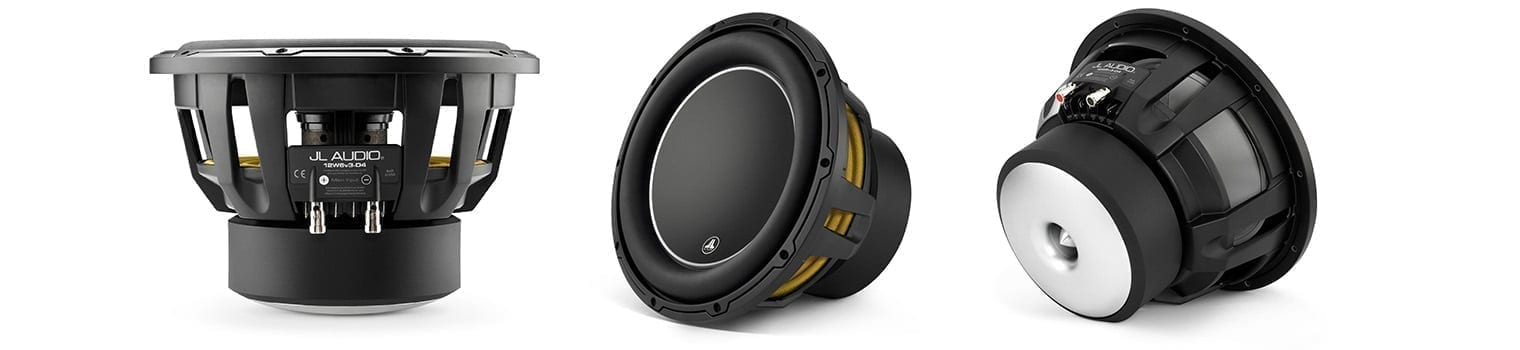
JL has spent decades earning trust with installers, and the JL Audio W6v3 is the one I recommend when you want “home‑theater‑grade” control in a daily driver. The mineral‑filled polypropylene cone and cast‑alloy basket stay quiet under stress, so bass remains clean at higher volumes and in smaller boxes.
What I love most is how well the 10″ performs in tight sealed enclosures (as small as ~0.6 ft³ net). In cars where space is tight, I can still get deep, articulate bass that integrates with a front stage. JL borrows heavily from the W7 here: DMA motor modeling, Pole‑Vent Airflow Control and Raised‑Frame Cooling are all on board. I’ve run W6v3s in my own vehicles—and even a few boats—and keep coming back to them for that “just right” mix of depth and definition.
Setup tip: For a balance of kick and depth, start sealed and cross ~70–90 Hz with 24 dB/oct. Add a ported option only if you strictly want more output per watt.
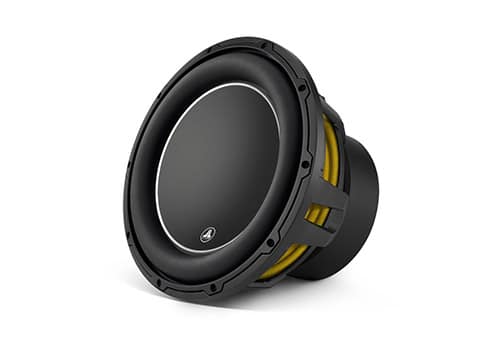
12W6v3-D4
Subwoofer Size: 12″
Power Handling: 600W RMS DVC 4Ω
Price Comparison
Editor’s Subwoofer Pick
Sony MobileES Series
Sony Mobile ES Subwoofer Review
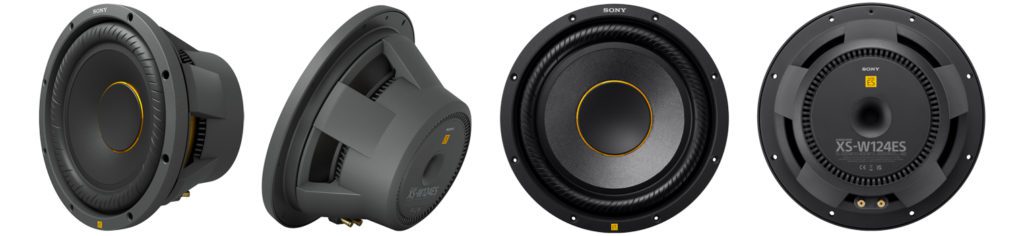
When Sony launched Mobile ES in 2021, I was eager to try the 10″ and immediately installed one in a Mk7.5 GTI build—great blend of punch and poise. In 2022 Sony added 12″ options in 2Ω and 4Ω, rounding out the lineup. I dig the looks and the tech: a honeycomb‑stamped aramid fiber cone for rigidity and Sony’s Separated Notch Edge surround plus a progressive‑rate spider to extend X‑max and efficiency.
If you want my full notes and measurements, check the Mobile ES 12″ review and the GTI install write‑up. These shine in modestly sized ported enclosures when you want more output without huge power.
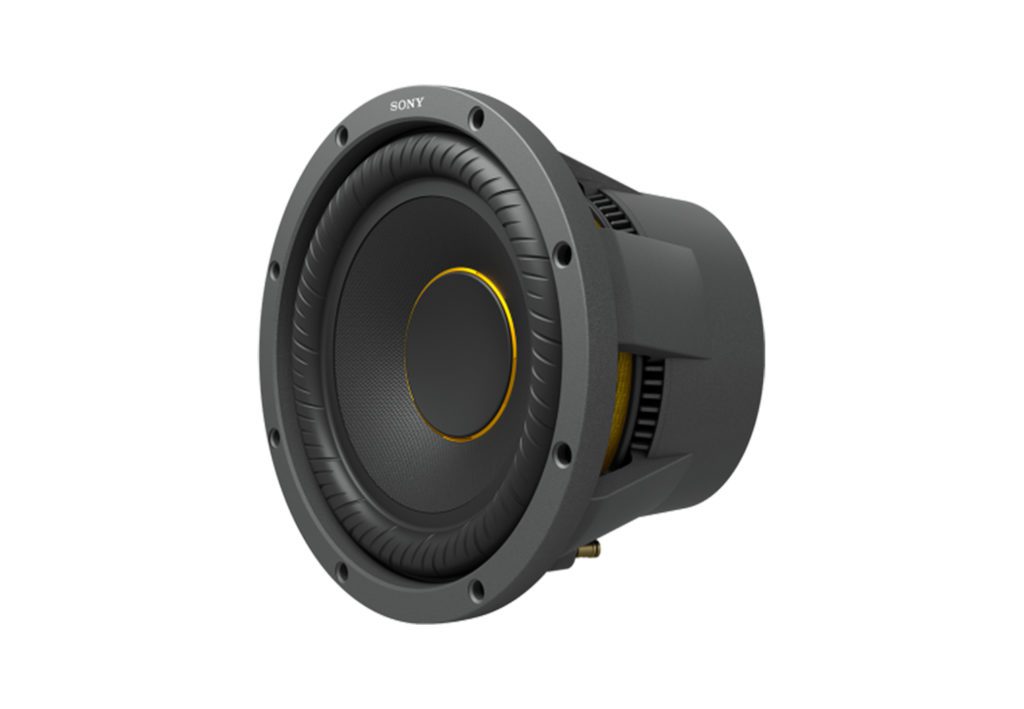
XS-W104ES
Subwoofer Size: 10″
Power Handling: 500W RMS 4Ω
Price Comparison
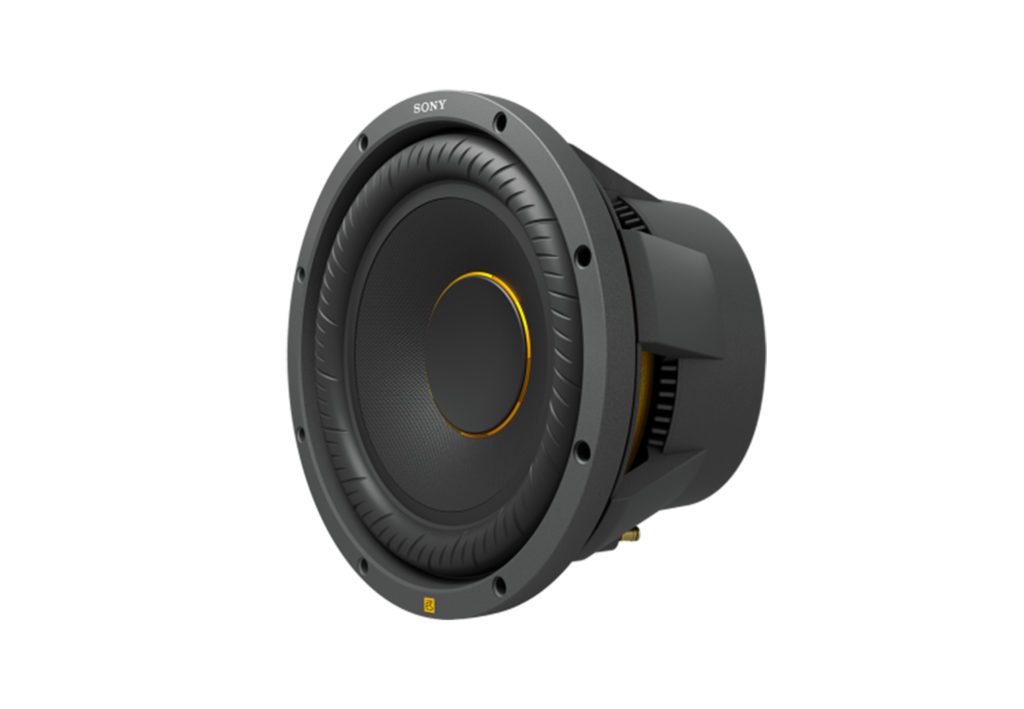
XS-W122ES
Subwoofer Size: 12″
Power Handling: 500W RMS 2Ω
Price Comparison
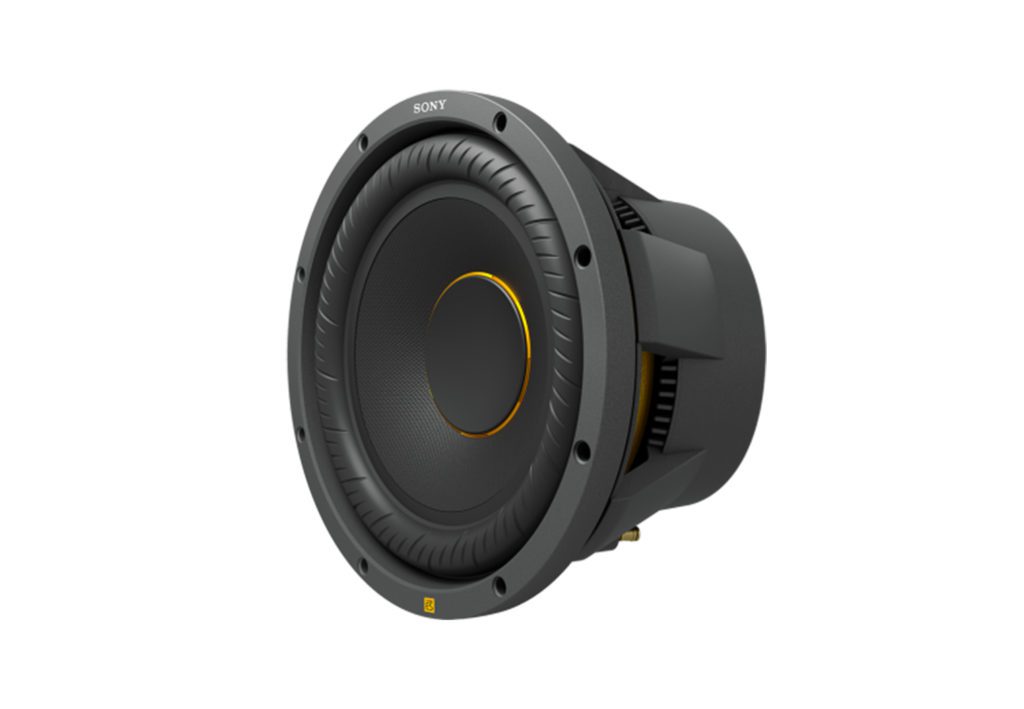
XS-W124ES
Subwoofer Size: 12“
Power Handling: 500W RMS 4Ω
Price Comparison
Best Value Car Subwoofer
Alpine 2nd Gen R Series
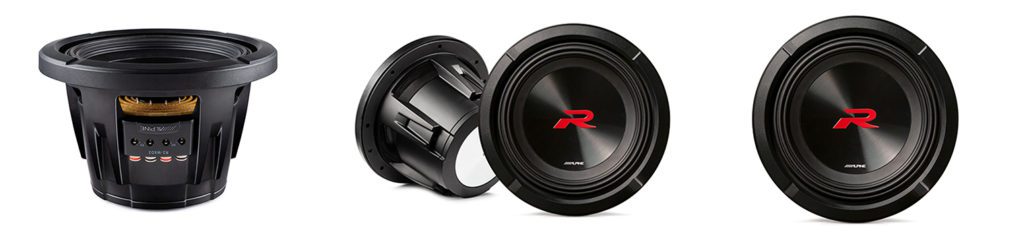
Alpine 2nd Gen R Series Subwoofer Review
Alpine’s latest R‑Series keeps what I liked about the original—big‑bass fun at a sane price—and improves motor force, cooling and surround geometry. With 2Ω and 4Ω DVC options across 8″/10″/12″ sizes, they’re easy to configure in pairs. You’ll want a healthy monoblock to wake them up.
The HAMR surround extends linear excursion, while a Kevlar‑reinforced pulp cone keeps mass down. A poly‑ceramic dust cap stiffens the cone further and the frame design minimizes unwanted resonances. If you’re cross‑shopping amps, my best car amplifiers roundup and amp matching guide will help you get the most from an R‑Series setup.
Setup tip: For daily drivers, I often cross these a touch lower (~60–70 Hz) to lean on their cone area, then trim room boom with your DSP or head unit EQ.
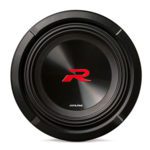
R2-W8D4
Subwoofer Size: 8″
Power Handling: 350W RMS DVC 4Ω
Price Comparison
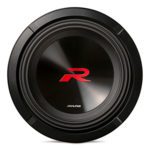
R2-W10D2
Subwoofer Size: 10“
Power Handling: 750W RMS DVC 2Ω
Price Comparison
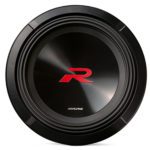
R2-W12D4
Subwoofer Size: 12“
Power Handling: 750W RMS DVC 4Ω
Price Comparison
Best Subwoofer for Harsh Environments
Polk Audio MM Series
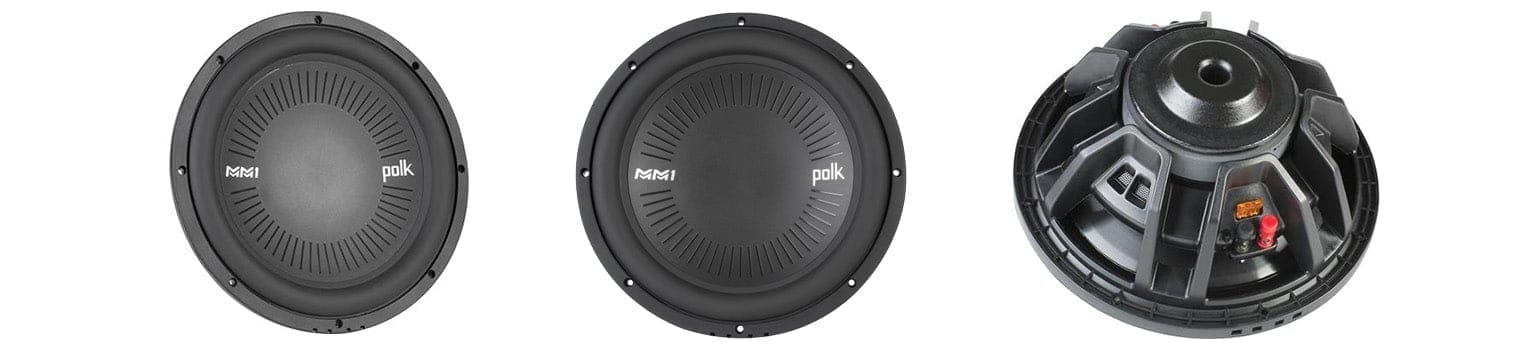
Polk Audio MM Series Subwoofer Review
For boats, UTVs and daily drivers that see heat and moisture, I trust Polk Audio MM. The composite cones and corrosion‑resistant hardware hold up, and the voicing is surprisingly musical for a “go anywhere” woofer. If you’re outfitting a marine build, pair one with a compact, sealed enclosure and reference my marine monoblock review for amp ideas.
Setup tip: Keep the install meticulous—gaskets, stainless fasteners, and proper AWG. My amp wiring how‑to and wire gauge guide apply here too.
Go All Out!
Rockford Fosgate Power T1 Series
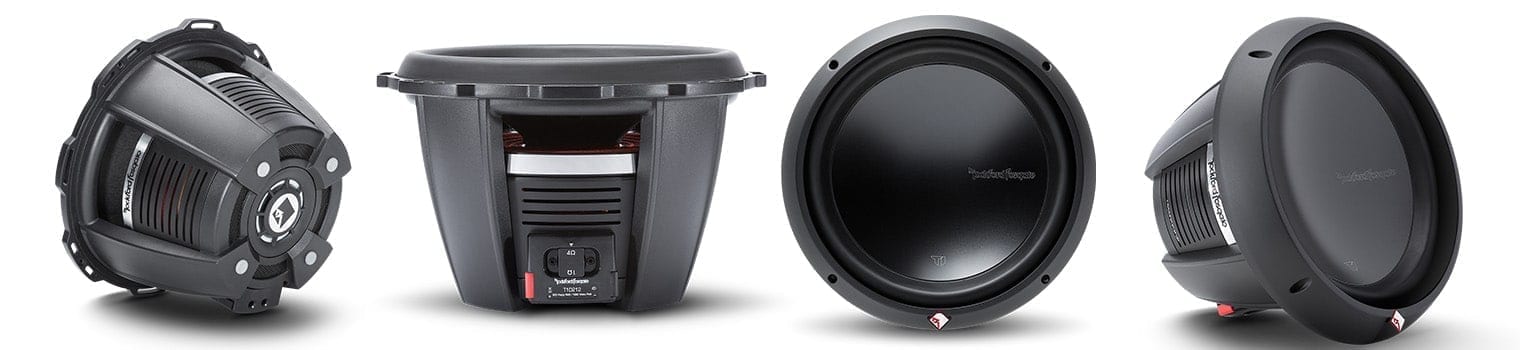
Rockford Fosgate Power T1 Series Subwoofer Review
If your goal is window‑rattling output and respectable control, the Rockford Fosgate Power T1 is a blast. VAST surround tech makes each driver behave like it’s ~25% larger, while the Kevlar‑reinforced paper cone, beefy spiders and die‑cast frame soak up abuse. In big ported boxes with proper power, these get unruly—in a good way.
Setup tip: Plan your electrical early (alternator, wiring, battery) and verify your amp’s true output at the target impedance. If you’re curious about Rockford’s 19″ monster and box requirements, I covered those tradeoffs here: T3 Super Woofer.
Best Low Cost Subwoofer
MTX 55 Series
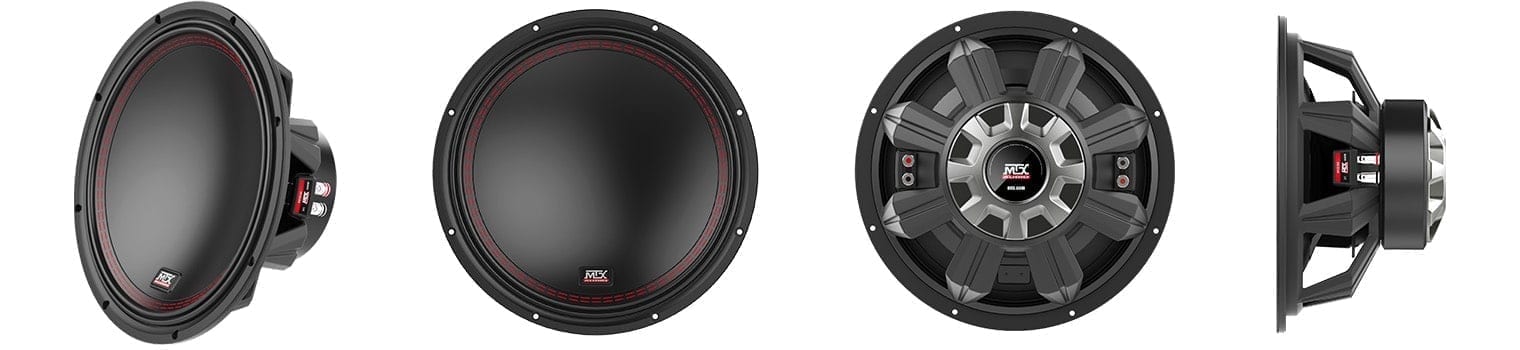
MTX 55 Series Subwoofer Review
Good bass on a budget is absolutely doable. MTX borrows proven bits from its pricier lines—an inverted‑apex surround for more cone area, progressive spider for control, ribbed T‑Yoke for cooling—and packages them into the MTX 55. I’ve used these in first‑system builds where value matters. Keep expectations realistic, give them a solid ported enclosure, and they’ll surprise you.
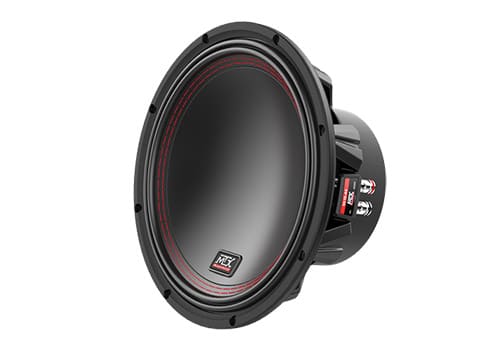
5510-44
Subwoofer Size: 10″
Power Handling: 400 RMS DVC 4Ω
Price Comparison
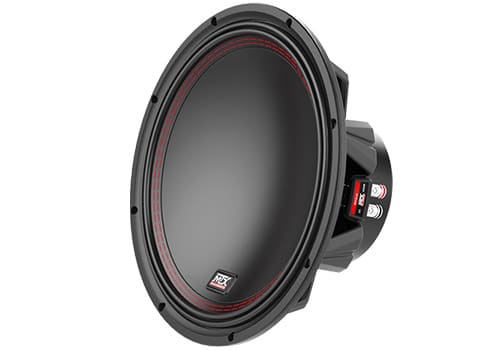
5512-44
Subwoofer Size: 12″
Power Handling: 400W RMS DVC 4Ω
Price Comparison
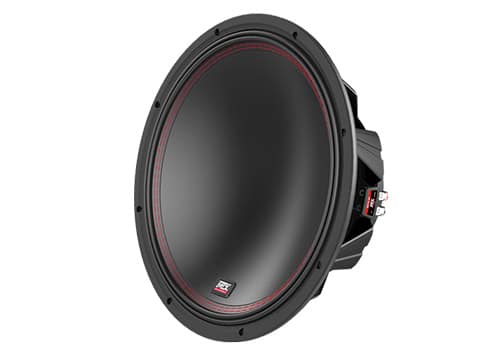
5515-44
Subwoofer Size: 15″
Power Handling: 400W RMS DVC 4Ω
Price Comparison
Setup tip: Don’t skimp on the box—glue/screw every joint, add bracing if it’s a large enclosure, and verify tuning with those bass‑reveal tracks.
What to consider before you buy
- Space & box type: Sealed = tighter, smaller; Ported = louder per watt. My box primer has visuals and example volumes.
- Impedance & coils: DVC drivers are easier to wire for the amp you own. Use my pairing guide to avoid mismatches.
- Power & electrical: Target clean RMS, not peak. If you’re new to tuning, start with my amp tuning quick guide.
- Install quality: Deadening, proper wire and grounds matter as much as gear. Here’s how I install & wire amps, plus a wire gauge explainer.
If you want to see how I tie everything together in a modern vehicle, this F‑150 install & tuning walkthrough covers enclosure fitment, rack design, DSP setup and gain staging.