What 6×9″ Car Speakers Are, Who This Guide Is For & Where They Typically Fit
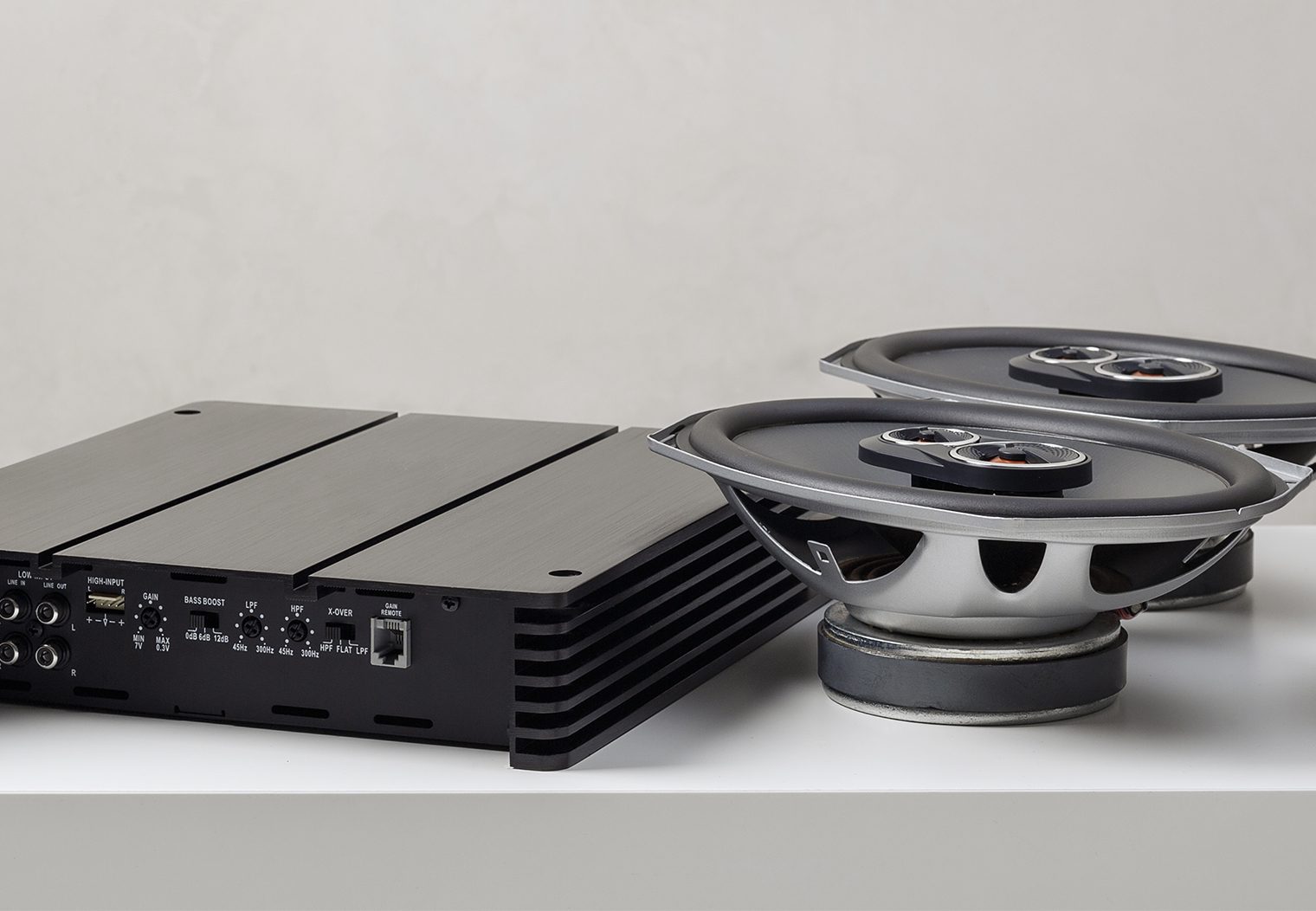
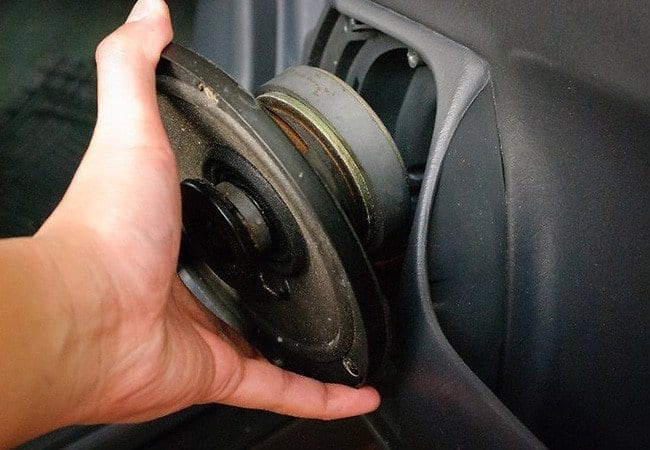
I’ve been testing and installing 6×9s for years. A 6×9 is an oval, full-range car speaker that packs more cone area than a 6.5″ in roughly the same footprint. That extra cone area means better mid-bass “punch” and better output on factory power. You’ll commonly find 6×9 locations in rear decks of sedans and coupes, rear doors of many trucks/SUVs (especially domestic makes), and in some front doors with adapters. If you’re unsure what your vehicle uses, start with my Interactive Car Speaker Size Chart to confirm fitment and depth before you buy.
Who is this list for? Anyone replacing factory speakers and wanting a noticeable jump in clarity, output and mid-bass—whether you’re staying on deck power, adding a compact amp, or building a full system with a sub. I’ll note where each pick shines and add install tips based on my own in-car tests.
| Setup | What to Expect | Spec Priorities |
|---|---|---|
| Factory head unit only | Solid volume, big step up in clarity | Higher sensitivity (>90 dB), 3–4Ω nominal, moderate RMS (50–100W) |
| Factory deck + small 4-ch amp | Cleaner, louder, better mid-bass | RMS 75–120W, 3Ω designs do well on factory wiring, quality tweeter materials |
| Full system + sub | Hi-fi sound, headroom at volume | RMS 100–150W+, low distortion, good off-axis response; add door deadening |
Editor’s note: This guide was refreshed with new testing notes, spec fixes, and internal resources on November 6, 2025. For the bigger picture across all sizes, see my updated Best Car Speakers by Size hub.
Best Overall 6×9 Car Speaker
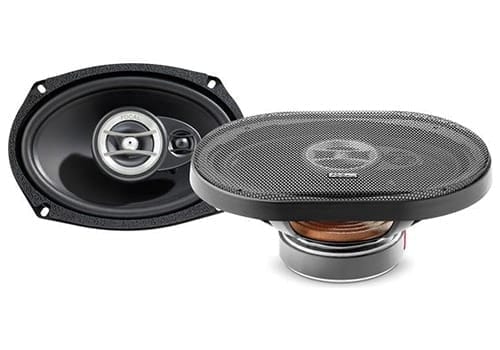
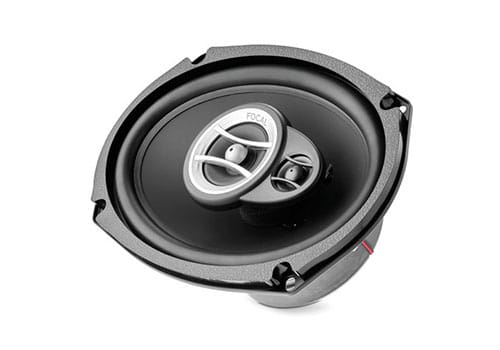
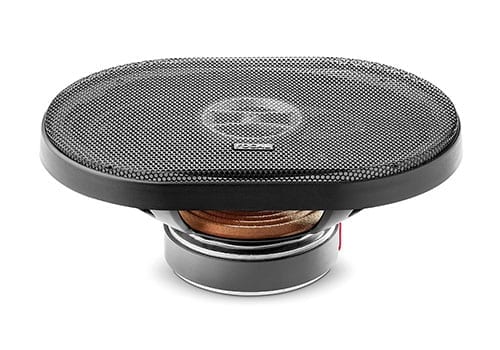
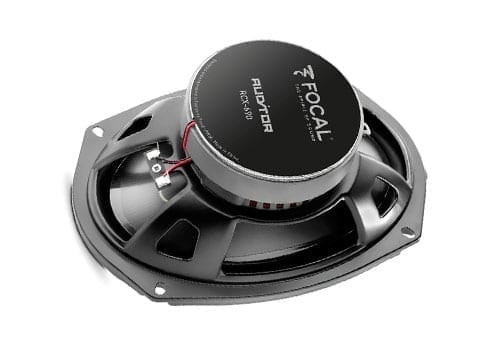
Focal RCX-690
Latest Prices
Focal RCX-690 Quick Review
If you want a “drop-in and immediately better” upgrade, this is the one I keep coming back to. The RCX-690’s airy highs and tight, realistic mid-bass make factory systems sound more expensive without getting harsh at volume. I’ve used these as rear-deck fills and in front doors (with adapters). On deck power they’re lively; add a small 4-channel and they scale nicely. If you’re chasing the last octave of bass, pair them with a compact sub from my Best Car Subwoofers list for a complete system.
What I Like About the RCX-690
Superb top-end detail without the “splashy” edge; smooth, natural mids; and surprisingly good mid-bass for a coax. They’re also forgiving to tune—great for first upgrades. If you’re new to installs, skim my speaker install guide first and consider basic door deadening to tighten mid-bass.
Key Features
| Make | Focal |
| Model | RCX-690 |
| Size | 6×9 Coaxial |
| Power (RMS) | 80 watts |
| Power (Peak) | 160 watts |
| Frequency Response | 50 – 20,000 Hz |
| Sensitivity | 92 dB |
Reasons to Buy
- Superb sound quality, particularly at high frequencies
- Smooth sound and nice deep mid-bass for a coax
- Great performance for the price; easy to power
Reasons Not to Buy
- Require slightly more mounting depth than some factory baskets
Best Three-Way 6×9 Car Speaker
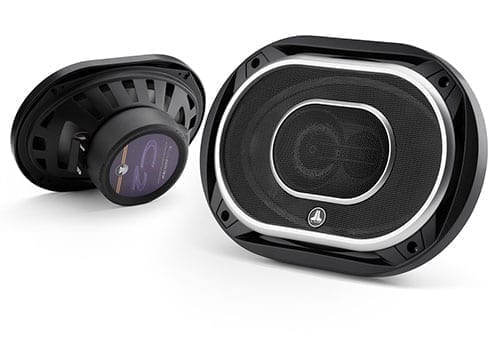
JL Audio C2-690TX
Latest Prices
JL Audio C2-690TX Quick Review
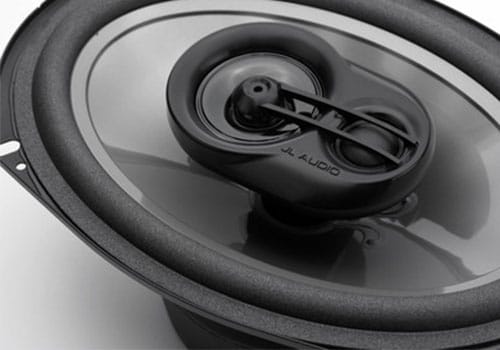
This three-way remains a favorite when I want “hi-fi” sparkle from a coax. JL’s silk dome tweeter + super-tweeter combo gives cymbals and vocals depth without harshness, while the woofer delivers controlled mid-bass. On a stock deck you’ll notice cleaner highs; add a modest amp and they open up further. If you’re pairing with an amp, review my quick amp-matching guide to get gains and crossover points right.
Technical Details
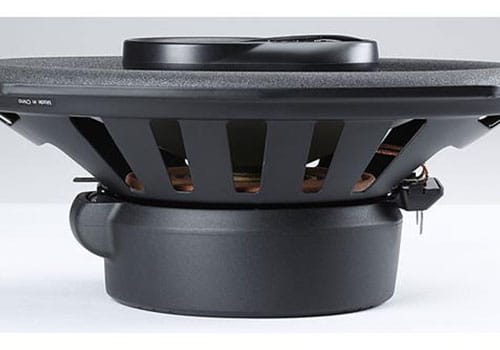
Mica-injected woofer cone with polyether foam surround; silk dome tweeter and Mylar super-tweeter; 4Ω nominal; handles 15–70W RMS (225W peak); 53–22k Hz frequency response. If your doors are shallow, measure depth and consider a spacer ring.
Key Features
| Make | JL Audio |
| Model | C2-690TX |
| Size | 6×9 Coaxial |
| Power (RMS) | 70 watts |
| Power (Peak) | 225 watts |
| Frequency Response | 53 – 22,000 Hz |
| Sensitivity | 93 dB |
Reasons to Buy
- Superb midrange/high-frequency detail with natural tone
- Good bass response, especially with a modest amplifier
Reasons Not to Buy
- Raised tweeter array and depth can complicate tight door installs
Best 6×9 Car Speaker for Bass
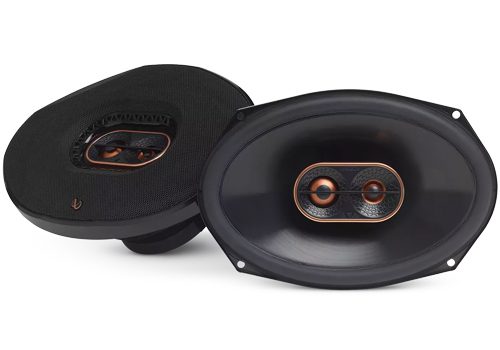
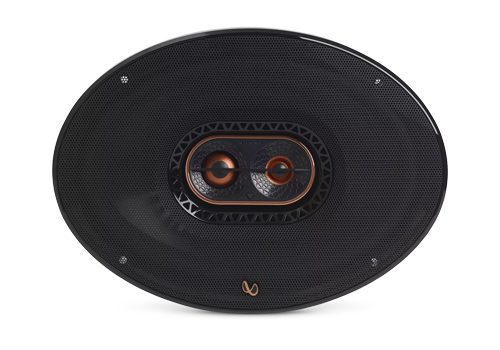
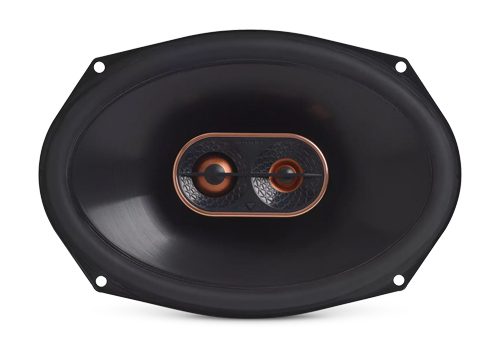
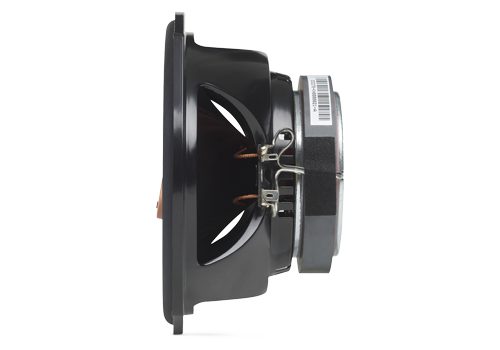
Infinity REF-9633ix
Latest Prices
Infinity Reference 9633ix Quick Review
If you like a warm, bass-forward balance on factory power, start here. Infinity’s Plus One™ cone area and 3Ω nominal load help you squeeze more output from stock wiring. In my installs, these deliver fuller kick drum and bass guitar than most budget 6×9s without turning the highs brittle. If you plan to add a sub later, they integrate easily—cross them at ~80 Hz and let a mono block handle the heavy lifting (amp picks here).
Key Features
| Make | Infinity |
| Model | REF-9633ix |
| Size | 6×9 Coaxial |
| Power (RMS) | – |
| Power (Peak) | – |
| Frequency Response | – |
| Sensitivity | – |
Reasons to Buy
- Fuller, punchier low-end than most in the price range
- 3Ω nominal load plays louder on factory power
Reasons Not to Buy
- Top-mount height/depth can be tight in some doors—measure first
Best 6×9 Speaker for Clarity
Infinity Kappa 693M
Latest Prices
Infinity Kappa 693M Quick Review
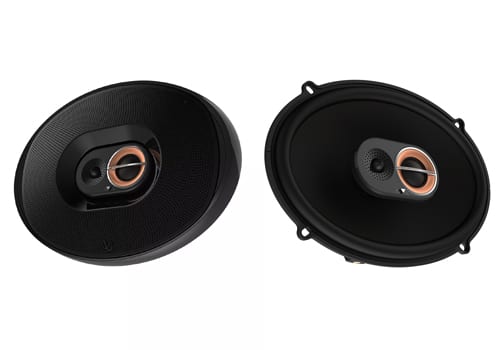
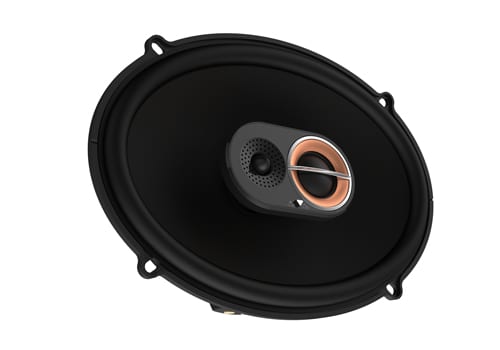
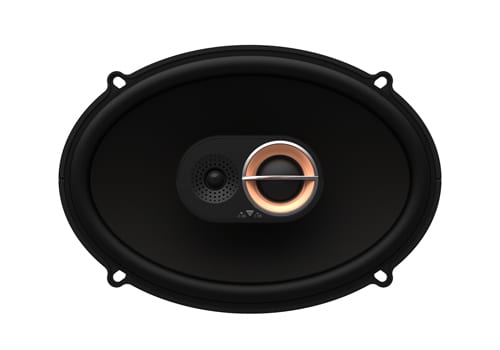
Kappa is Infinity’s “no-compromise” line and the 693M shows it. In my tests, these sound like a high-end home tower—clean, dynamic, and composed when you turn them up. The 3Ω nominal impedance squeezes a bit more power from factory wiring, and the edge-driven textile tweeter stays smooth. If you want the most refined 6×9 on this list for vocals and detail, this is it.
Technical Details
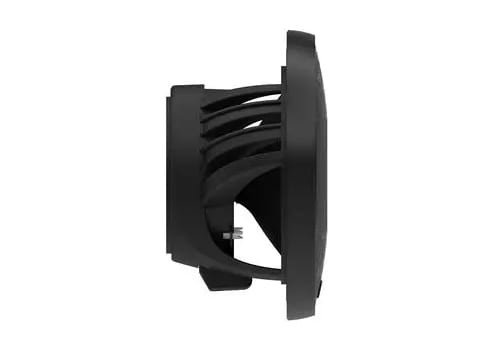
Three-way design with optional midrange bandpass (for advanced active setups); 3Ω nominal; rated 120W RMS / 360W peak; 35–40k Hz response; glass-fiber woofer cone with Plus One™ architecture. Planning to amplify? See my amp matching guide.
What the Kappa 693M Replaces
It succeeds the long-running Kappa 93ix with updated cosmetics and a higher-extension tweeter. No swivel on the new tweeter, but on-axis performance is better and HF extension reaches to 40k Hz.
Key Features
| Make | Infinity |
| Model | Kappa 693M |
| Size | 6×9 Coaxial |
| Power (RMS) | 120 watts |
| Power (Peak) | 360 watts |
| Frequency Response | 35 – 40,000 Hz |
| Sensitivity | 94 dB |
Reasons to Buy
- As tough as they are good-looking
- High-end factory upgrade that scales with power
- Optional bandpass lets advanced users run a true 3-way
Reasons Not to Buy
- Grille styling is subjective versus the previous model
- Three-way expansion adds complexity some users don’t want
Best 6×9 Speaker for Volume
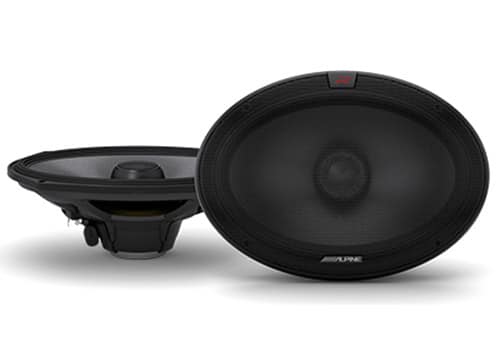
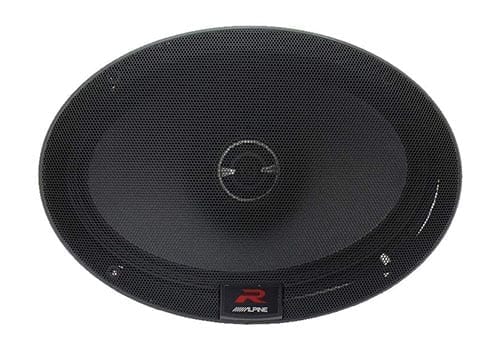
Alpine R-S69.2
Latest Prices
Alpine R-S69.2 Quick Review
Alpine’s R-Series is my go-to when I want to turn it up without breakup. This two-way favors top and bottom octaves—great as rear-deck or rear-door fill with strong mid-bass and a crisp top end. In front doors, pair them with a mid-forward set up front (or components) for balance. A bit of deadening behind the woofer improves punch; see my F-150 install notes for placement tips.
Technical Details
Two-way design; carbon-fiber reinforced polypropylene woofer cone; rated 100W RMS / 300W peak; 60–29k Hz response; 90 dB sensitivity. Best results with a clean 60–100W/ch amplifier and an 80–100 Hz high-pass when you have a sub.
Key Features
| Make | Alpine |
| Model | R-S69.2 |
| Size | 6×9 Coaxial |
| Power (RMS) | 100 watts |
| Power (Peak) | 300 watts |
| Frequency Response | 60 – 29,000 Hz |
| Sensitivity | 90 dB |
Reasons to Buy
- Great for high-fidelity highs and strong mid-bass at volume
- Durable build; proven R-Series reliability
- Excels when high-passed and paired with a sub
Reasons Not to Buy
- Two-way means lighter midrange presence versus a 3-way
- Really wakes up with an amplifier—deck power is “okay”
Best Budget/Value 6×9 Car Speaker
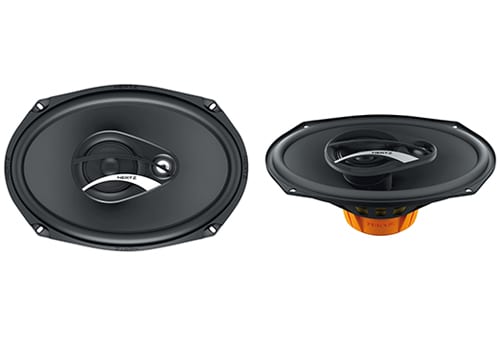
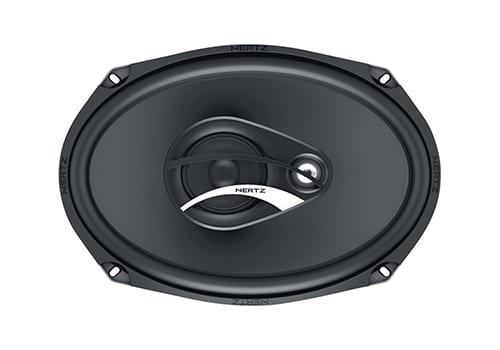
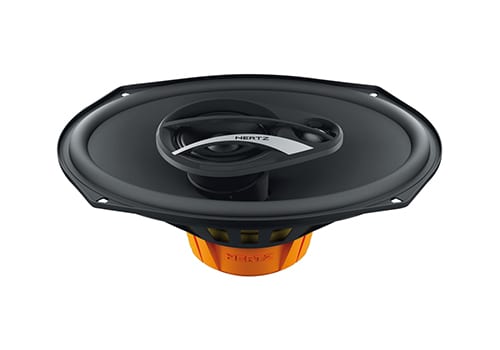
Hertz DCX 690.3
Latest Prices
Hertz DCX 690.3 Quick Review
Not the cheapest “budget” 6×9—but the best bargain on sound. The DCX 690.3 looks OEM, yet Hertz’s tuning makes it feel a class up in clarity and balance. Paper cone + PEI dome combo keeps weight low and dynamics snappy on deck power. Great as an everyday factory replacement when you want an audible upgrade without chasing amps right away.
Technical Details
Three-way coax; pressed paper woofer, polyurethane surround; PEI dome tweeter with oversized motor; treated paper mid; 90W RMS / 180W peak; 45–21k Hz; 93 dB sensitivity. If you’re installing in trucks/SUVs, my Ram 1500 door-speaker how-to shows the typical steps.
Key Features
| Make | Hertz |
| Model | DCX 690.3 |
| Size | 6×9 Coaxial |
| Power (RMS) | 90 watts |
| Power (Peak) | 180 watts |
| Frequency Response | 45 – 21,000 Hz |
| Sensitivity | 93 dB |
Reasons to Buy
- Excellent sound quality from a lightweight, efficient speaker
- High-end tuning at a mid-price = great value
Reasons Not to Buy
- Deeper magnet may require spacers in tighter door panels
- Price sits just below higher-tier options
Runner Up, Best Low Cost 6×9 Speaker
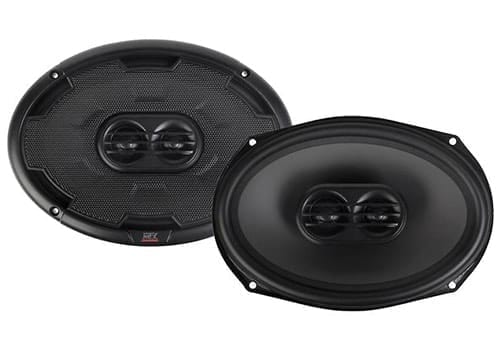
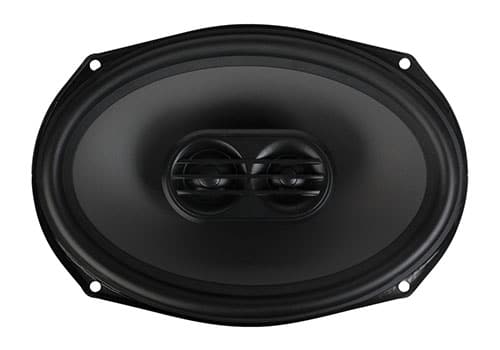
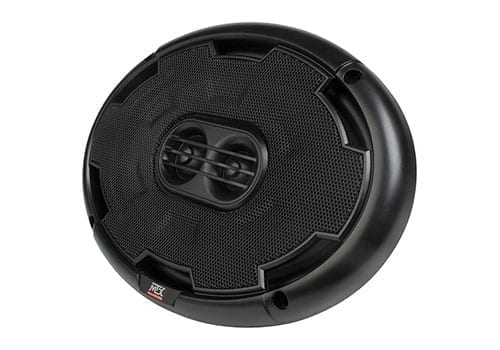
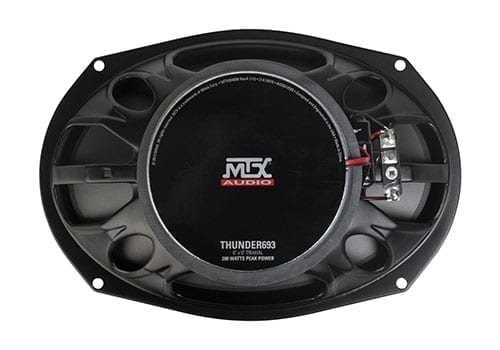
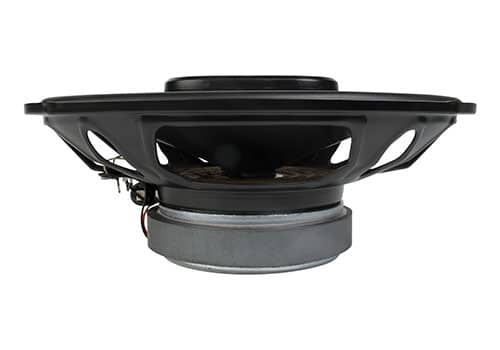
MTX THUNDER693
Latest Prices
MTX THUNDER693 Quick Review
If your complaint with most 6×9s is “not enough bass,” the Thunder693 leans into low-end fun. It’s an easy win for older sedans with rear-deck cutouts where you want a fuller bottom end on deck power. Tuning is bass-forward; mids/highs stay decent but aren’t the star. If you’ll add a sub later, consider a more balanced pick above and let a sub do subwoofer things.
Technical Details
Three-way coax; polypropylene woofer with rubber surround; silk dome tweeters; ~100W RMS (entry-level power handling). For more system-wide bass with better mid clarity, pair a balanced 6×9 with a compact sub from my subwoofer guide.
Reasons to Buy
- Noticeably deeper, fuller bass than many entry 6×9s
- Simple upgrade that doesn’t require a big amp
Reasons Not to Buy
- Bass-heavy tuning can make mids sound a bit congested at volume
- Close in price to more balanced options above
Installation tip: For door locations, plan on basic deadening and a foam gasket around the speaker to reduce panel buzz and improve coupling (sound dampening guide). If you’re replacing deck speakers, follow the speaker install how-to for trim removal and safe wiring basics.
FAQs
- Are 6×9s “better” than 6.5s? It depends on goals and fitment. 6×9s offer more cone area (more mid-bass, more output on deck power). 6.5s often image better up front and have broader aftermarket options. Use the fitment tool and match your goals.
- Do I need an amp for 6×9s? No, but a clean 60–100W/ch amp improves headroom and bass control. See my amp pairing guide.
- Should I run 6×9s in the front doors? If your vehicle fits them (many trucks/SUVs do), they can be great up front. Prioritize deadening and aim tweeters toward ear level when possible. Otherwise, 6.5″ components up front + 6×9 rear fill is a proven combo.
- Will 6×9s replace 6×8 or 5×7? Sometimes with an adapter bracket; check the depth and top-mount height. My size chart covers common swaps.