Who this guide is for
If you want a plug-and-play upgrade that actually sounds like an upgrade without the complexity of separates, this list is for you. I built it for DIYers replacing factory speakers, daily drivers that need reliable output, and enthusiasts who plan to add an amp later. I’ve kept the picks diverse so you can choose based on your power, budget and sound goals.
Coaxial speakers 101 (vs components)
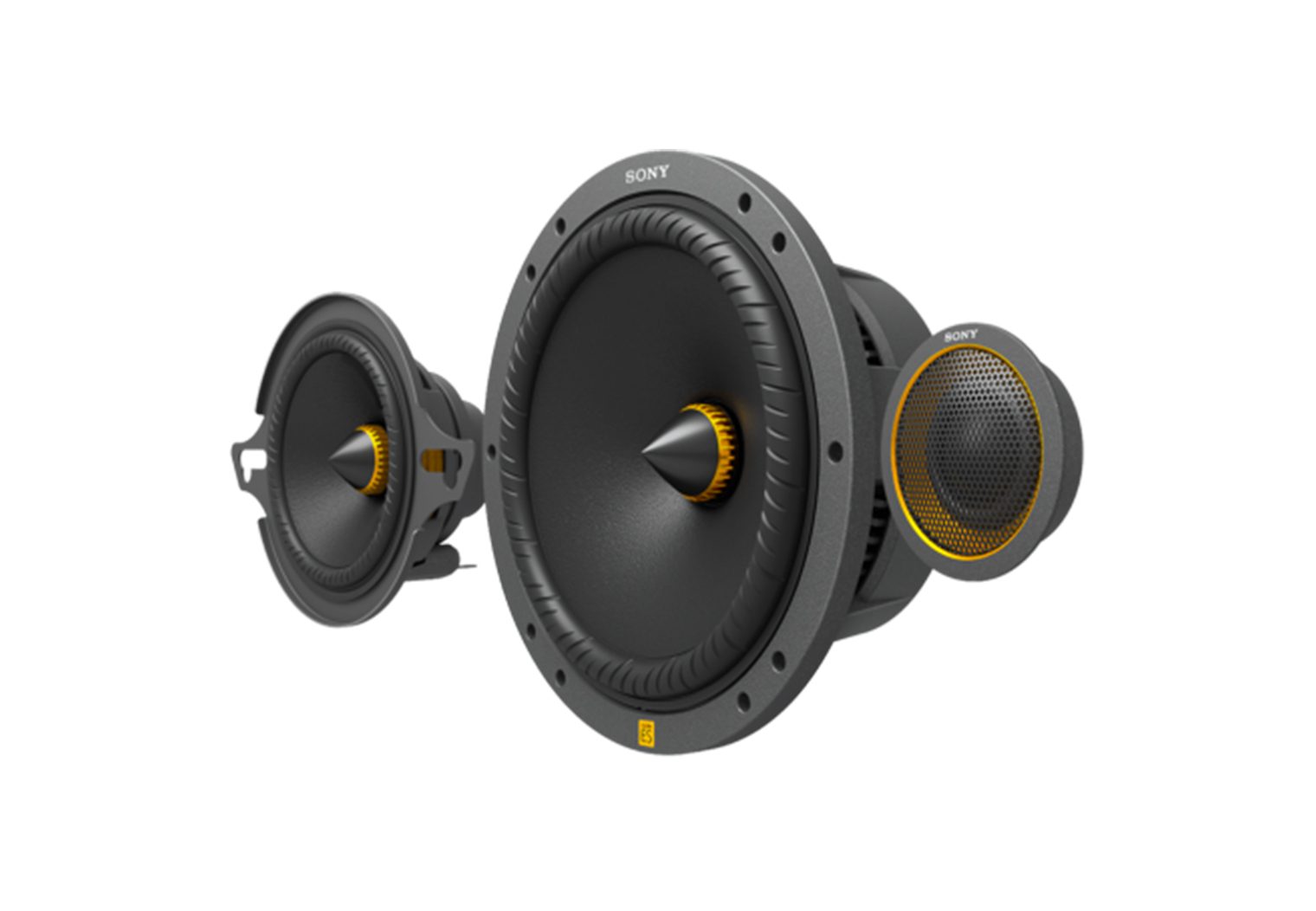
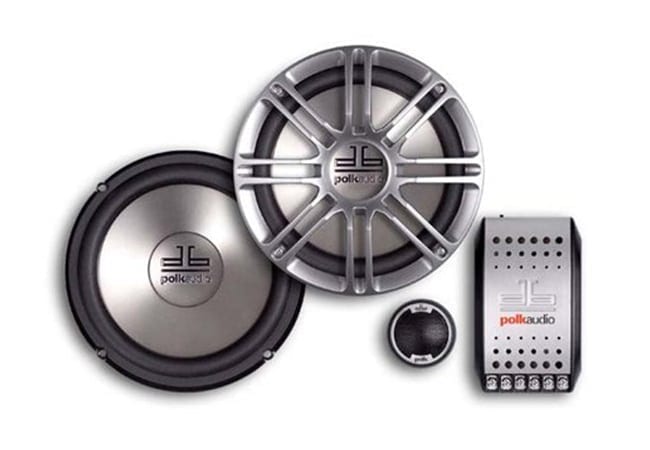
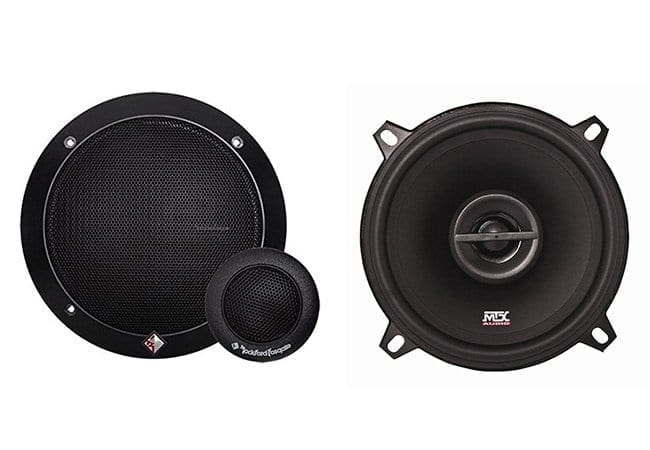
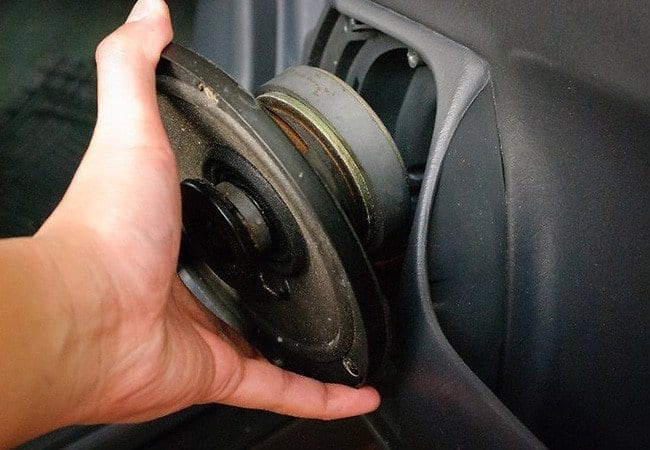
Coaxials combine the woofer and tweeter in one basket with a simple built-in crossover. That makes installs quicker and often cheaper. Component speakers separate the tweeter and crossover for more tuning and staging control, but they take more time and planning. If you’re after the simplest path to cleaner mids and highs with better clarity than stock, coaxials are a great starting point. If you want full control of imaging or plan an SQ build, check my Best 6.5″ Component Speakers guide for alternatives.
Power matching & install tips
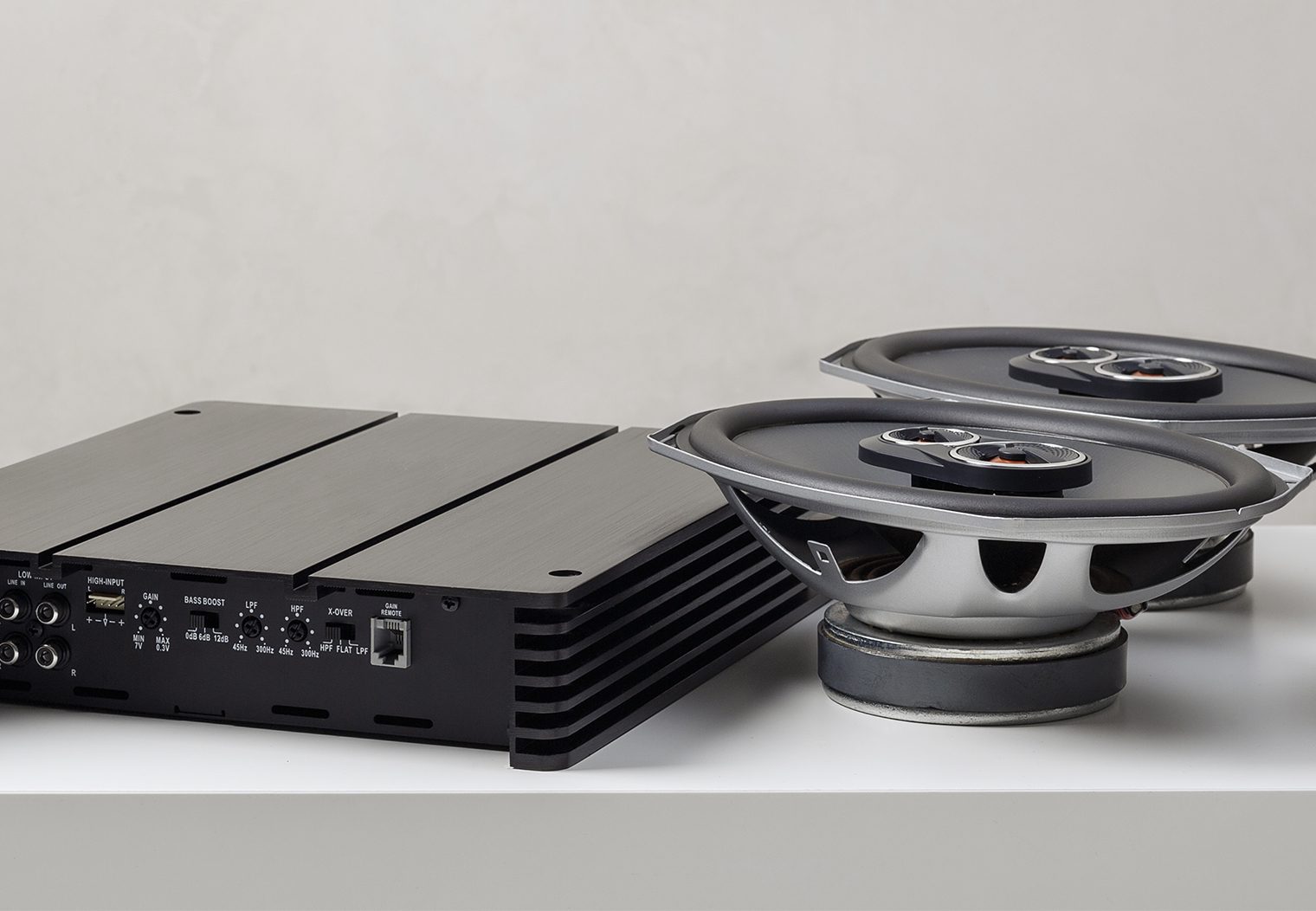
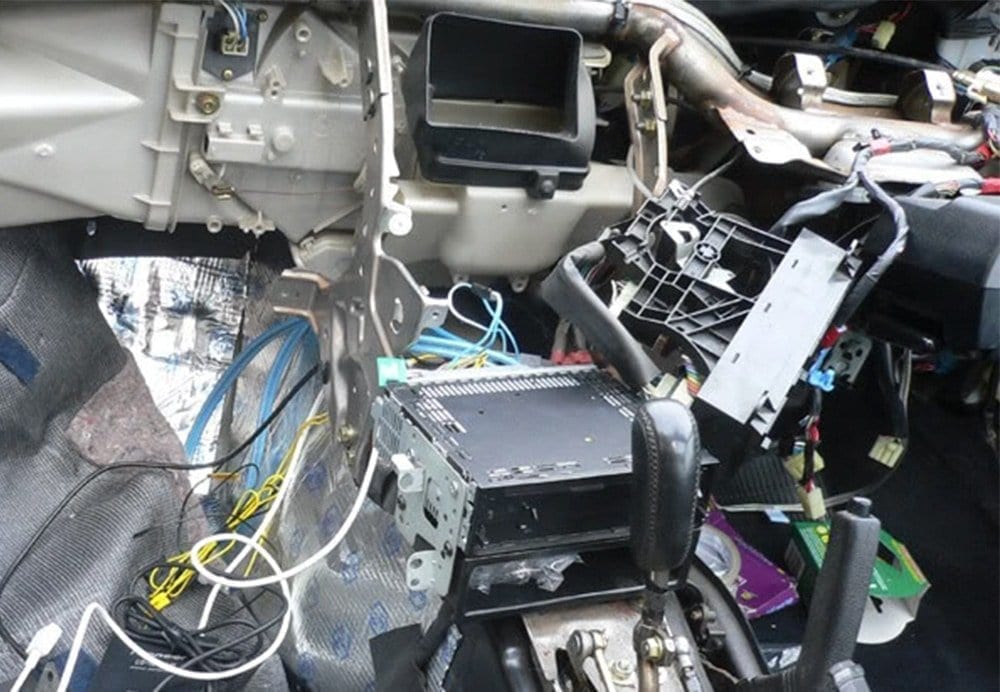
Coaxials come alive with clean power and deadened doors. Aim for an amp that matches the speaker’s RMS (or slightly under) and set gains properly. If you’re staying on head-unit power, pick efficient models (true 4 Ω or ~2.7–3.5 Ω nominal) with higher sensitivity and keep expectations realistic. A bit of door deadening will noticeably tighten mid-bass on every set here.
At-a-glance comparison
| Model | RMS | Peak | Sensitivity |
|---|---|---|---|
| Focal PC 165 FE | 60 W | 120 W | 91 dB |
| Morel Tempo Ultra Integra 602 MKII | 110 W | 220 W | 90 dB |
| JL Audio C3-650 (convertible) | 75 W | 150 W | 90 dB |
| Alpine R2-S65 | 100 W | 300 W | 88 dB |
| Infinity PR6512is | 55 W | 165 W | ~88–92 dB* |
| Rockford Fosgate Power T1675 | ??? W | 140 W | 88 dB |
| Polk Audio DB652 | 100 W | 300 W | 92 dB |
*Infinity’s PR series measures around 2.7 Ω at the driver to net a true ~4 Ω at the radio once you include factory wiring. That trick helps them stay lively on stock power.
Best Overall 6 1/2″ Coaxial Car Speaker Pick
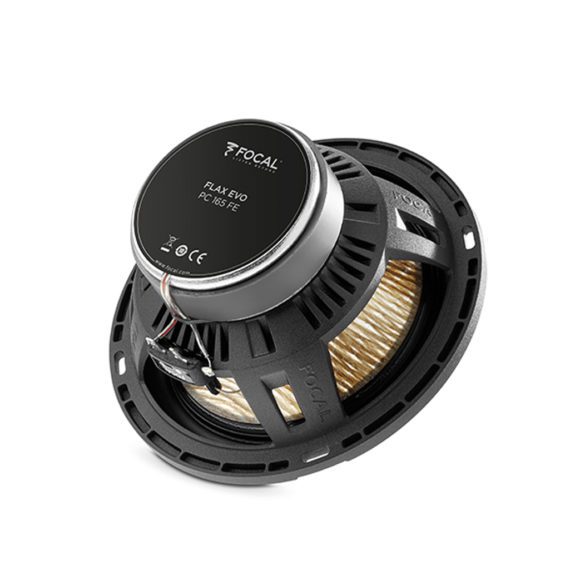
Focal PC 165 FE
Latest Prices
Focal PC 165 FE Review
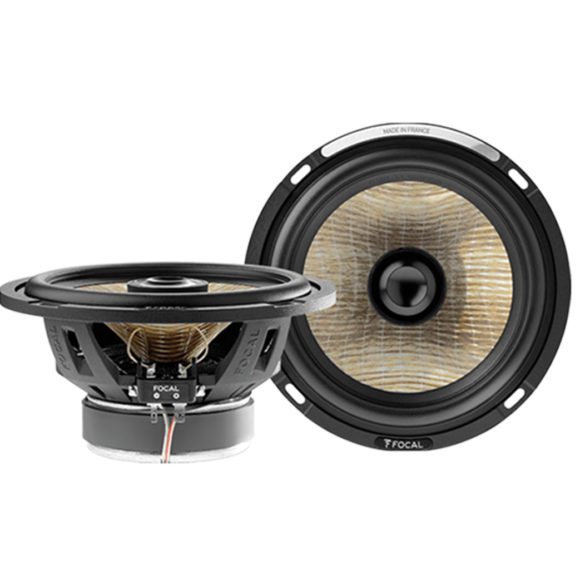
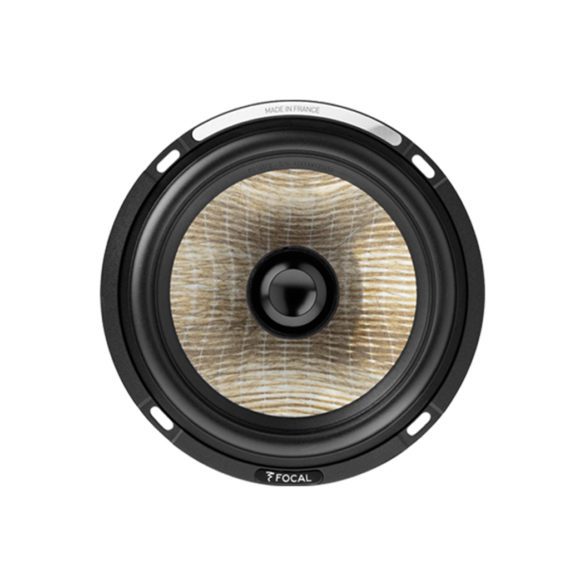
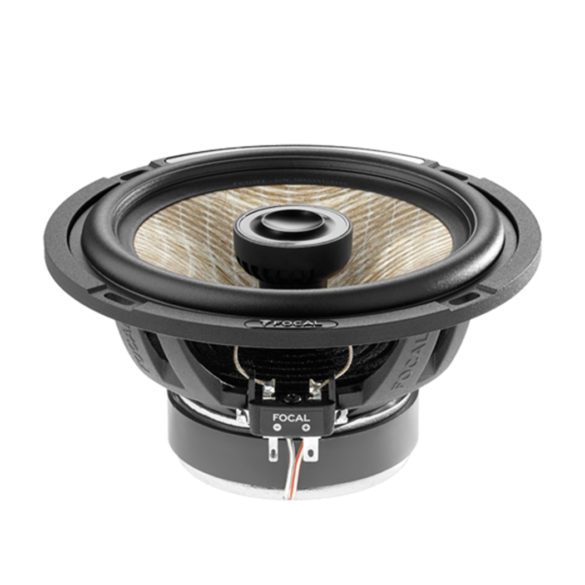
If you asked me for the one coaxial that sounds “finished” right out of the box, I’d point you here. The PC 165 FE uses Focal’s flax cone and inverted M-profile tweeter to deliver detail without edge, plus a mid-bass thump that feels bigger than a 6.5″ should. In deadened doors on clean 60–80W RMS per channel, these open up with great vocal presence and cymbal air. If you want to see more close-ups and measurements, I’ve documented them on my PC 165 FE product page.
Woofer Design
The flax sandwich cone is rigid and light, so transient response stays crisp while the TMD surround keeps excursion linear. In untreated doors the low end is already respectable; add basic deadening and you’ll get a tighter mid-bass hit with less panel rattle.
M-Profile Tweeter
Focal’s aluminum/magnesium inverted dome gives you sparkle and stage height without typical metal-dome bite. Off-axis it remains smooth, so these work well in stock locations where the tweeter fires across the cabin.
Power & Performance
They’ll play on a head unit in the short term, but you’ll only hear what they really do with an amp. Target ~60W+ RMS and set gains correctly (my quick gain guide walks you through it). If you’re piecing together a full system, pair them with a neutral four-channel from my Best Car Amplifiers.
Key Features
| Make | Focal |
| Model | PC 165 FE |
| Size | 6.5″ Coaxial |
| Power (RMS) | 70 watts |
| Power (Peak) | 140 watts |
| Frequency Response | 60 – 28,000 Hz |
| Sensitivity | 90 dB |
Reasons to Buy
- Balanced “hi-fi” sound with real mid-bass punch once doors are treated
- Smooth, detailed highs that don’t get fatiguing off-axis
- Excellent build quality and reliability for daily use
Reasons Not to Buy
- Really deserves an external amp to shine
- Not ideal for open-air or motorcycle fairings
Best Entry Level 6.5″ Coaxial Speaker
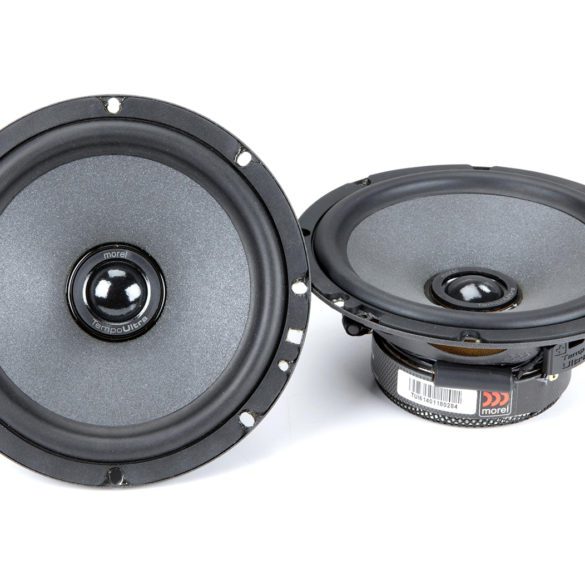
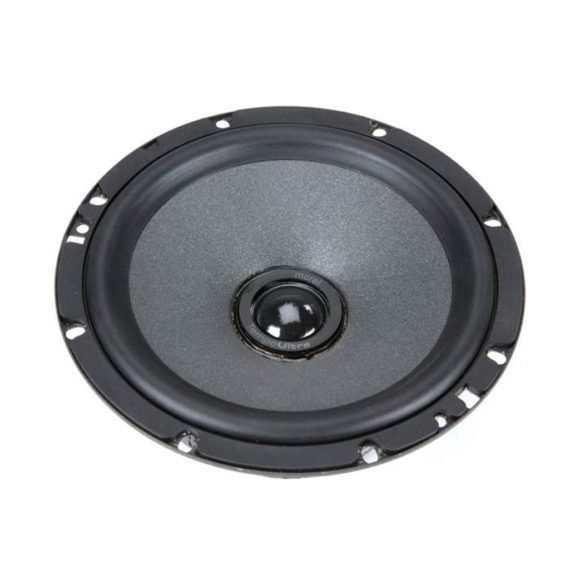
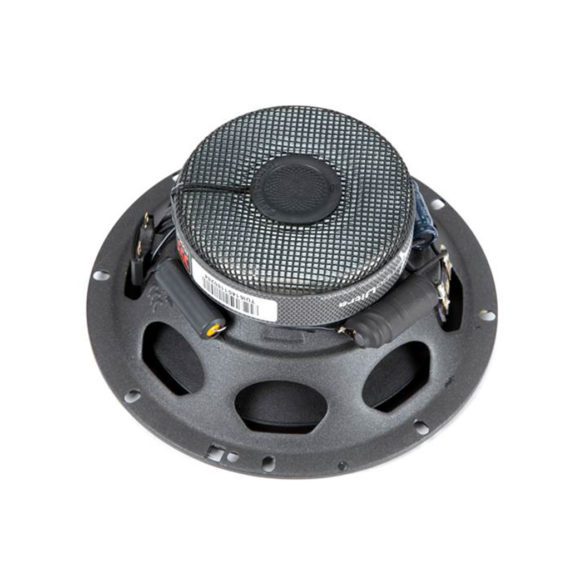
Morel Tempo Ultra Integra 602 MKII
Latest Prices
Morel Tempo Ultra Integra 602 MKII Review
When someone wants a warmer, “musical” signature that still gets loud cleanly, I steer them to this set. Morel’s Integra design nests the soft-dome tweeter concentrically with the woofer for coherent imaging and a fatigue-free top end. On ~75–110W RMS they deliver effortless dynamics and rich midrange that makes guitars and vocals pop. See my additional images and notes on the Tempo Ultra page.
Oversized Magnet
The stout ferrite motor keeps control at high excursion, translating to low distortion even when you push them. Bass lines stay round and defined instead of boomy.
Built-in MXR Crossover
A simple, well-voiced network gives the tweeter a clean hand-off without the “hole” you sometimes hear in budget coaxials. If you’re upgrading factory wiring, this simplicity is a win.
Power Handling
They wake up with an amp. If you’re planning components up front later, these also make fantastic rear-fill to keep a consistent tonality across the car.
Key Features
| Make | Morel |
| Model | Tempo Ultra Integra 602 MKII |
| Size | 6.5″ Coaxial |
| Power (RMS) | 110 watts |
| Power (Peak) | 220 watts |
| Frequency Response | 50 – 22,000 Hz |
| Sensitivity | 90 dB |
Reasons to Buy
- Warm, non-fatiguing highs with excellent mid detail
- Great dynamics when fed 75–110W RMS
- Concentric design images well in stock locations
Reasons Not to Buy
- Less “sparkle” up top than metal-dome competitors
- Not the best choice if you must stay on head-unit power
Best 6.5″ Convertible Coaxial/Component Speaker
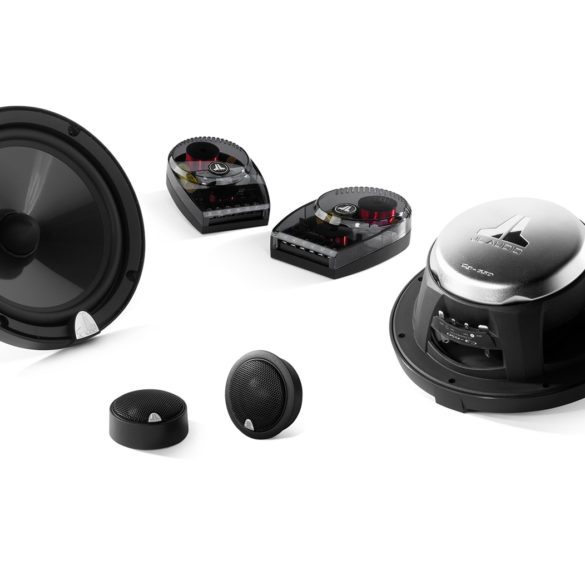
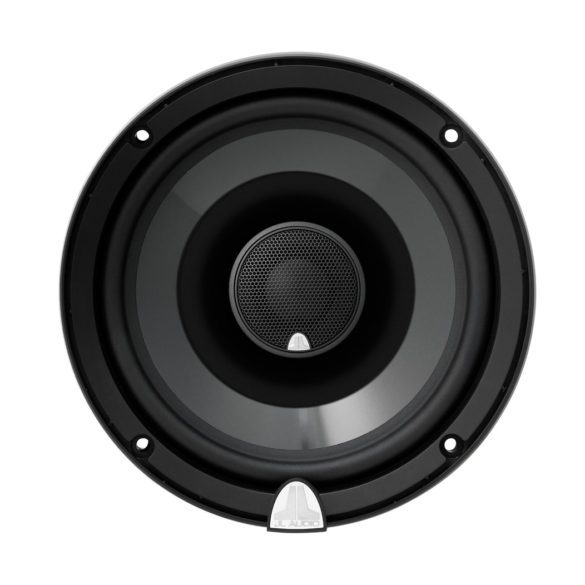
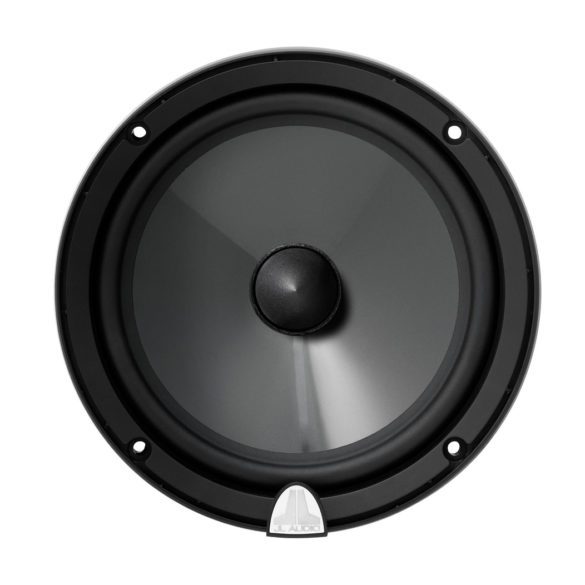
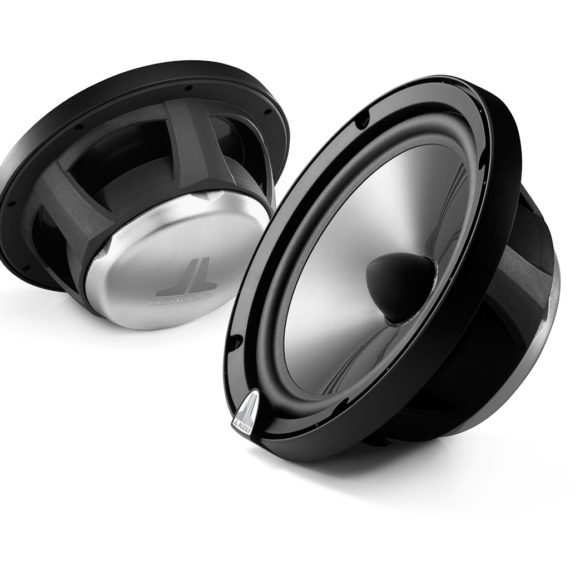
JL Audio C3-650
Latest Prices
JL Audio C3-650 Review
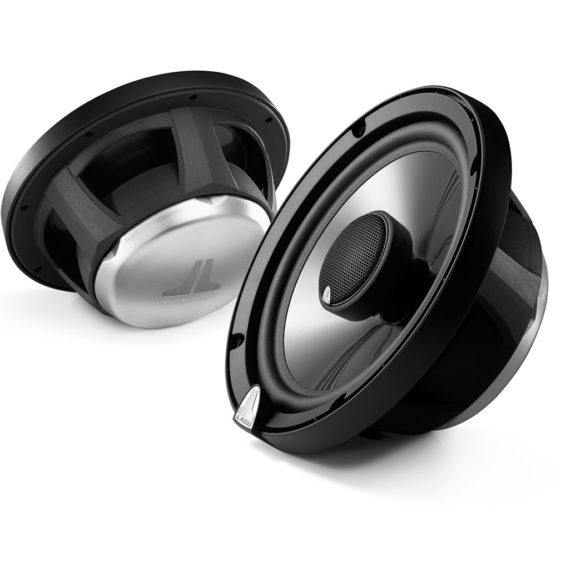
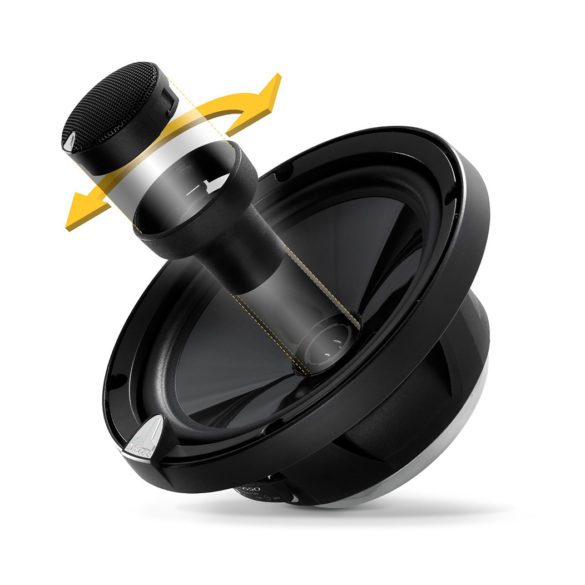
JL’s C3 is the “have it both ways” pick: run it as a coax today, convert to true components tomorrow. I like it for tricky doors where a separate tweeter is a pain now but part of the plan later. The silk-dome tweeter is smooth, and JL’s DMA motor control keeps the woofer composed at higher levels. I walk through the convertible hardware on my C3-650 page, and if you decide to go full component later, check my component speaker guide for staging tips.
Woofer Design
Mica-injected polypropylene keeps cone breakup low. The mid-bass is tight, not bloated—especially after door treatment.
Optimized Motor
JL’s motor analysis work pays off at volume—these stay clean when you lean on them with 75W RMS per side.
Cooling & Reliability
The vented frame moves air across the coil/spider so you can listen loud without thermal fade on longer drives.
Key Features
| Make | JL Audio |
| Model | C3-650 |
| Size | 6.5″ Component/Coaxial |
| Power (RMS) | 75 watts |
| Power (Peak) | 225 watts |
| Frequency Response | 48 – 25,000 Hz |
| Sensitivity | 90 dB |
Reasons to Buy
- Convertible: easy coax now, true components later
- Silk-dome highs are refined and adjustable
- Low distortion and excellent build quality
Reasons Not to Buy
- Pricier than fixed coaxials
- Best results with a proper amp and tune
Best 6 1/2 Inch Speaker for Volume
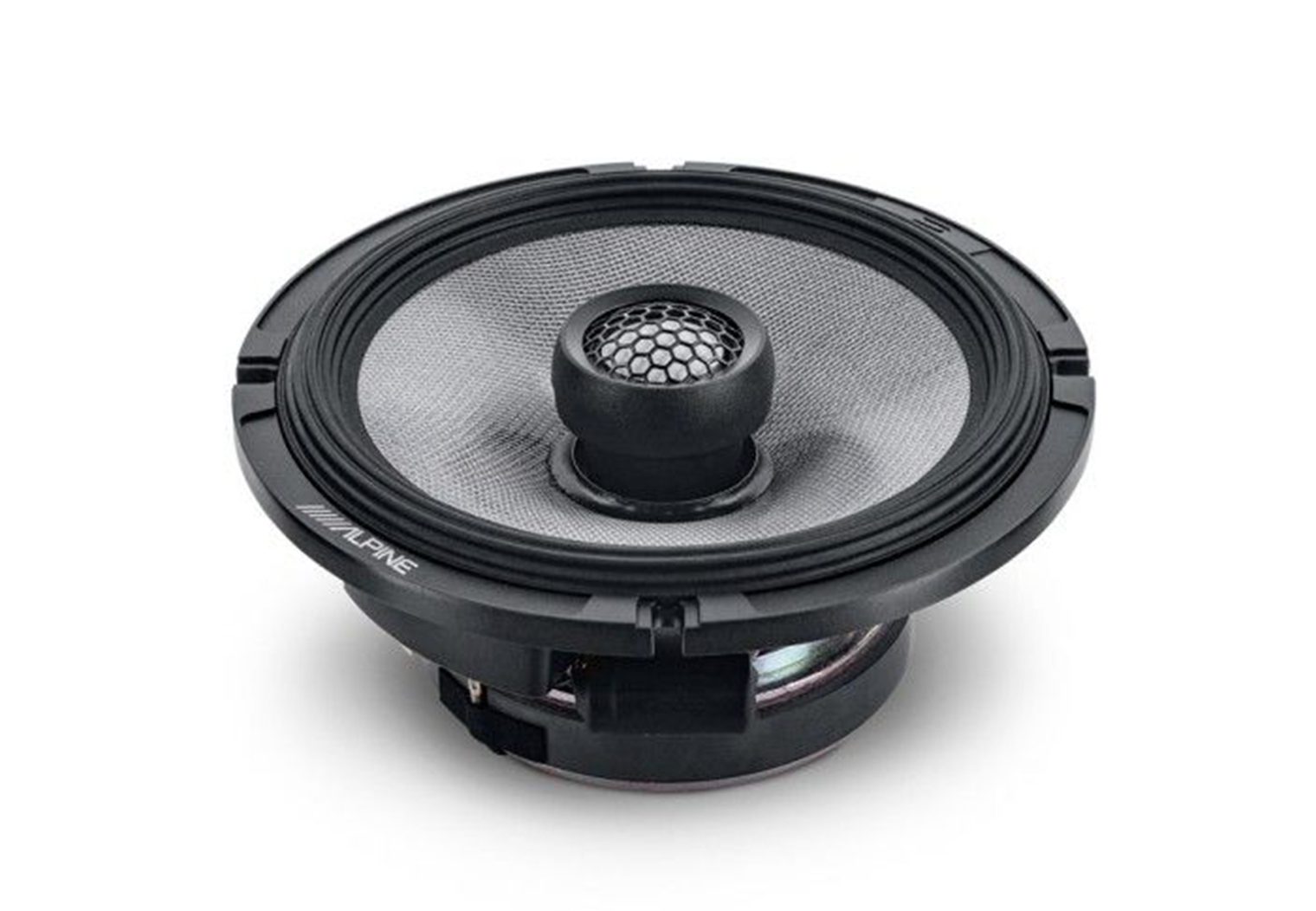
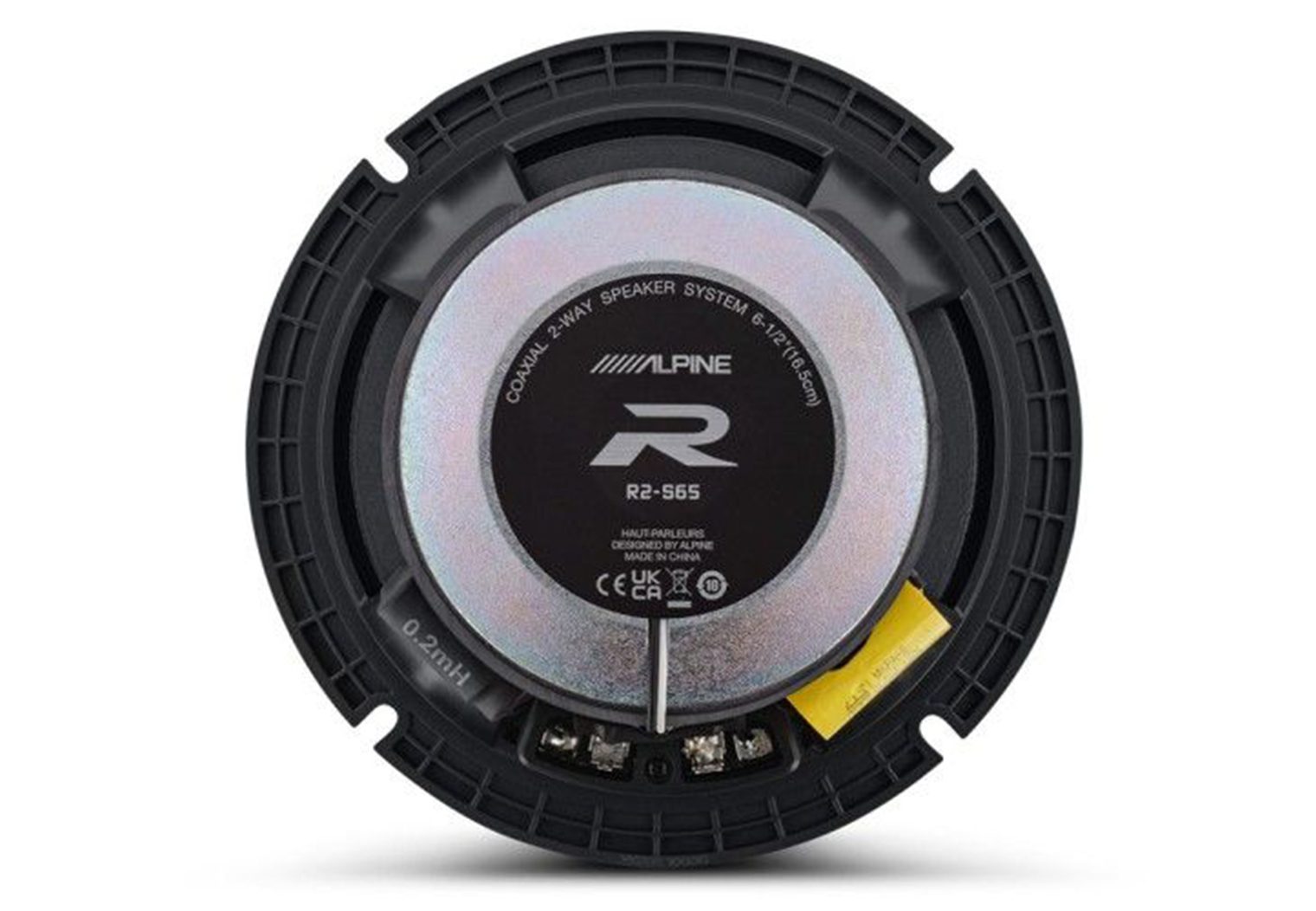
Alpine R2-S65
Latest Prices
Alpine R2-S65 Review
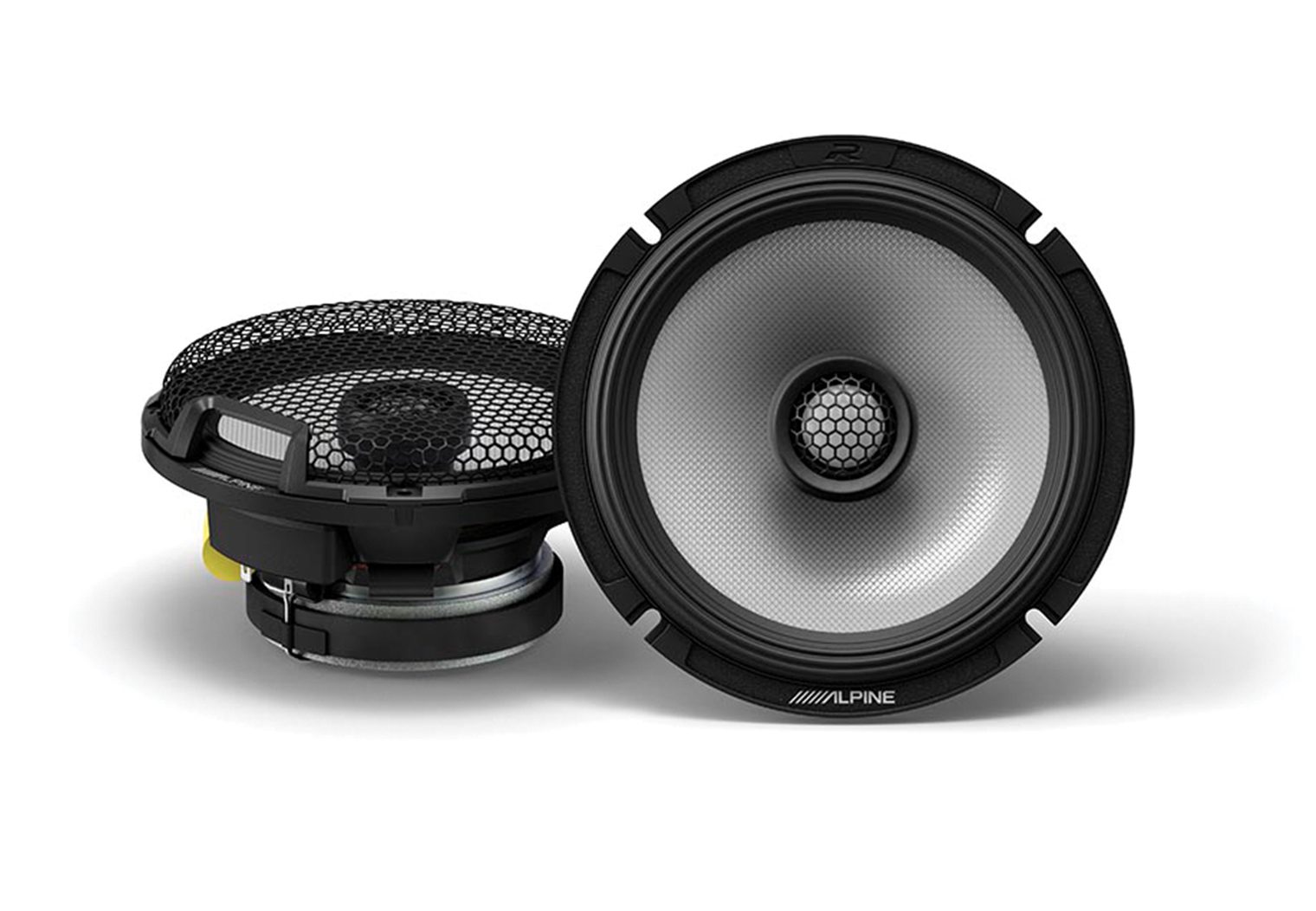
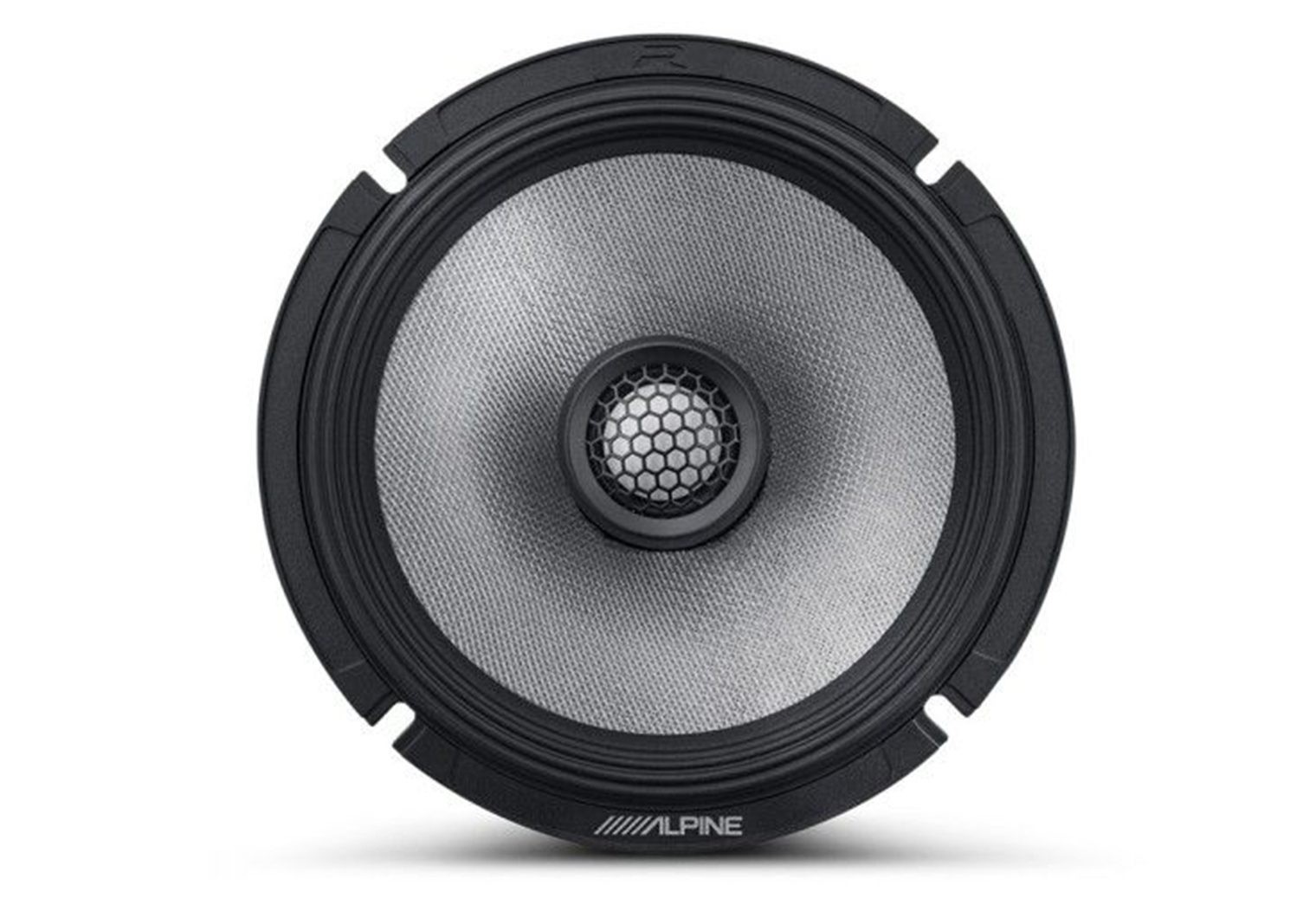
Alpine’s latest R-Series leans into high-res playback and serious output. In my installs these are the most “authoritative” coaxials here—dense mid-bass with energetic (but not harsh) top end. If you’ve got clean 75–100W RMS per channel and want big sound from doors, they deliver.
CFRP Woofer Cone & Magnesium Tweeter
The carbon-fiber reinforced polymer cone is strong and light to curb flex. The magnesium dome tweeter adds air without getting splashy. Set a sensible HPF (I start around 60–80 Hz) and they’ll dig impressively low for a 6.5″.
H.A.M.R. Surround
Alpine’s multi-roll surround allows real excursion, which is why these feel “substantial” in the lower mids compared to most coaxials.
Power & System Matching
They can run on a strong head unit, but to unlock their potential, add a quality four-channel from my amp roundup and follow the gain-setting steps. Deadening pays off noticeably here.
Key Features
| Make | Alpine |
| Model | R2-S65 |
| Size | 6.5″ Coaxial |
| Power (RMS) | 100 watts |
| Power (Peak) | 300 watts |
| Frequency Response | 65 – 40,000 Hz |
| Sensitivity | 88 dB |
Reasons to Buy
- Huge, confident mid-bass and dynamic output
- High-res-friendly top end with strong detail
Reasons Not to Buy
- Can sound a touch thick if you underpower or skip deadening
- Not my pick for pure head-unit power
Best 6.5″ Coaxial Speaker for Factory Upgrades
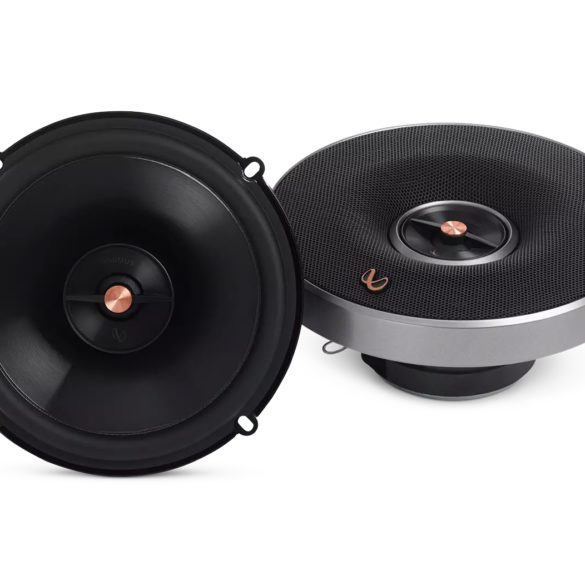
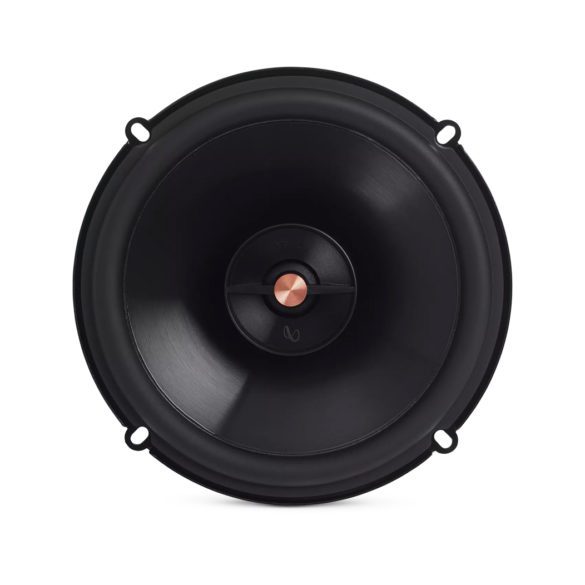
Infinity PR6512is
Latest Prices
Infinity PR6512is Review
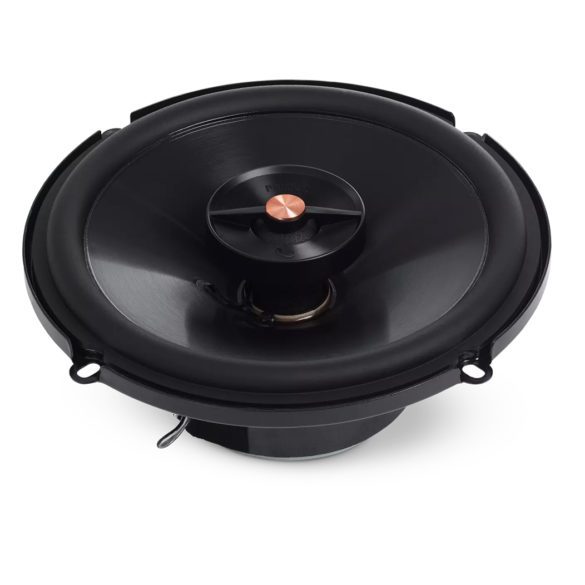
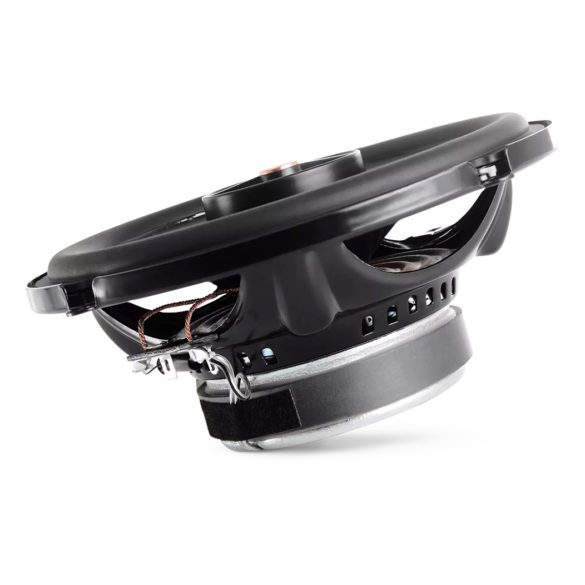
My go-to factory upgrade. These stay lively on stock power thanks to Infinity’s low nominal impedance (~2.7 Ω at the driver), and they scale with an amp later. They’re inexpensive, easy to fit, and sound far better than most OEM “premium” badges. I’ve got more photos and notes on my PR6512is page.
Plus One+ Woofer Design
Infinity pushes cone area to the edge of the basket to gain surface area, which you hear as fuller mid-bass without extra power.
Edge-Driven Tweeter
Textile dome with an edge-driven motor keeps highs smooth and consistent at volume—no splashy sharpness.
True 4-Ω System Load
Measured ~2.7 Ω at the speaker typically nets ~4 Ω at the radio once you include factory wiring resistance. Translation: louder on less power.
Key Features
| Make | Infinity |
| Model | PR6512is |
| Size | 6.5″ Coaxial |
| Power (RMS) | 55 watts |
| Power (Peak) | 165 watts |
| Frequency Response | 53 – 20,000 Hz |
| Sensitivity | 88 dB |
Reasons to Buy
- Excellent factory replacement on head-unit power
- Fuller mid-bass than most budget coaxials
- Great value and broad fitment
Reasons Not to Buy
- Top-end detail isn’t at the level of higher-tier sets
- Will still benefit from an amp and basic deadening
Best 6 1/2″ Coaxial Speaker for Bass
Rockford Fosgate Power T1675
Latest Prices
Rockford Fosgate T1675 Quick Review
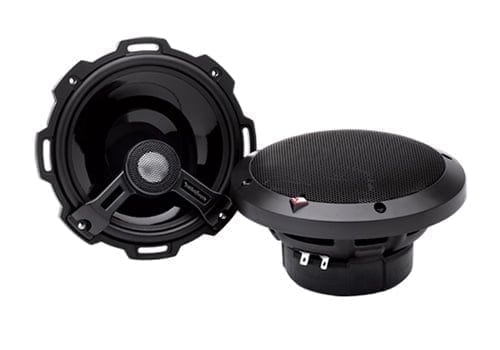
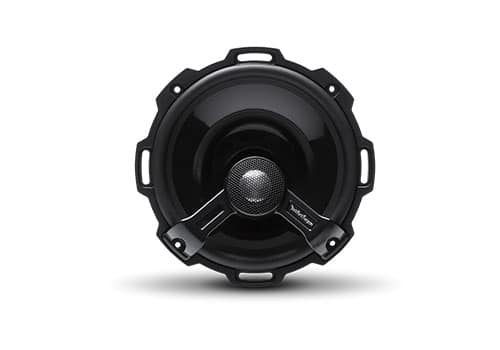
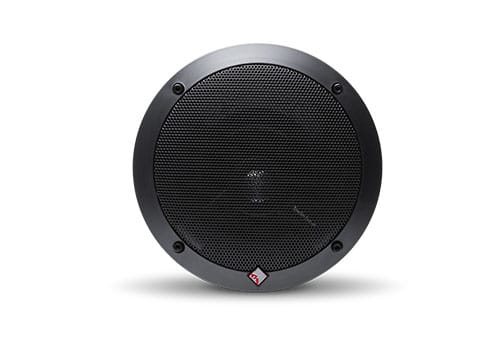
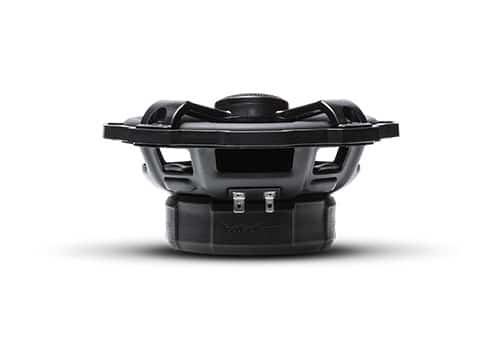
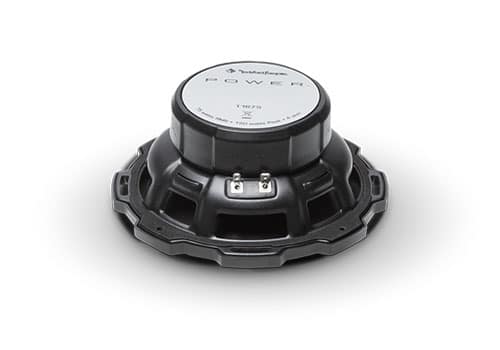
If you want punch, this is the set I reach for. The T1675 is an oversized 6.5″ that still fits most 6.5″ openings, giving you extra cone area for kick-drum weight and bass guitar body. They’re voiced a little more forward, which works great in trucks and SUVs.
On paper they’re rated to 140W peak with 88 dB sensitivity; in practice they shine on a clean 60–80W RMS. I’ve used them as a “factory-plus” option that still scales if you add an amp later. If bass presence is priority one and you want to keep your install simple, put these on the short list.
| Make | Infinity |
| Model | PR6512is |
| Size | 6.5″ Coaxial |
| Power (RMS) | 55 watts |
| Power (Peak) | 165 watts |
| Frequency Response | 53 – 20,000 Hz |
| Sensitivity | 88 dB |
Reasons to Buy
- Meaty mid-bass and energetic presentation
- Oversized cone fits many 6.5″ locations
Reasons Not to Buy
- Really benefits from external amplification
- Physically larger than most 6.5″ speakers—check depth/clearance
Best 6 1/2 Inch Coaxial Speaker Under $100
Polk Audio DB652
Latest Prices
Polk Audio DB652 Quick Review
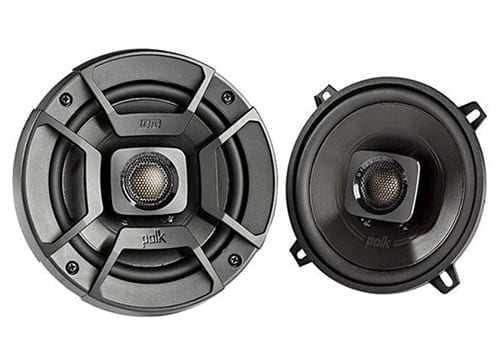
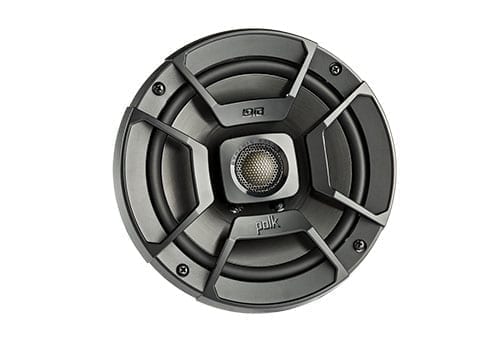
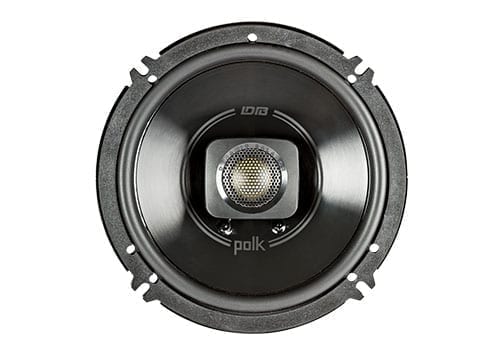
The budget hero. DB652s are affordable, efficient and tougher than most in this price—great for daily drivers, boats and powersports thanks to their water-resistant design. Off head-unit power they get louder than you expect and sound clean doing it.
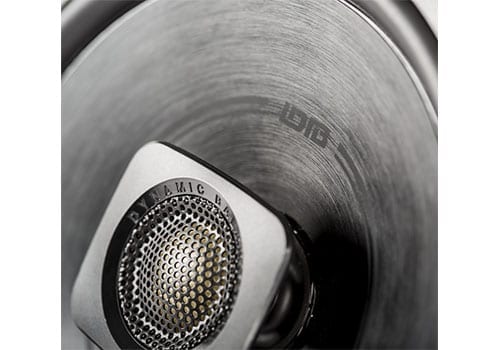
Poly/mica cones and pivoting silk/poly domes keep the signature smooth, with useful tweeter aim in off-axis factory locations. If you need a wallet-friendly and marine-rated option that still sounds legitimately good, these are the ones. I’ve compared them against other entry sets across several installs in my main Best Car Speakers guide.
| Make | Polk Audio |
| Model | PR6512is |
| Size | 6.5″ Coaxial |
| Power (RMS) | 100 watts |
| Power (Peak) | 300 watts |
| Frequency Response | 40 – 22,000 Hz |
| Sensitivity | 92 dB |
Reasons to Buy
- Water-resistant & marine-rated at a great price
- Efficient on factory head-unit power
- Pivoting tweeters help with off-axis stock locations
Reasons Not to Buy
- Limited top-end finesse versus higher-tier sets
- Not a “SQ build” centerpiece—meant for reliable, clean upgrade
FAQ
Do I need an amplifier for these coaxials?
You don’t need one for Infinity or Polk, but every set here improves with clean external power. If you plan to add an amp, target the speaker’s RMS rating and follow my quick tuning steps.
What crossover settings should I start with?
A safe starting point is a high-pass at 60–80 Hz (12–24 dB/oct). If your doors are untreated or you play loud, lean toward 80 Hz. Adjust by ear to balance mid-bass and cone control.
Should I deaden my doors?
Yes—especially with Focal, JL and Alpine. A little deadening tightens bass, reduces resonance and lets your mids breathe.